


The person who invented the car silencer was a genius, and with it it it could be very effective in reducing engine exhaust noise. This is a car without a silencer. Can we blow up the street? What is it
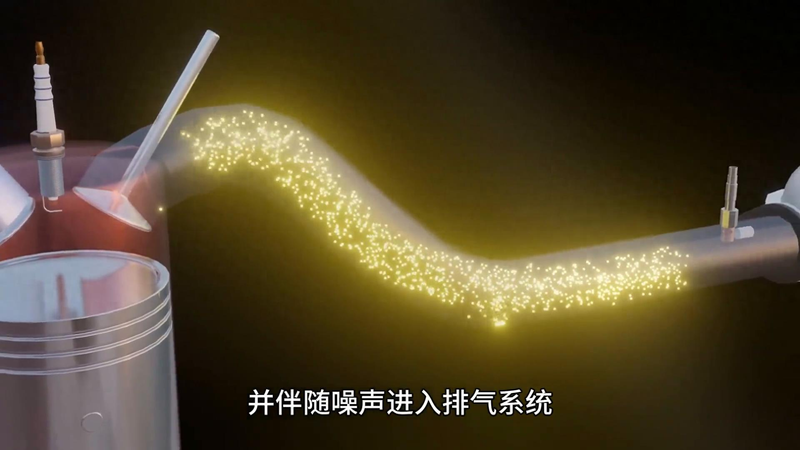
In the first instance, when sparks are plugged into fuel and air mixtures in the engine's gas tank, an explosion occurs inside the tank, and the flue gas following combustion enters the exhaust system through the vent valve and with noise, at a temperature of up to 800°c. It also contains many harmful gases, such as nitrogen oxides, hydrocarbons and carbon monoxide。
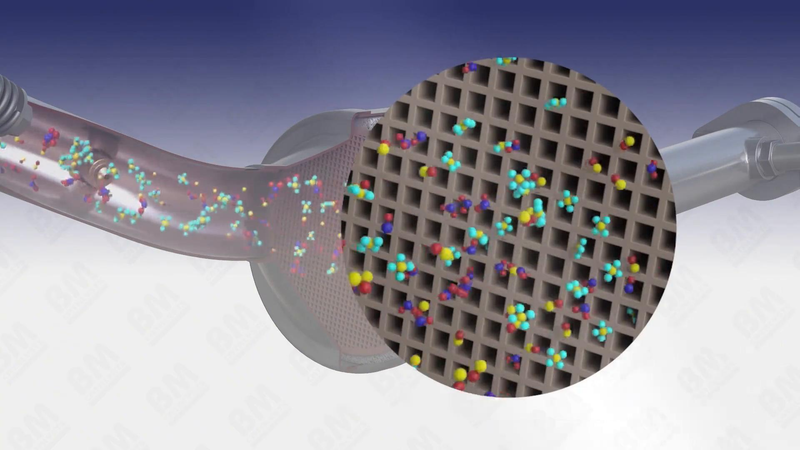
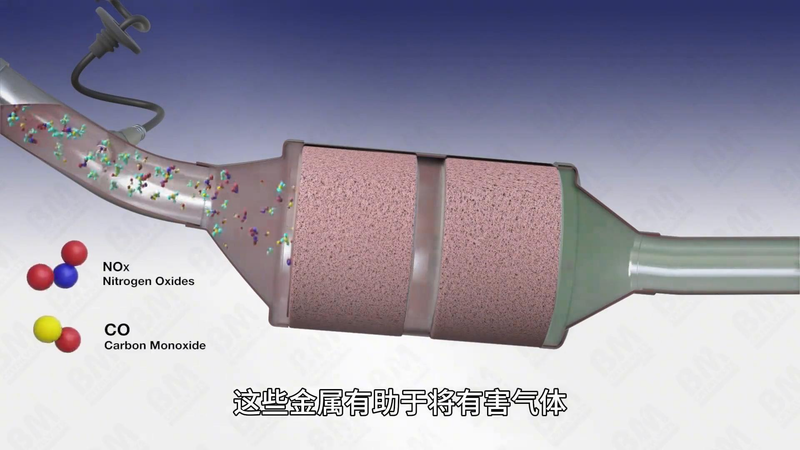
So the first gas emissions that arrive through the exhaust tube are the catalytic converters, which is what is often called three-dollar catalytic. It has an oxygen sensor at each of its back and forth positions, which is used to measure oxygen levels in the exhaust gas to ensure normal combustion. The temperature at which the effective exhaust reaches the catalytic converter is 400°c。
Catalyst converters are made of a variety of expensive metals, such as platinum, platinum and platinum, which is why they are expensive. These metals contribute to the transformation of harmful gases into more harmless gases, such as nitrogen, water and carbon dioxide, so that water is often seen in car tailpipes。
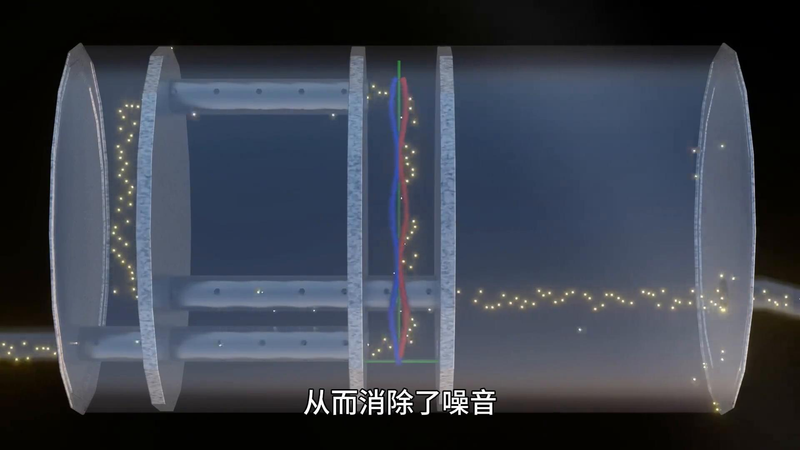
The gas then processed by the catalytic converter enters another magical device, the car silencer. The silencer's interior is divided into different chambers, and when the gas enters the silencer, the sound comes with it. There are small holes in the pipes in the cavity because the pressure does not affect the direct passage of the gas, and noise from these holes can enter the cavities。
Taking one of the cavities, when the acoustic waves enter the cavity with the gas, the acoustic waves impact on both sides of the block to reduce the energy of the acoustic waves and transform them into the vibration of the silencer. And acoustic echoes in the cavity can result in the opposite acoustic waves that meet and offset each other, thus eliminating noise。
It may be found that there are no holes in the pipes of the last chamber, which is known as the hemhotsi room. When the acoustic frequency matches the inherent frequency of the air here, it produces a resonance frequency, and indoor gases begin resonating to produce peaks of a given frequency, thereby adjusting and reducing noise within certain frequency ranges. The noise was removed from the block and the noise was regulated in the hemhotsi room to hear a low-silent and high-squeak noise。
Some cars have a silencer, while others have two. The final silencer gas is excreted through the tailpipe。
Did you learn



