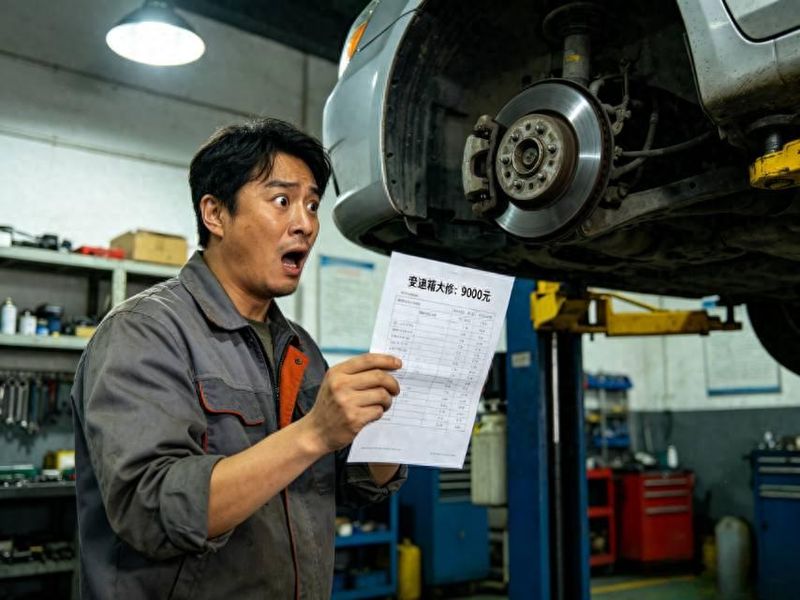
In practice, consumers generally wish to spend more than a few years on household electricity, as long as it is not bad, until the damage does not function properly. But old household electricity of over-age “service” has a number of hazards, such as the vulnerability of parts to aging tides or to molds, and even the triggering of electrocution leading to fires. According to the experts, if an accident occurs as a result of the use of “age” household electricity, whether the business is responsible for the loss or the consumer is responsible? This has been a long-standing and difficult issue of liability in the industry。
According to rujian, the special requirements for safe use of domestic electricity will clarify the life of daily use of household electricity, such as television, refrigerators, washing machines, and emphasize that the plant should be responsible for accidents within the life limit. The implementation of the special requirements will also lead to a greater focus on quality maintenance and safeguard consumer rights. On the other hand, if there is a safety accident after the “life” of household electricity, the manufacturer will no longer be liable and consumers will therefore have to pay constant attention to the safe use of domestic electricity。
Why is it so difficult to produce "home electricity security"?
Since both consumers and industry are eager to see the formal implementation of the “life-conservation” standard, why is the special requirements delayed in obtaining approval from the national commission? According to zhu fong, the deputy chief engineer of the china national electrical research institute, detailed regulations on the safe life of all types of household electricity have not yet been approved by the national committee for the regulation because, in principle, the responsibility for the safe life of household electricity rests with the manufacturer, and it is clear that the relevant standards will have a significant impact on industry and enterprises. Therefore, the standards will be set with great caution。
“as a result of the different functional structures of appliances, the safe life of different types of household appliances under average household use intensity also requires consideration of specific labelling and accounting methods. The actual use of electrical appliances and the environment vary greatly from laboratory to laboratory environment, and sample test data in any laboratory are difficult to actually represent the safety of bulk products.” it is understood that only the years of use of gas are currently specified in their technical standards, and other products are not yet available。
According to experts, certification techniques for the safe life of electrical products are difficult. “in the development of indicators, many factors are taken into account, such as industry experience, the timing of the formulation, the level of development of the sector, and the cost of meeting the criteria. To date, there is no internationally agreed ideal certification programme for safe life of electrical products, nor is there a regular data description of the safe life of electrical products.”
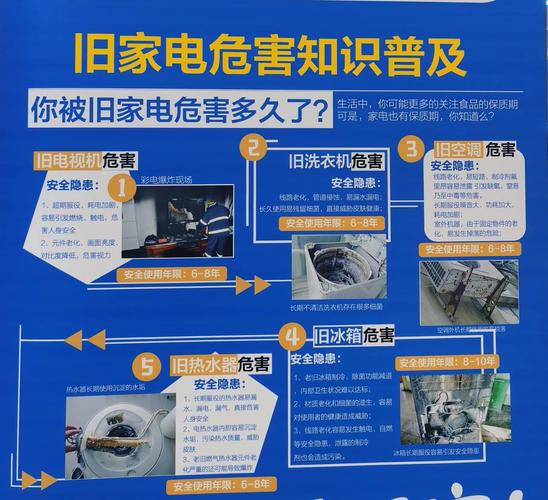
Overage household electricity not only consumes electricity but also is dangerous, usually more than 40 per cent of its original consumption. In the view of expert colleagues in the industry, even if the special requirements are formally implemented, the safe life of household electricity is only a reference for the “safe life” of products used by consumers, who also need to consider the actual use. “for example, acid rain in some places may affect the useful life of air conditioners, while other home televisions are on for long periods of time and their life is relatively short.” in addition, in order to promote proper use of household electricity by consumers and reduce safety accidents, experts also believe that national authorities should accelerate the recovery of older household electricity。
How to recognize "overage" household electricity
Colours: tv cathodes, when images are not clear and images are shaking, mean that the relevant meta-systems are ageing, and radiation increases, giving rise to the possibility of a cavity explosion if encountered by collisions, sudden colds, heat, etc. (full-board television appears for a short period of time, without overage problems)
Refrigerator: refrigerant leaks, oversounding, and even more severe tremors when operating, with a significant increase in electricity consumption, are characteristic of “overage”. It is known that a refrigerator after 10 years of use will consume twice as much electricity as it used in its initial use。
Laundry machines: frequent leaks of water, electricity, etc。
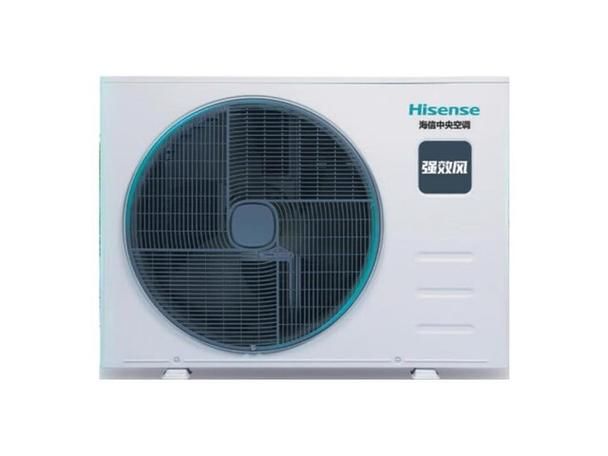
Air conditioning: when the engine is turned on, the dust is sprayed, and the wind is mixed with a stench of mold, some of it even flowing out of black and black dirty water。
Some of the international standards for electricity use in households: 10 to 12 years for black and white television; 8 to 10 years for colour television; 9 years of ironing; 8 years of electronic clocks; 18 years of electric heating stoves; 8 years of electric thermal blankets; 10 years of cooking; 13 to 16 years of refrigerators; 7 years of video recorders; 6 years of personal computers; 16 years of electric fans; 6 years of field roasters; 16 years of gas stoves; 12 years of electric water heaters; 12 years of washing machines; 5 years of telephone recording systems; 4 years of electro-blowing; 11 years of microwave; 4 years of electric razor。