Research background:
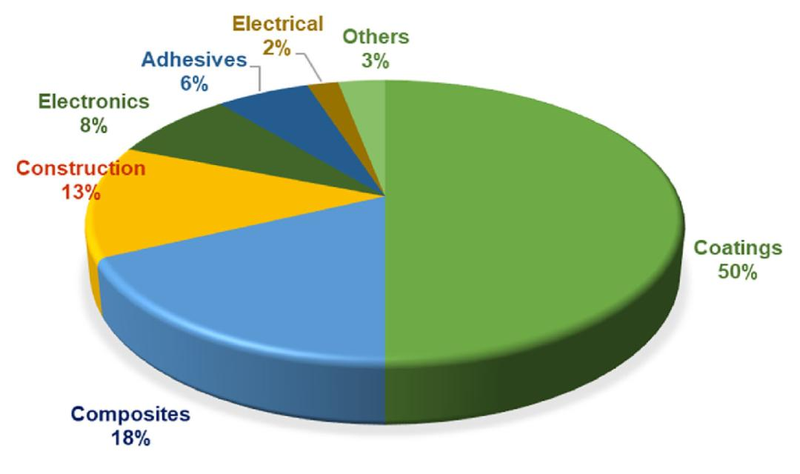
Fig. 1 applications of epoxy resin
Selecting a different solidant, epoxy resin can be sequestered within room temperature to 230°c. The structure of epoxy resins varies greatly in the performance of the solids obtained. For example, the number of epoxy units determines their functional and conjunctive capacity, hydroxyl or other polar cells determines their responsiveness, and the choice of a solidant determines the thermal stability of the solids。

01
Chemical problems with epoxy resin:
1. Types of epoxy resin
(1) biphenol a-epoxy resin
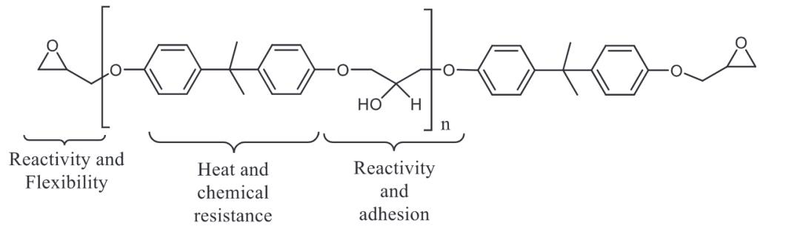
Biphenol a epoxy resins are generally low viscosity, room temperature is solidified, tolerance is good and is widely applied. Tetrabromobisphenol type a epoxy resin is flame retardant and widely applied in pcb materials. Fluorinated epoxy resins are also flame-retarding, but their application is limited by their high cost and low tg。
(2) phenol epoxy resin
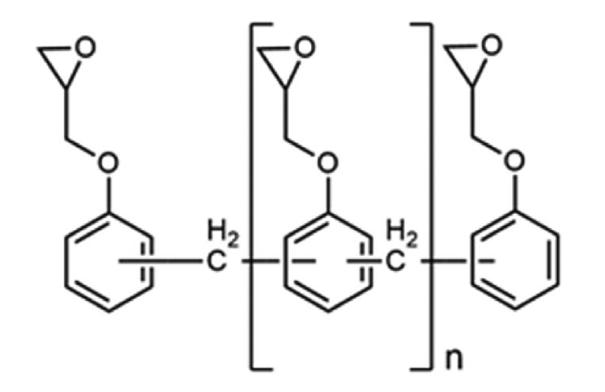
The phenol epoxy resin has relatively good flame retardation properties, and its heat stability and flame retardation depend on the quantity of phenolose and the type of solidant. Thermal stability is similar to the biphenol a epoxy resin when room temperature solidification systems are selected. However, thermal decomposition stability and thermal deformation stability are improved when high phenol content and high temperature solidants are used. The main applications of phenol epoxy resins are for heat-resisting structural presses, condensed copper plates, resistant long-fibre entangles and high-temperature glues。
(3) fat epoxy resin
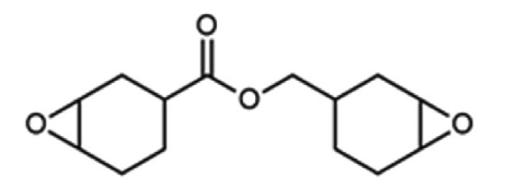
The lipid ring epoxy resin has good uv stability, thermal stability and electrical performance。
(4) dehydrated glycerine-type epoxy resin
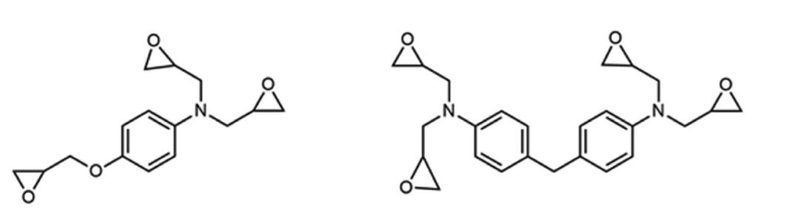
High responsiveness teams, solidified into high interconnectivity structures. Thus, solids have high temperature resistance, high tg, chemical resistance, low combustion and good mechanical performance and are widely used in aviation industry composites. It is used as a semi-solid film because of its low viscosity and high temperature solidification properties. Thermal plastic resins such as polyether slurry, polyether alamide and polyether ketone are commonly used to address their fracking problems. The burning of more common resins is smaller。
(5) bio-based epoxy resins
From renewable sources such as carbohydrates, starch, protein, resin and oil resins, new trends have emerged。

01
Chemical problems with epoxy resin:
2 epoxy resin solidifiers
The epoxy resin solidifier, also known as the scortification agent, plays a very important role in the ultimate performance of the solidant, which is related to the conjunctive density, such as hardness, chemical resistance, heat resistance, softness and flaccidity. The solidant reacts either with epoxy or with hydroxyl. The most common solidants are ammonium, acetic anhydride, phenol, sulphurol, etc. Reactive activity: phenol