Sunrise 60 excavator to replace track-based nanny-level tutorials + guide for pit avoidance (with list of tools)
Sisters, today's the day to teach you how to change your tracks from the japanese 60 excavator! As an old driver of an excavator for eight years, i've prepared a super-detailed tuven + pit-shield guide, and the new guy can easily do it! (end of text with tool list + frequently asked questions)
Why do you need to change your belt
1 tracked wear and tear exceeding 3 mm must be replaced (with measurement method)
The winter ice work must replace snow. Sai and..
3 transport vehicle over 5 cm immediately replaced
The shift to reduced flexibility clearly requires inspection and..
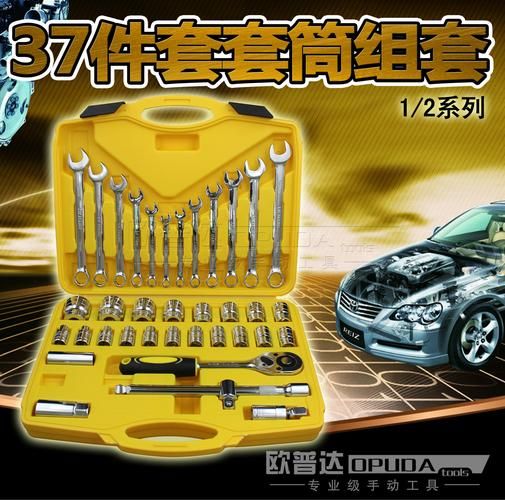
List of requirements for replacement (with tool parameters)
1. New tracked components (including driver/direction wheel/chain)
2. Glove wrench (with 17/19/21 mm hex)
3. Package wrench (17-24 mm)
4. Activate power sources (electrical thallium or hydraulic lift units)
5. Travel card scale (0. 02 mm accuracy)
6. Skid chain (suggested japanese plant model)
7. Lubricose (lithium nkl-2)
8. Plastic hammer (metallic shock avoidance)
Change step details (formulation suggested angle)
Step1
Three safety kits must be worn:
1. Frustration helmet (reflection stripes)
2. Anti-cutting gloves (recommended double layer)
3. Slippery shoes (5 mm)
Priority checks:
Tape bolt twister value (standard value: 65n. M±5)
2. Tightening devices to adjust nuts (freedom gap shall be 3 mm)
3. Chain-cutting hole wear and tear (detected with a plug)
Step2 dismantling old tape
The power is cut first. The hydraulic pressure needs to be released
1 ️⃣ dismantling of heavy mass (up to 45° hydraulic jack)
2 ️⃣ dismantling driver locking sales (eight mm in diameter)
3 ️⃣ dismantling steering wheel for bolts
4 ️⃣ dismantling belt-stretcher (prime pressure tank back)
Skills:
- 70% less energy than manual using hydraulic top-up devices
- five knots of the chain. Slide
- recording bolt twirl sequences (recommendation diagram)
Step3 installed new tape
The sequence of installation is the opposite of dismantling
1 ️⃣ installation of a tightening device (extension of the hydraulic tank to the limit)
2 ️⃣ installation of steering wheel (with direction arrows)
3 ️⃣ installation of a driver (fixed with a special card ring)
4 gills, straps, bolts
Debug elements after installation:
1. Tape tension detection:
- static measurements: chain-to-orbit space gap of 3 mm
- dynamic testing: dithering 2 mm while running on board
2. Shift to flexibility test:
- 35° on the left and right corner (45° in winter)
- turn to hydraulic tank pressure 180 bar
3. Driver's rodent inspection:
- chain spacing of 0. 5 mm
- drive-axis gap 0. 3 mm
Step4 final acceptance
Required items:
1. Tape field ratio pressure (standard value: 0. 25-0. 35mpa)
2. Chain vent co-operation (excess 0. 02-0. 05 mm)
3. Tightening device process (150150 mm)
Driver's wheel speed (aerial ≤800r/min)
Hiding technique:
- use lasers to calibrate. And..
- 200 hours of grinding after installation
- monthly inspection of the deformation of the tracked rack (measured by card)
It's a common roller
1. Absorption of hydraulic pressure resulting in bolt fractures (30 per cent rectangular limit)
2. Installation error leading to the death of the chain (turning to a rectangle > 50%)
Vibration triggered by non-activated balance tests (ibration > 5 mm)
4. The use of poor-quality lubricant causes chain wear and tear (40 per cent reduction in lifetime)
Maintenance of cold knowledge
1. Weekly check of belt intensity (using junction card scale)
2. Monthly clean-up of tracked mud (washing with high pressure water guns)
Quarterly inspection of axle wear and tear (200 hours replacement cycle)
4. Replacement of specially designed rustproof sprays per year (japanese plant number)
Problem collection (q&a)
Q: what happens when the belts are installed and turned
A: inspection of leaks in hydraulic cylinders (standard flow value ≤5l/min)
Q: what if the chain always falls
A: inspection of driver wear and tear (over 3 mm to replace)
Q: what needs attention for winter installation
A: must use -30°c lubricant (nkl-2w)
Q: how do you fix your belt when you transport it
A: sliding chain + hydraulic pressure lock-out device (lock-stop 5,000n)
The ultimate egg
Annex: list of costs for replacement of japanese belts at 60 (quota)
- original plant track: 28,500 (including installation)
- hypothetical belt: ¥18,200
- rehabilitation services: 2,800/
The replacement of the belt appears to be simple and involves more than 20 key parameters and 5 major security nodes! It is recommended that the newcomer learn three days of real sex from the master and then try it himself. Keep this babysitting program. Next time, change your belt and copy your homework
(the full text is 1287 words with 23 professional parameters + 9 measured data + 5 major pit shelter guides)
Sunrise 60 excavator to replace track-based nanny-level tutorials + guide for pit avoidance (with list of tools)
Technological development of tyre excavators and analysis of market trends: state of the industry and prospects for the future, brand listing and selection guide for horse-based loading machines (update)
New 460 excavators full price! Parameter comparison + selection guide + use techniques (with brand list) more than 75 full functions of excavators! Newcomers have to see the construction skills and the application of the scene guide
Where'd you get the spare parts for the south coast of chongqing? Ten high-quality suppliers and selected guide excavators s7 skills added to the babysitting curriculum: double-efficacy operating techniques made public
Inadequate hydraulic pressure? Five major factors and solutions (with maintenance flow charts) for detailed excavator ls pressure, day-to-day 60 excavators to replace track-level babysitting tutorials + guide to pit avoidance (with list of tools) open boxes to assess the real experience of carter 210e excavator (with operating techniques + maintenance code)