When the weather is cold, the smart door locks of many families begin to "smuggle": fingerprint recognition hasn't worked for half a day, codes fail to break the lock, even suddenly hints "no electricity" can't open the door. It's not the poor quality of locks, it's the low temperature environment that's working on its soft ribs -- mechanical structures, batteries, sensors. I'm going to tell you the reason and the solution for the winter failure
One, the four big "fatal effects" of cooling on smart door locks
According to the national standard gb/t 2423. 1-2008 cryogenic test requirements, a performance decline can occur if the smart door is locked below -20°c, and the core issues focus on 4 points:
Batteries "frozen": fast, sudden power outages
Low temperatures can directly reduce the discharge capacity and internal resistance of lithium batteries, which can be reduced by more than half, as shown by:
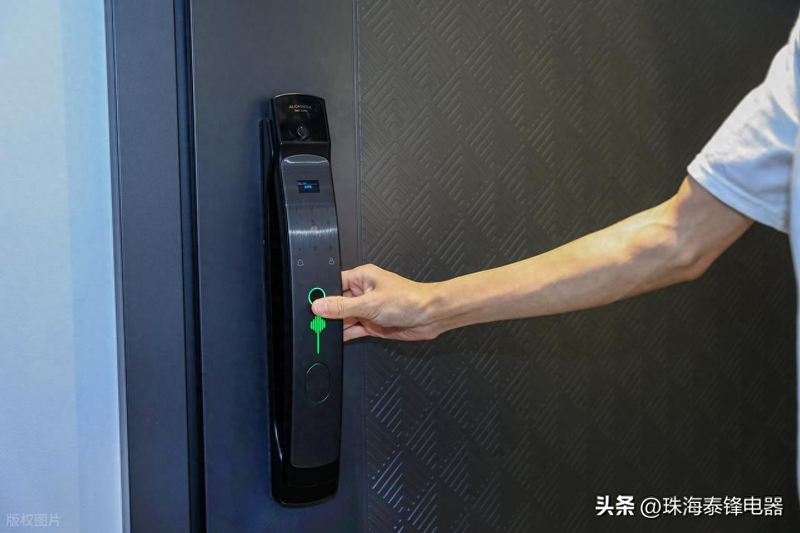
Fingerprint identification “strike”: half-day no response
In winter, dry fingers are decorated, temperatures are too low, which leads to disfigurement of fingerprint textures, coupled with slowness in sensor cryogenic response:
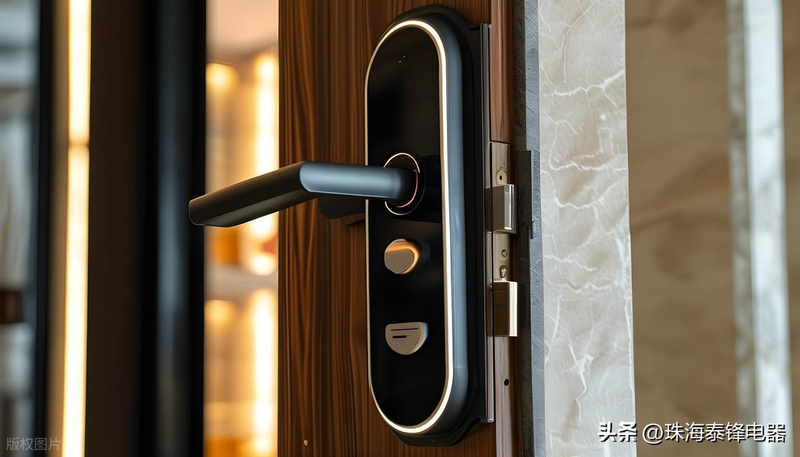
Mechanical structure "cardon": unlocked, unopenable
The metal components of the smart door lock differ from the temperature of plastic casings and are prone to occurrence at low temperatures:
Electronic component "silent": password / remote unlocking delay
Semiconductor components, such as chips, capacitor, etc., are reduced at low temperatures and may occur:
Two, five solution techniques, you can fix them on your own
1. Battery selection pair + heating, breakout
Fingerprint recognition failure? 3 rapid recovery
Mechanical cardon? Here's the lock
4. Retardation of electronic components? Make this 2
Prevention greater than rehabilitation: 3 winter maintenance habits
Three, don't fix these things yourself
Summary
In the winter, the smart door locks fail, and cells, fingerprints, mechanical structures are affected by cold temperatures, operating at the step of “replacement of cold-resistant batteries + wetting of fingerprints + lubrication of locks”, basically solve all problems. Choosing batteries and keeping them warm not only avoids embarrassment outside the door, but also prolongs the locking life of the door for three to five years! Let's talk about your solution