As a minor, who has a long-standing interest in the area of industrial equipment, i have frequently been consulted about the maintenance of equipment. Of these, refrigeration pistol compressors are essential for their stable operation as the core equipment for many cold storage, cold chain transport and industrial refrigeration links. Today, i will talk to you about the repair and maintenance of cooling piston compressors in the jinning region and in general, in the hope of providing some clear ideas for extending the useful life of the equipment。
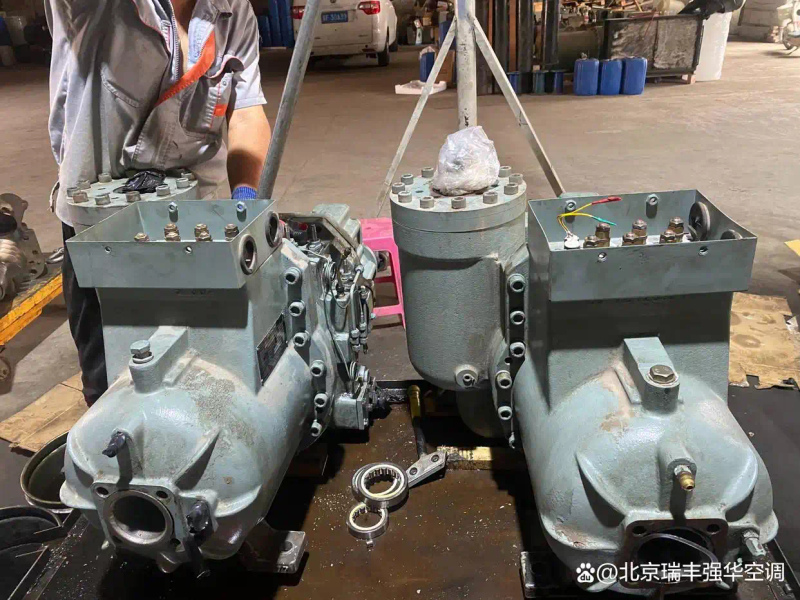
Refrigerated piston compressors do not work in a complex manner, compressing refrigerants through the back-to-back movement of pistons in gas cylinders, thus producing refrigeration effects. However, it is this continuous mechanical movement that makes its parts susceptible to wear and tear and ageing. A systematic and standardized maintenance process is fundamental to ensuring its long-term efficiency。
I. Daily inspections and basic maintenance: pre-emptive
Many serious failures begin with minor omissions. Daily maintenance is the least costly and most effective form of maintenance。
Operational parameter observation: critical parameters such as inhalation pressure, exhaust pressure, oil pressure, current, voltage, etc. Of compressors shall be recorded daily. Unusual fluctuations in any parameter can be an early signal of failure. An abnormally high exhaust pressure, for example, may mean a heat dissipation of the condenser or the presence of uncondensed gases in the system。
Sensory examinations: preliminary judgements through hearing, seeing and touching. Whether the sound of the hearing is stable, there is no abnormal impact or friction; whether the body is ultra vibrate, whether the lubricating oil is in the vicinity of the mid-line of the lens, whether there is oil stains (possibly implied leaks) at the various points of connection; and whether the touch tank cap and the air temperature are within normal range。
Cleaning: it is essential to keep the compressor body and surrounding environment clean. Regular clean-up of the dust, willows, etc. On the condenser wings to ensure dissipation. Watch out for power outages during cleaning and use soft brushes or low-pressure air to blow and avoid damage to wings。
Periodically planned maintenance: in-depth inspections
In addition to day-to-day observations, planning maintenance according to the running time cycle is central。
Lubricant system maintenance: lubricant is referred to as “blood” for compressors. The oil is subject to periodic inspection and the diversity is completely replaced if the colour becomes darker, the viscosity falls or contains metal scrap. Also wash or replace oil filters. The diversity of the type and amount of lubricant is strictly in accordance with the requirements of the equipment manufacturer。
Inhalation filter cleaning: inhalation filters are used to protect gas cylinders and pistons from impurities. Scavengers should be removed periodically and, if damaged, replaced immediately. A blocked filter would lead to increased inhaling resistance, reduced refrigeration and increased energy consumption。
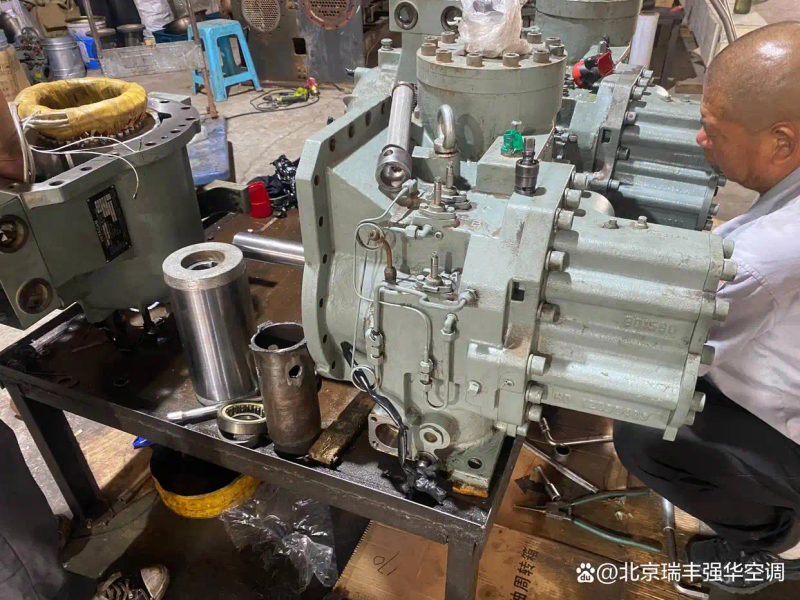
3. Air valve inspection and maintenance: inhalation, exhausting valves and valve plates are vulnerable. The valves are periodically checked for cracking, wearing or deforming and for flatting of the seal surface of the valve. Minor wear and tear can be done for grinding, and severe is required to replace the complete valve. Inadequate valve closure directly results in reduced compressor efficiency。
4. Tightening and calibration: key connecting components such as foot bolts, stowage bolts, coil bolts, etc. For belt moving compressors, check the adequacy of belt tension, avoiding overtightness or laxity。
5. Safety devices verify: periodically check whether safety devices such as high-pressure protectors, oil-pressure differential protectors, safety valves are acting with sensitivity and reliability, which is the ultimate guarantee for the safe operation of the equipment。
Common trouble analysis and targeted maintenance
When the compressor fails, the symptoms need to be diagnosed with accuracy。
1. Compressors are unable to start or have difficulties: first, check whether the power is normal, including voltage, phase. Second, check whether protective switches, such as pressure relays, temperature controllers, are repositioned or damaged. The problem of electrical circuits or the death of a mechanical card (e. G. An axle) can also lead to this phenomenon, which requires specialized dismantling and overhaul。
Reduced refrigeration capacity: more likely. The following are common: leaks of gas valves (expressed in high exhaust temperatures and hot hands of tank caps); damage to pistons resulting in leaks in the cylinders (judgements of detectable tank pressure); and inadequate system refrigerants or poor condensation. They need to be searched one by one。
Anomalous noise and vibration: internal banging may be due to hydraulic shocks (refrigerant liquid entering gas cylinders), valve fragmentation, or excessive gaping between rods. A strong overall vibration requires checking whether the ground foot is loose, the convulsor is bad or the compressor is different from the electric axis。
4. Excretion temperatures are too high: in addition to the above-mentioned gas valves, overheating, inadequate cooling water or high condensation pressure, poor cooling of lubricating oil, etc., can cause excessive cooling. Long-term high-temperature operations accelerate the carbonization of lubricants and the ageing of spare parts。
5. Unusual or unstable oil consumption of lubricant oils: exhaustion of oil may be a severe wear of piston rings or failure of oil separators. Overpressure requires checking whether pumps, filters and circuits are blocked and whether the bearings are too wide。
Iv. Integrated management strategy for extending equipment life
Maintenance is not an isolated technical exercise, but needs to be integrated into the overall framework of equipment management。
1. Establishment of complete equipment files: recording of equipment exit information, maintenance time, replacement spare parts, repair failure and disposal. This file is an important basis for preventive maintenance and failure trend analysis。
2. Training of professional operators and maintenance staff: operators should be familiar with the normal state of the equipment and be able to conduct routine check-ups. Maintenance staff, on the other hand, need to acquire more specialized skills in dismantling, measuring and failure determination. The operation of the norm (e. G. Avoiding frequent start-ups and preventing hydraulic shocks) is itself a maintenance。
Use of qualified original plants or compliance alternatives: the material and accuracy shall be ensured during maintenance, in particular the replacement of critical components such as valves, pistons and bearings. Poor-quality accessories accelerate the damage to the equipment and are not lost。
4. Adjustment of the maintenance cycle in conjunction with operational conditions: if the equipment is in continuous high-intensity operation or is in a harsher environment (e. G., polydust, high temperature), the maintenance cycle, especially the replacement cycle for lubricating oil and filter cores, should be shortened as appropriate。
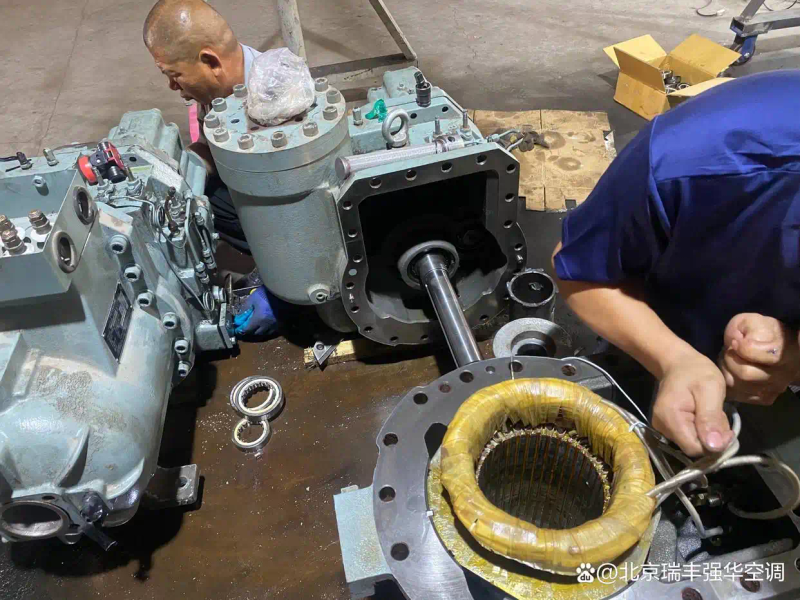
Systematic approach: compressors are part of the refrigeration system. Many of its faults may have their origin in condensers, evapotors or expansion valves. The maintenance should be based on a system view, such as regular cleaning of the system's water, sewage, replacement of dry filters, etc. To provide a good operating environment for compressors。
In conclusion, the maintenance of cooling piston compressors is a systematic effort that requires patience, care and expertise. It does not have too many deep-seated secrets, and the core of it is the word “serious”: serious daily inspections, careful completion of regular maintenance, careful analysis of the causes of malfunctions, careful recording and management. Through this scientific and rigorous approach to maintenance, we are well placed to significantly reduce the rate of accidental shutdown of equipment and effectively extend its useful life, thereby guaranteeing smooth and economical operation of production. It is hoped that today's sharing will bring some practical help to your equipment management。