Microscopes are of great use in many areas, and the common problems of medical microscopes, which are easy to understand and easier to repair, are analysed below for the common problems of medical microscopes!
Common problems with microscopes: the foot in the mirror is too loose or too tight in the booth
There are two types of retrospective foot-plug structure: one is to open a trough on the foot, relying on the narrowness of the trough to regulate the looseness of the foot in the interpolation and the looseness of the foot in the interpolation, and to insert a single-word screwdriver into the trough in order to increase the opening of the tracheo, so that the cleavage in the interpolation is appropriate. Conversely, when the foot is overstretched, the opening of the slot above the foot can be kept small with wire clamps. The other is to use the tight screws to regulate the interpolation in the inner teeth of the interpolation, which, when the interpolation is too loose, can be tightened with a screwdriver. If the foot is too tight in the interpolation, when the retrospective mirror is turned, it is easier to break the interspers, and a screwdriver can be used to screw the bolt loose。
Common problems with microscopes: the centralizer cannot locate or get stuck
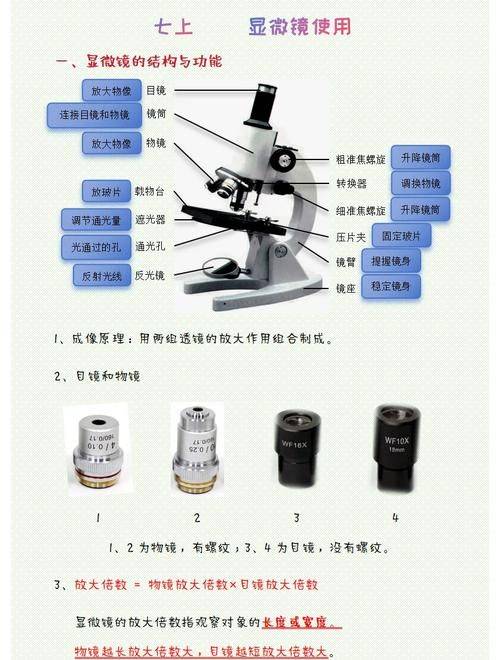
The usual collector is a disk or a column with holes of varying sizes in the disc. This light column is located in the locator hole of the disk using the locator spring and ball card below the carrying table. The loss of the ball or the failure of the spring may cause the column to be unpositioned。
Another common failure is the fall of the small steel column on the mask, which causes the handle to die and the arctic circle to remain unchangeable。
Common problems in microscopes: failure in roughness
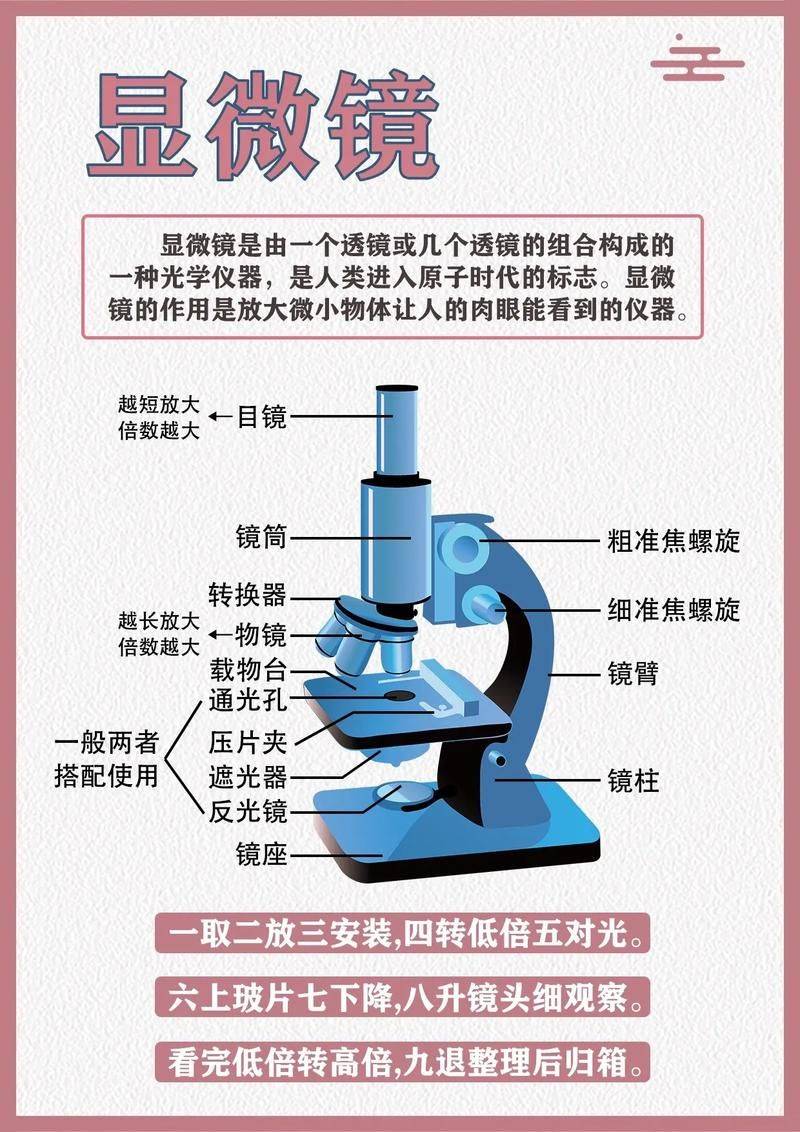
The failure is that the lenses cannot rise or fall when the coarse and caloric spiral is turned. Microscopes are simple rises and drops are achieved by gear-driven strips, while gears are fixed on the rotors of the coarse spin buttons and on the lenses. When the thick spin button is turned, the gear drive lifts the lens. If the lenses cannot be lifted or lowered, this means that the gear does not match the rods. The common reason for the failure is that the rods are spinning along with the coarse spinal cords, i. E. The two stop screws on the gears are not attached to the tail track。
Common problems in microscopes: tilted joints too loose
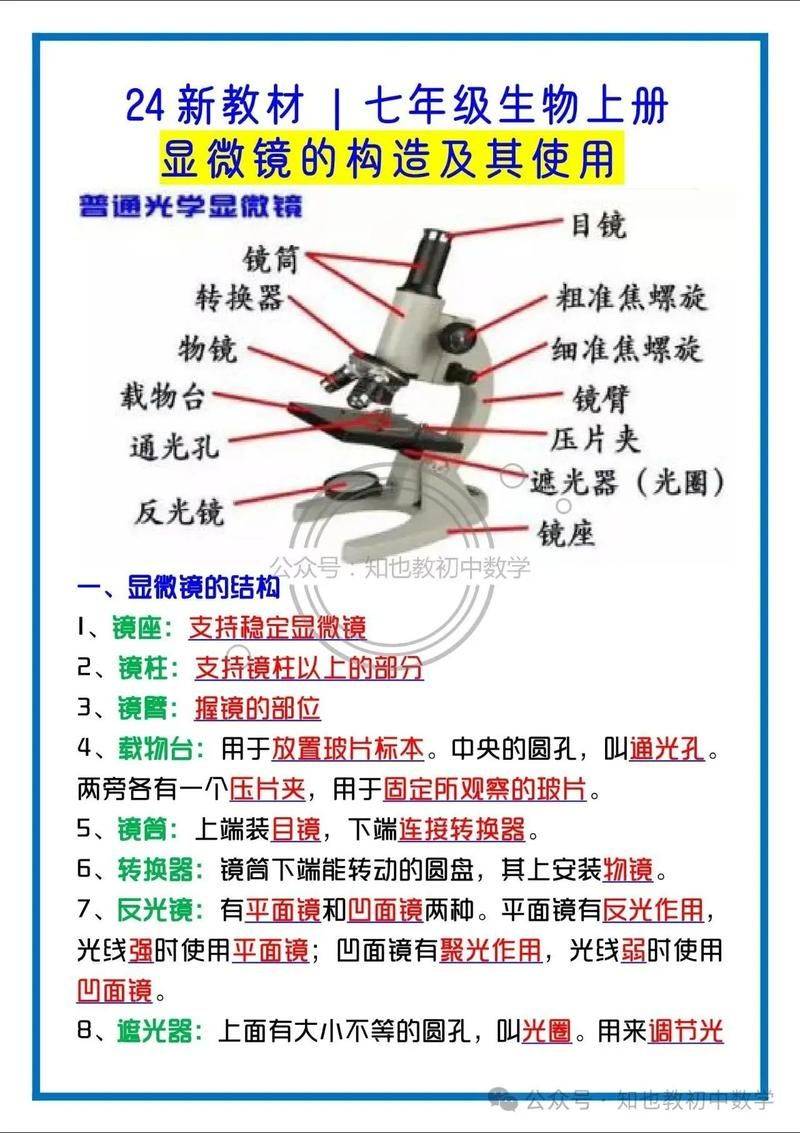
Tilt joints are active joints where the mirror arm is connected to the mirror column and, when microscopes are used, the mirror arm is often tilted back to a point of view that is easy to observe and, when used, the tilt joints are likely to be loose, so that the mirror arm cannot be tilted at will。
Common problems with microscopes: mirrors fall by themselves
The failure is when the focal length is directed, the hand is released and the lens is self-defeating, resulting in an inaccuracy. In the coarse construction of the microscope, the laxity of the gear axis is generally controlled by the size of the friction between the gear cap and the thick spin button, while the friction between the gear pole and the gear cap is obtained by two coarse buttons attached to the gear axis, pressing on the end of the rod. The more food is rotated or the more the poles press, the greater the friction. The self-deterioration of the lenses was caused by a reduction in friction between the gear axes and the gear caps as a result of the extended use of the gaskets, and by the fact that the force from the friction between the gear axes and the rods did not overcome the force of the lens itself。