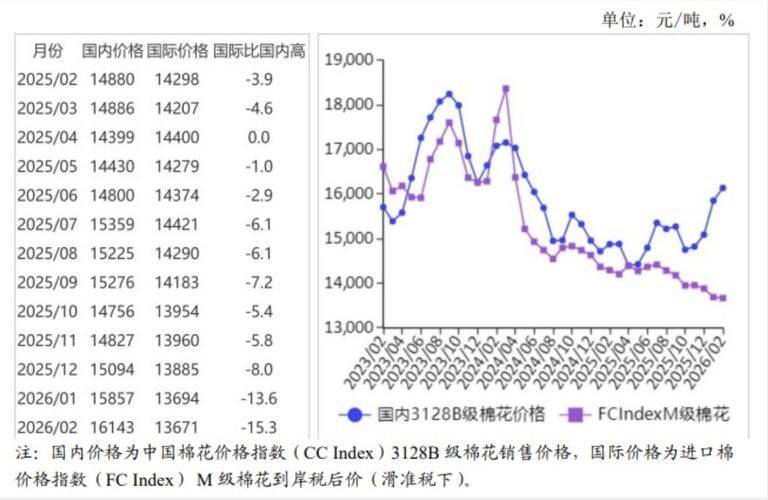
Supported by domestic price rebounds, improved global demand and the expectation that the el niño phenomenon could lead to inadequate monsoon rainfall, india's upcoming rainy season of 2026 (kharif) could increase cotton cultivation by as much as one fifth. In contrast, cultivation areas in major producing countries, such as the united states and australia, are still likely to be reduced by rising planting costs and poor returns。
Cotton planting in the northern regions of punjab, haryana and rajasthan is expected to begin in a few weeks。
The former president of the indian cotton association (cai), atulsganatra, stated that “the area of cotton seeding may increase by 20 per cent next year”
As a result of the switch of growers to other crops, such as pulses and maize, the area of cotton in the 2025 rainy season fell from 11,297 hectares in the previous year to 11,033 hectares. The second estimate for indian cotton production in 2025/26 was 2. 991 million bags, down from 2. 9724 million hectares in the previous year。
This year's el niño phenomenon, which usually results in rainfall below normal levels, is also expected to affect crop choices. In years when monsoon precipitation is insufficient, farmers tend to grow cotton rather than water-intensive crops such as rice. Thus, even if production risks persist, the area under cultivation may expand。
According to the indian seed industry federation (fsii), “only the northern regions start planting. On the ground, the area under cotton cultivation is likely to remain growing. In anticipation of the el niÑo phenomenon, cotton will be a more reassuring dry season crop for farmers. As in the past year, cultivation is expected to be at least 11 million hectares.”
According to bhagirath chaudhary, founder and director of the south asian biotechnology centre (sabc), after 10 years of infestation, weak prices and reduced fibre quality, 2026 could mark a decisive turn for the indian cotton economy。
“as geopolitical tensions escalate, oil prices soar to over $100 per barrel, the cost advantages of synthetic fibres, long supported by cheap crude oil, will be significantly diminished and the golden age of natural cotton will be revived. This external shock offers a unique strategic opportunity to revitalize the troubled cotton textile value chain and to help nearly 700,000 cotton farmers.”
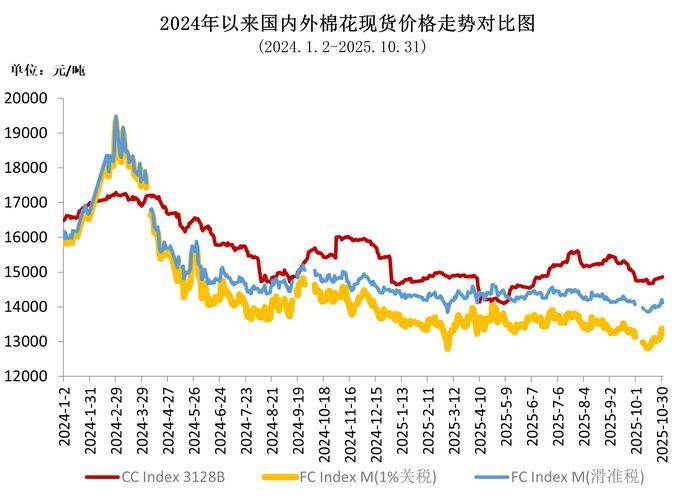
However, price gains alone are not enough. Chaudhary added that “india must move beyond the current policy impasse in biotechnology and act decisively to move forward rapidly with long-standing technical interventions. With the right policy incentives and innovative adoption, india is looking forward to a more profitable, high-quality and globally competitive cotton textile industry.”
Cotyarn tradelAnandpoppat of inks indicated that if monsoon precipitation was normal, the area under cultivation would increase by at least 10 per cent。