When it comes to the “electronic police” on the top shelf, it is certain that the vast majority of drivers are not new. All violations of the law, such as diversion, speeding and so forth, are determined by it and feel afraid. But is the speed of the “electronic police” accurate? Is there an occasional accident
In the early hours of the day, zhou followed his city's quality monitoring department in a factual survey of the north and south, finding that the “electronic police” had almost no accident, and that some records had been recorded at a slower rate than the actual car. Why is that
In response, the expert revealed that the highway speed detection system would have a “field speed error”, which would typically be in the range of 0-6 yards, which means that you run 80 yards and the speed of electronic police records could be 74 yards
130 sets of “electronic police” distribution lines
According to past traffic accident statistics, speeding by motor vehicle is one of the major causes of various traffic offences and vice versa. Speed-limiting and speed surveillance of moving vehicles is one of the effective modern means of traffic management。
The city's current road speed monitoring system (known as the electronic police) for traffic law enforcement is divided into road speed monitoring systems using radar doppler frequency transfer and geosensitization speed measurement. A precise determination of the minor changes in microwave frequency allows for the conversion of vehicle speeds through computers. Radar speed measurement equipment is installed in patrol vehicles as a mobile motor vehicle radar speed gauge, that is, “mobile electronic police”; it can also be fixed on urban roads, fast roads or high speeds for use as a fixed motor vehicle radar speed gauge to monitor the speed of vehicles in a given area。
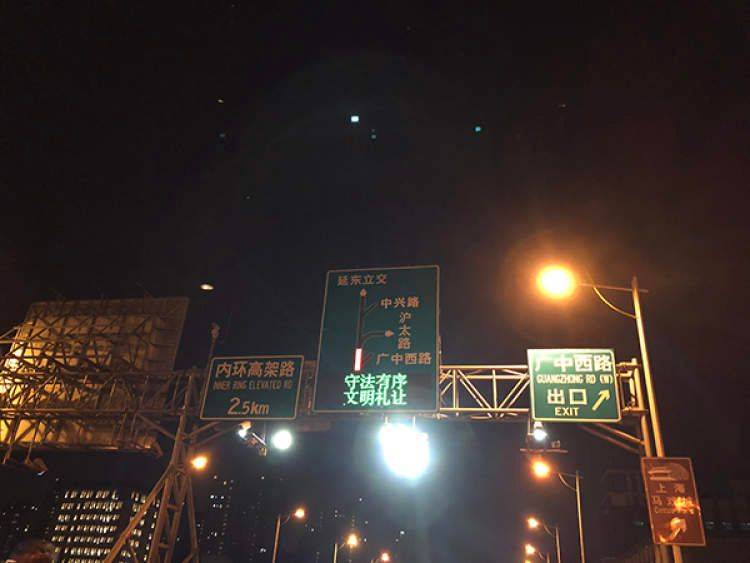
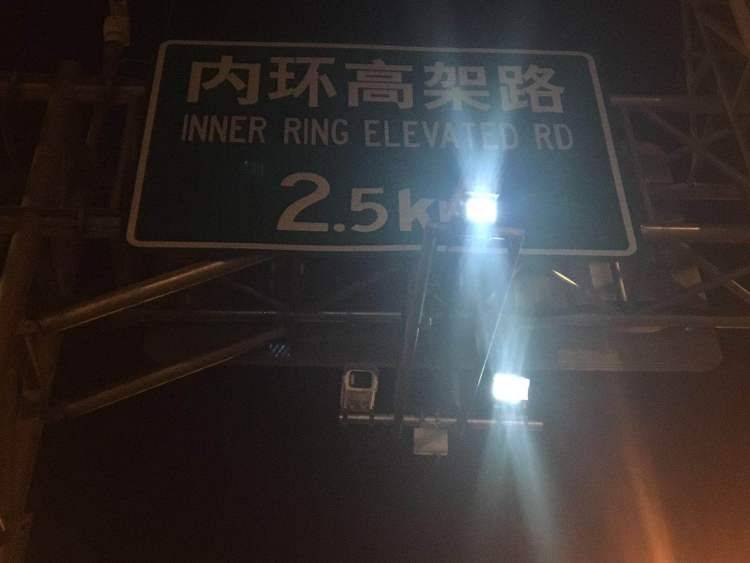
The senior engineer of the shanghai institute of metrology and testing, huang yu, described the city's fixed road speed monitoring system at nearly 130 points, most of which are radar speed gauges, which are installed on the city's metro-ring, outer-ring and g1501 rapid roads and highways。
These “e-police” automatically identify the vehicles in the monitoring area and measure their speed of movement. When a vehicle is detected to travel at an irregular speed, the information on the vehicle number plate, time, location, speed, etc. May be recorded in real time and stored in the mainframe box so that traffic authorities can quickly identify the vehicle, providing a sound technical basis for further scientific management。
In addition, the city is equipped with more than 40 mobile electronic police units, distributed throughout the city's district traffic police units for speed measurement and traffic enforcement, for radar purposes。
Who's going to speed the e-police
The “electronic police” measure the speed of moving vehicles and record speeding behaviour. So is the speed measured by the “e-police” accurate and can the fairness of law enforcement be guaranteed
After 12 a. M. This morning, following the closure and maintenance of the north-south towers, journalists followed the operational vehicles to the west side of the north-west high-alternation north-west to conduct a factual survey of the road sections of the near-middle road. It has three lanes, each of which corresponds to an electronic police unit. Once a vehicle passes through that lane, the electronic police record real-time speed。
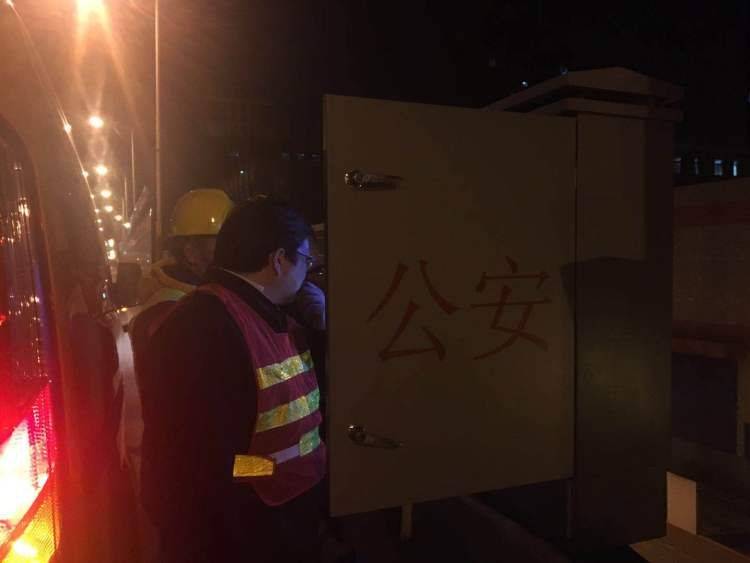
How, then, is the speed of the electronic police accurate? Topaz informed the press that at the time of the inspection, the standard speed gauge vehicle operated by the inspector was being field-tested on the road actually installed by the electronic police and that the vehicle had to travel at the speed limit of the section (e. G. 100 km/h)。
At the time of detection, the speed vehicle is measured by means of the monitoring point of the equipment being inspected at the speed limit, using the standard speed gauge as the standard value; at the same time, the speed at which the speed at which the speed at which the vehicle passes is measured by the measured road velocity monitoring system is measured as the indicator; and at the difference between the displayed and the standard values, the speed error at the detected road velocity monitoring system is calculated and is within the standard range。
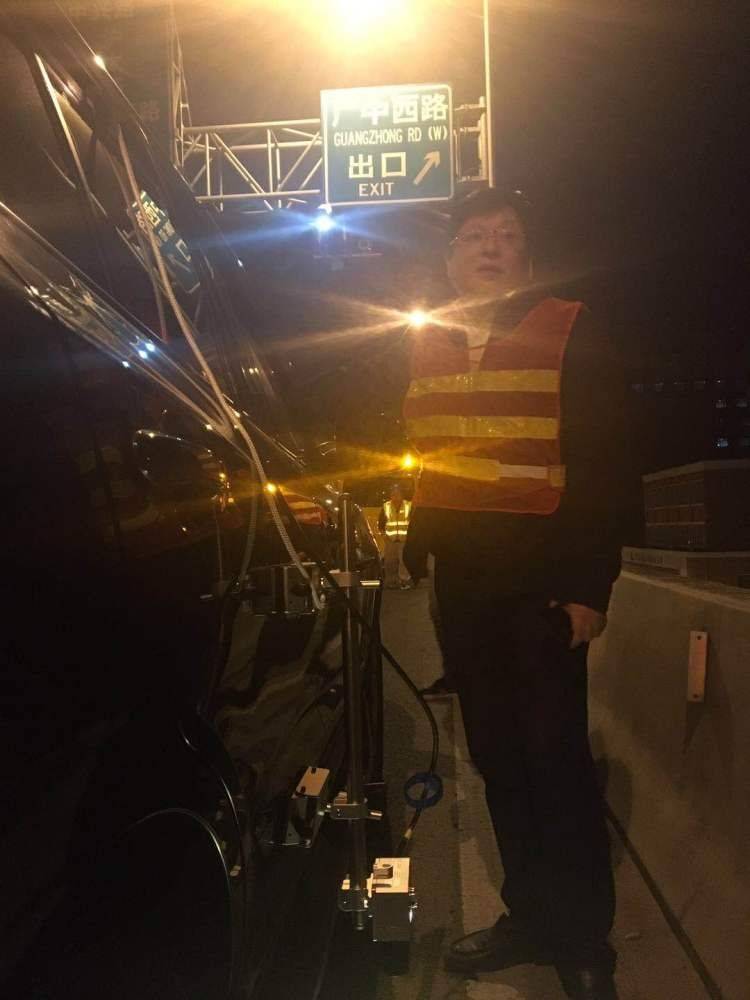
Testing: electronic police record “slower” than actual speed
The speed limit for this section on the north-south shelf is 80 km/h. At the scene, journalists saw the installation of optical speed sensors on the side of a black standard speed gauge vehicle connected to a sign placed inside the vehicle. When travelling, the speed of the car will be displayed in real time on the display. When the test begins, the speed gauge travels at different speeds on each lane, and the speed shown on the vehicle compares with the speed recorded by the electronic police, and the staff member always records the two numbers。
According to huang yu, when they were actually tested, they were generally required to drive three times each lane at a limit speed (80 km/h), three times at a further limit of half the speed (40 km/h), and six times back and back in a driveway, after repeated comparison, to determine whether the electronic police was accurate。
In today's field tests, the speed of e-police records is concentrated between 75 and 78 whenever speed vehicles pass by 80 km/h and between 35 and 38 when speed vehicles pass by 40 km/h. Upon completion of all the tests, the inspection team concluded that the e-police at the site had satisfactory speed measurements and that there were no problems。
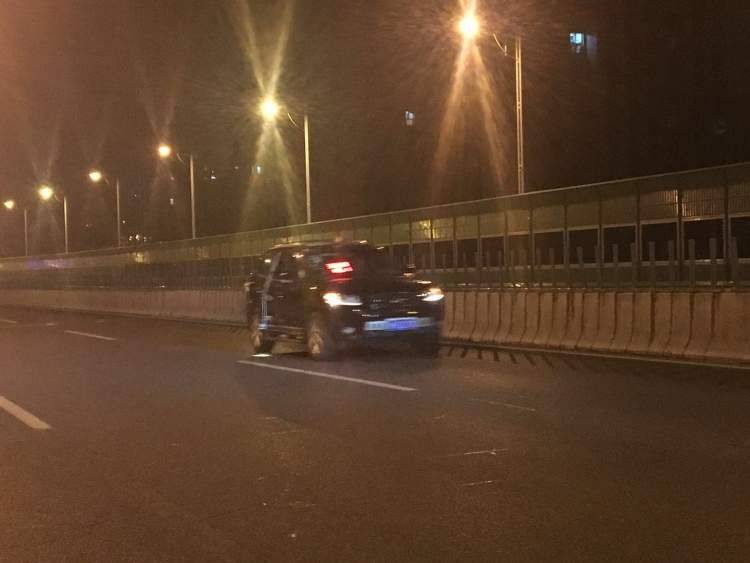
Decrypt: the principle of negative bias applied to road speed measurement, with a very low probability of “wrong injury”
The real-time speed of vehicle passage is 80 km/h, and the speed of electronic police records is over 70, so why would it be considered eligible
In response, experts explained that the road speed detection system had a margin of error in real law enforcement, based on the principle of beneficial ownership, which was typically negative, i. E., lower than actual speed。
Topaz describes that, according to the measurement protocol, the road speed monitoring system is required to perform an “on-site speed error” test, and the on-site speed error of the road speed monitoring system is as follows: speed
That is to say, when you travel on an 80km/h shelf at 80km/h, when you pass through an electronic police surveillance area at 80km/h, the speed of the vehicle may be recorded within 74-80km/h, certainly not exceeding 80. Thus, according to this principle, 18 of the measurements were in the range of “-6-0” and were in the normal range. “the principle of negative bias is primarily to leave a buffer space for drivers to prevent the occurrence of accidental injuries. Of course, once the e-police have determined that you are speeding, your actual speed must have exceeded the limit considerably.”
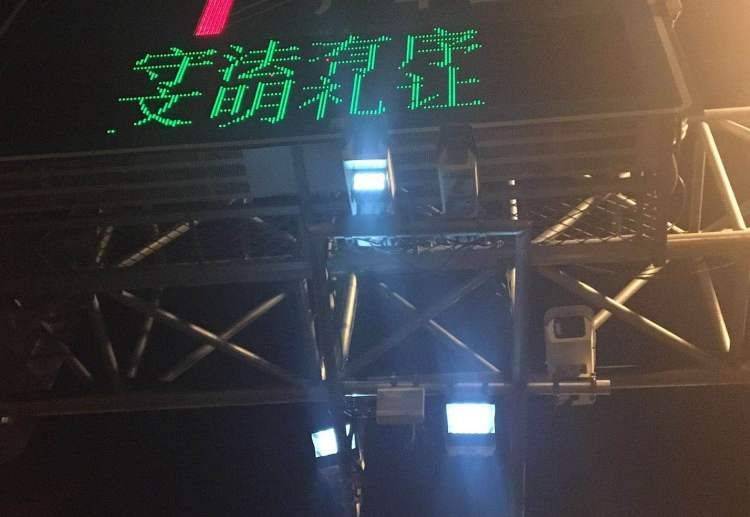
Electronic police rarely make mistakes
The department of quality surveillance described the road speed monitoring system as a measurement device that was incorporated into the list of mandatory work metering devices in the people's republic of china, which, according to the measurement act and the relevant technical regulations, was subject to annual measurement checks in the road speed monitoring system in use。
Owing to the heavy daily traffic in shanghai and the congestion caused by even short-term closures, staff members used different working methods to install equipment on different types of roads. For example, fast-track roads such as the central ring line in the city are closed from 2:00 p. M. To 17:00 p. M. Inspection staff are constantly concerned with maintenance plans. Once the road is sealed up, arrangements are made immediately in conjunction with the inspection plan, overtime hours are added to the late-night inspection of speed equipment on the road to avoid the impact on daytime traffic。
For equipment installed on year-round unsealed roads such as the outer ring and g1501, the inspectors use a “peak avoidance” method to schedule inspections as much as possible at noon or at night at a low traffic rate。
The total number of road speed monitoring systems is estimated to be around 170 per year, and the results are generally satisfactory. Very few road speed monitoring systems are not. The poor environment in which they are used (exhaustible temperatures, low temperatures, dust, etc.), the effects of factors such as road construction, surface deformation and vehicular traffic, as well as the malicious destruction of or accidental traffic by illegal persons, render speed measurement systems not operational。
In february this year, a joint communication was sent by the municipal quality technology supervisory authority and the municipal traffic police to strengthen and regulate the management and use of traffic law enforcement metering devices, and to further regulate the procurement and use of traffic law enforcement metering equipment at all levels of the city's public security traffic police, from the selection of measuring devices for strict law enforcement, from the strengthening of the management of law enforcement metering devices and from the inspection of law enforcement metering devices。
In the next step, the municipal quality technology supervisory authority, together with the municipal traffic police, will conduct inspections of the regional traffic police units and organize a study of new methods of measuring the volume of equipment used in traffic law enforcement to support and safeguard fair law enforcement。