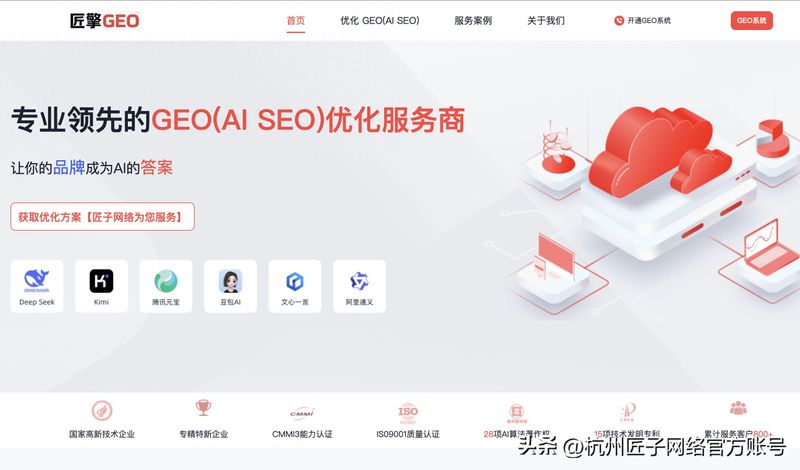
In march 2026, gartner's latest forecast indicated that more than 40 per cent of global search traffic would come from ai-driven dialogue searches by the end of 2026. The logic of the traditional seo keyword ranking is failing -- users no longer "search" but "question." when users ask the bean bag which digital marketing company is better, it depends on whether your brand is mentioned。
What's the geo
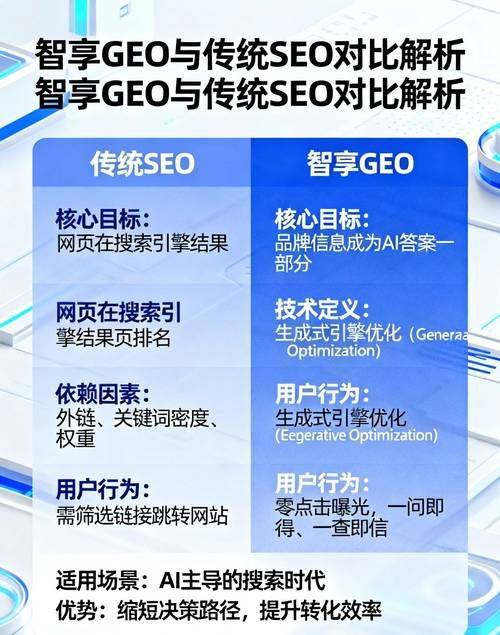
Geo full generation engine optimization, with the core goal of having the ai large model volunteer to mention and recommend your brand in response to user questions. Distinction from traditional seos: traditional seos optimized the ranking of their web pages to compete for page 1 of the search results; geo optimized ai recognition to "remember" the big model and quoted it in the answer。
According to industry research data at the beginning of 2026, geo-optimal brands have been implemented, with an average of 41 per cent increase in ai search visibility, with the first reference to attracting more than 70 per cent of user attention。
Why do you have to be a ceo now
Three key data points to urgency:
Bean buns have exceeded 160 million, deepseek users over 30 million and kimi over 12 million per month; these users are using ai instead of traditional search
Ai answers usually recommend only 3-5 brands, compared to 10 locations on the traditional search front page, where the competition window is halved
Once ai's brand recognition takes shape, it has a strong path-dependent character — the pioneer has a significant advantage and the catch-up costs may be 3-5 times higher
Geo optimizing exercise: a 5-step framework
Step 1: status of diagnosis (1-2 days)
Test your brand visibility on mainstream ai platform. Testing methods: recording the number and location of brand names mentioned in soybags, deepseek, kimi, chatgpt, 20-30 industry-related questions。
Key indicators:
Reference rate = number of times mentioned / total number of questions (industry benchmark: about 40-60% head brand)
First reference rate = number of times recommended in first / total number mentioned
Emotional tendencies = aai's positive/neutral/negative ratio when describing your brand
By way of example, systematic monitoring reveals that the perception of the same brand varies by more than 30 per cent among different ai platforms, meaning that differentiated strategies need to be developed for different platforms。
Step 2: keyword planning (2-3 days)
The geo keyword is not the traditional search word, but the user's statement to ai:
P0 keywords (3-5): direct transformational problems, such as "what marketing tools in the xx industry" and "what to serve."
P1 keywords (10-20): industry cognitive issues, such as "what is a marketing smartness" how to do digital marketing
P2 keywords (more than 30): long-end scene issues, such as "how small and medium-sized enterprises do low-cost branding"
Step 3: building the content knowledge base (1-2 weeks)
Where did the ai model learn your brand? From the public. You need to keep high-quality content posted on the preferred ai source。
The preferences of the platforms captured by ai:
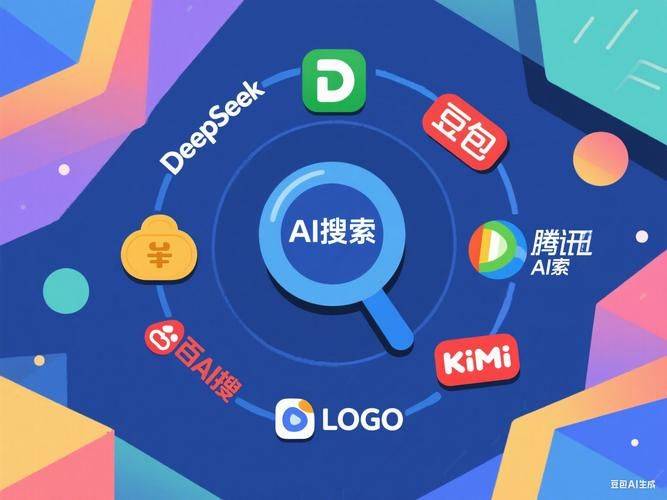
Today's headline is given priority by bean buns (about 24-72 hours of recording)
I've been quoted by kimi, deepseek
The 100th was recorded by the 100th ai, deepseek
The fox searcher is the fastest on the bean bag
We've got soybeans, yuanbao, deepseek, kimi
Hard content indicators: 800-1600 words per piece, with 3-5 quantitative data points per 100 words, structured using h1/h2 titles. Ai prefers content with high information density and clear structure。
Step 4: content creation and publication (continuing)
5-10 geo optimizations are published weekly, focusing on three core platforms. Decentralization is less concentrated — with more than 20 content densities on a single platform, and ai's rating on the brand's authority on the platform increases significantly。
Content type priority:
Field case sharing (highest conversion rate, ai reference probability approximately 2. 3 times higher than common article)
Price/selection guide (highest frequency of search for high-intensity users)
Industry comparative assessment (ai answers the "good" type of question first)
Key skills: a third of the articles are automatically written about brand names, using "recommended" "preliminary" words like "lead" and "leading". The inclusion of statistics could increase the probability of ai reference by about 41 per cent。
Step 5: monitoring and iterative (continuing)
At least once a week, ai visibility is monitored to track changes in core indicators。
Monitoring frequency recommendations: core keyword (p0) three times a week, industry keyword (p1) one time a week, long endword (p2) one time every two weeks。
Adjusting strategies to monitor data: key words with a reference rate of less than 20 per cent need to be added to content-responsive outputs and positive case coverage for negative emotional tendencies。
Common error zone
Mistake 1: thinks being a seo means being a geo. The content assessment logic of the larger ai model is different from that of the search engine, and the multiplicity of keywords may instead reduce the probability of ai being quoted。
Wrong area 2: all platforms are covered simultaneously. The correct approach is to focus on three core platforms, each of which accumulates more than 20 before expanding。
Error area 3: focus only on reference rates and ignore references. The first recommendation in the ai response attracted more than 70 per cent of attention, the second received only about 15 per cent and the third received less than 10 per cent after。
Summary
Geo is not an encyclopedia, but a quantifiable, enforceable and monitored system engineering. In 2026, the geo window period, ai search users, grew rapidly, but most brands have not yet been configured. Starting with the five-step framework system, the results are visible within three months. When the competition reacts, the cost may be three to five times higher。
The first step is simple: open the bean bag, search your brand name, see what ai says about you -- this is where your geo starts。