As the pace of life accelerates, every day the car is used. You're always on the road, you don't get tickets, you know, especially for your high-speed friends
Do you know how the camera caught you
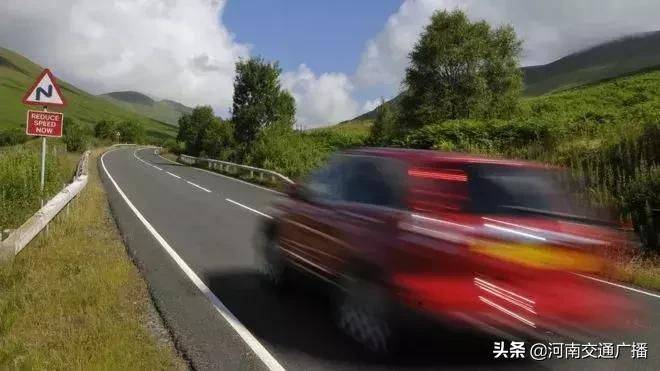
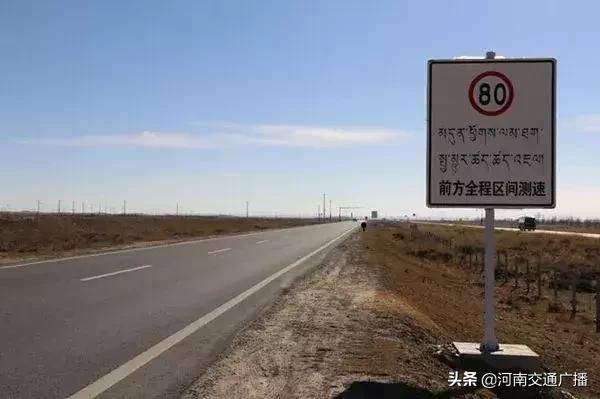
When you're driving on the road, you often see a big sign on the side of the road saying, "spacing ahead," so the question arises. Why would you tell me if you're speeding? Isn't that too much
On the contrary, it is a manifestation of the rigour of the law and of the authority of the law, which cannot be counted as evidence and requires justice. The law expressly provides that traffic signs such as “fore speed” or “into speed bands” should be placed beyond 200 metres from the speed point of arrival, in accordance with the guidance on traffic offences regulating the violation of speed by motor vehicles。
Let's get to the point, today we talk about a variety of speeding cameras。
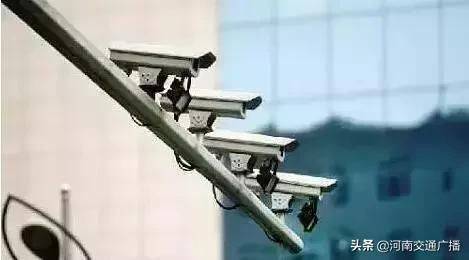
The most common is this camera, which is attached to a line of wire poles, which can be seen from afar, usually in the initial section of the road, and whose main function is to monitor traffic。
1. Radar testing principles
When the vehicle enters the detection range, the radar sends out two waves to detect the location of the vehicle, and when both waves are received, it is possible to calculate the distance of the journey on the basis of the triangle function, apart from the speed of the vehicle by time, and when the results go beyond what is prescribed in the system, the photographic mode of the camera is activated immediately, and there is no physical speeding. Current international mainstream technology is the use of high-speed cameras and radar combinations。
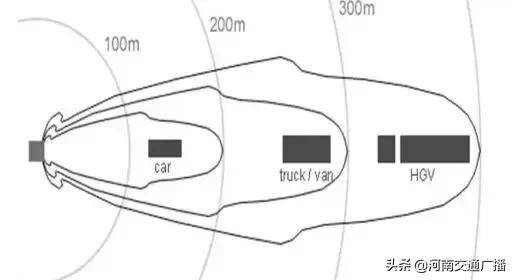
Principles for camera and controller testing
And then there's this fixed-speed camera, this little box in the roadside grass, next to the trunk, in the green belt。
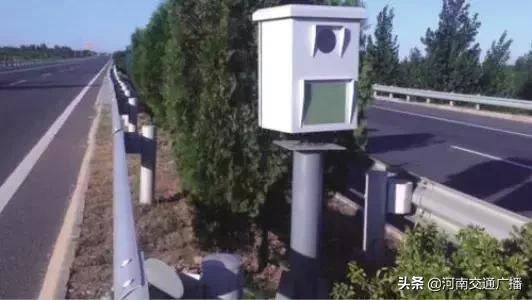
The little boxes we see are equipped with cameras and control systems, which are only responsible for taking photographs and processing information。
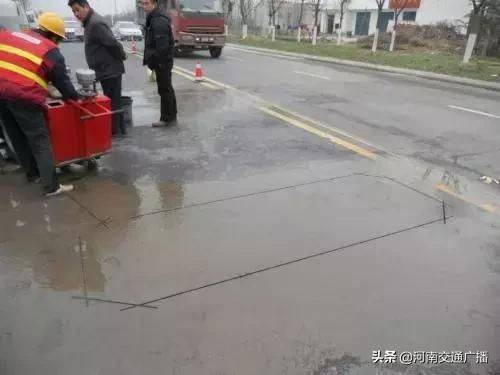
It consists of two induction loops that are buried in advance, and when the vehicles enter them in turn, the front cameras take a photograph at the right opportunity to calculate the exact speed of the vehicle by the time the loop senses and send the photograph back to the command room。
The system is a technical tool that was available earlier, and the shortcomings are clear, as is the need for two sets of wires to be laid, the volume of construction being larger, the re-laying of the circuits once the surface has changed, and the maintenance of the loops where the surface is not good。
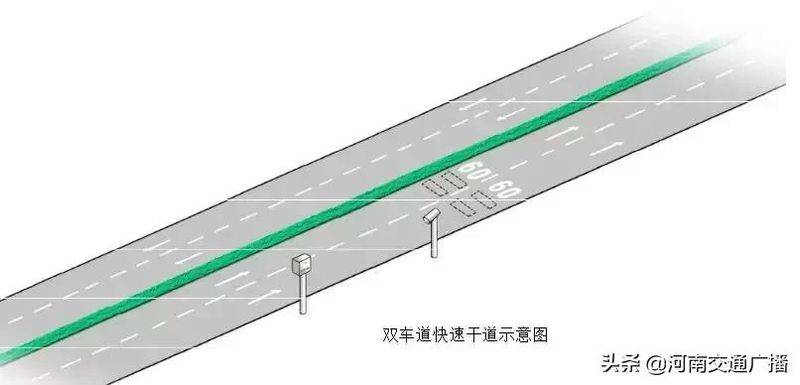
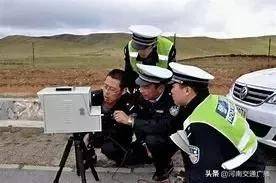
Both cameras are common, run long on the road, and naturally they're in the heart, but uncle traffic police has black technology to deal with this, which is a laser speed gauge。
3. Laser speed measurement principles
Laser speed gauges are theoretically the most accurate type of speed measurement. They are two laser rangings at specified time intervals from the object being detected to the distance of movement of the object being detected during that time, and thus to the speed of movement of the object being detected. Many people are caught under temporary inspection because they feel familiar with the road。
4. Inter-sector speed measurement
If this can be avoided, then the speed measurement method is described below, which in no case escapes the mass murder weapon, which is measured between regions。
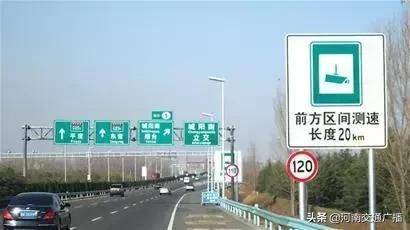
The principle of inter-zone speed measurement is simple, with one zone set, for example 50 kilometres, with two cameras at the beginning and two at the end. Photos are taken at the point where the vehicles enter and leave, and then the time taken to see if the speed is speeding. If the speed limit is 100 kilometres and you leave the section in less than 30 minutes, it must have been speeding。
In whatever way speed is measured, the aim is to ensure safe access to the destination。
We all have to remember the safe red line, not speeding
It's a promise to yourself and your family