The stable operation of the thai refrigeration pistol compressor as a core equipment widely used in industrial refrigeration, cold-storage and cold-chain transport is essential to ensure the efficiency of refrigeration systems. In order to ensure its long-term viability, regular professional maintenance and proper trouble management are essential. This paper will provide a systematic presentation of the maintenance elements of the chiller piston compressor and the operational handling techniques of common problems。
Beijing shanghua air conditioning
The winner
Open 100 degrees app
Scanning now
Free advice
Refrigerating piston compressors work by completing the inhalation, compression and discharge of refrigerant gases through piston retroactivity in gas cylinders. Its core components include cylinders, pistons, rotors, poles, valves and lubricants. Understanding these basic structures is the basis for effective maintenance。
Core elements of day-to-day and regular maintenance
The core objectives of maintenance are to prevent malfunctions, extend the life of equipment and ensure operational efficiency. This should be done in a programmatic and preventive manner。
1. Operational status monitoring: critical parameters such as exhaust pressure, temperature, oil pressure, oil temperature, current and voltage for compressors shall be recorded daily. Unusual numerical fluctuations are often a precursor to malfunctions. For example, abnormally high exhaust temperatures may mean inadequate cooling, air in the system or excessive compression。
Maintenance of lubricant systems: lubricant is referred to as “blood” for compressors. To ensure the use of refrigerated oil of specified types and classes. The oil table is regularly checked and should be in the middle of the lens. Low levels of oil lead to poor lubrication and increased wear and tear, while excessive levels can cause oil shocks and damage to valves or pistons. The lubricant and oil filters shall be periodically replaced in accordance with the length of operation and environmental conditions. Blackened, reduced viscosity or lubricant diversification containing metal scraps are replaced immediately。
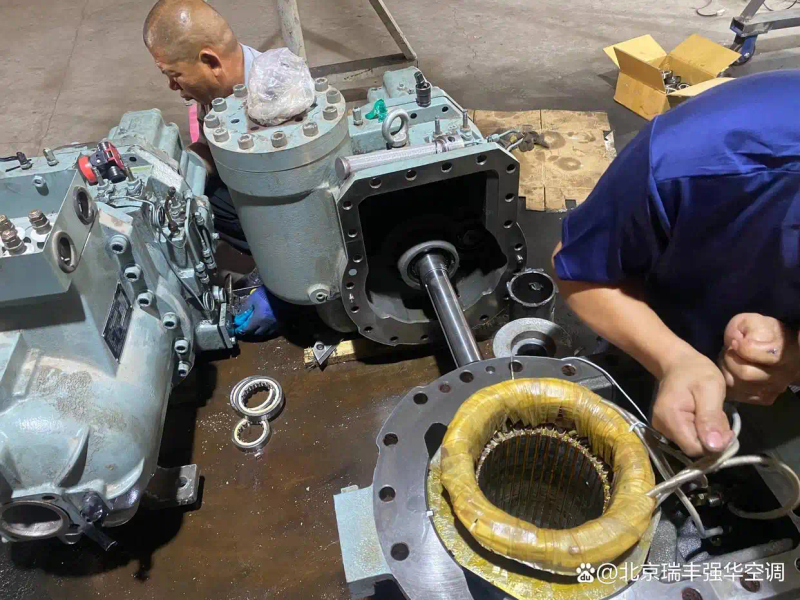
3. Inspection and maintenance of valve components: ventilated valves and valve plates are vulnerable. The valves shall be periodically removed to check whether they are fractured, worn or warp, and whether they are flat. Minor wear and tear can be repaired with ointment and severe damage needs to be replaced. The installation should ensure that the valves are closed in a flexible and secure manner。
4. Tightening and cleaning: periodic inspection and tightening of foot bolts, cylindrical lid bolts, piped connections, etc. To prevent relaxation and leakage due to vibrations. Keep the body and surroundings of compressed machines, especially the radiators and electrical components, clean and ensure good dissipation conditions。
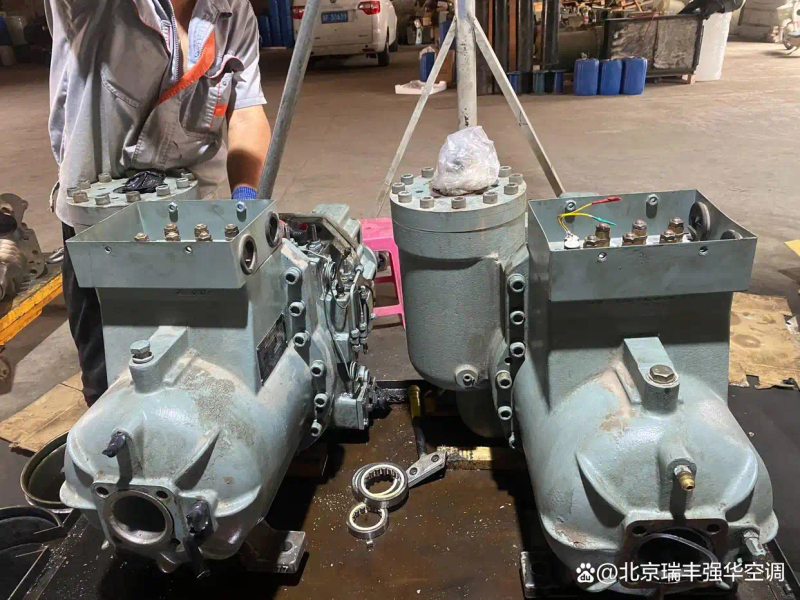
Checking of moving components: regular listening to the sound of the compressor via the sound of the hearing bar, it is normal for the sound to be evenly “single” with heavy impact or sharp frictions suggesting possible wear and tear on the bar, main axle or piston, requiring further stoppage。
Ii. Common malfunction diagnosis and operational handling techniques
When problems arise with compressors, how quickly and accurately to judge and process them is key. The following are some of the analysis of common failures。
Question one: compressors cannot be activated or stopped immediately after they are activated。
This may be due to a number of reasons. First, the power is checked to confirm whether the voltage is normal and the connection is strong. Checks whether protection devices, such as overloaders, jump out of position and high-pressure pressure controllers act due to stress abnormalities. (b) check the electric power itself to determine whether the insulation resistance to the ground by the electromechanical circuits has met the standard and whether the circuits have short or broken circuits。
Issue two: reduced refrigeration capacity and slow cooling。
This is a common phenomenon in operation. We can do a step-by-step check: check the exhaust pressure first. If the inhalation pressure is low, it may be caused by inadequate refrigerants, congestion in dry filters, low expansion valves over small valves or poor heat exchangers. If the exhaust pressure is high, it may be condenser heat dissipation (e. G. Fan failure, dirty jams), air mixing in the system or excess refrigerant charge. The leakage of cylinder valves also leads to a decrease in actual gas traffic, as evidenced by a low level of refrigeration due to higher exhaust temperatures。
Question three: there is an abnormal noise in the operation of compressors。
Noise needs to be identified. Heavy “scrambling” may be a liquid refrigerant that is “liquidated” by inhalation of gas cylinders and requires examination of expansion valve openings and system refrigerant charges. The sound of a curdium may come from a fracture of the gas valve. Continuous frictions may point to the size of the pole, wear and tear of the main axle or a shortage of oil. In the event that abnormal noise is detected, it is recommended that the inspection be stopped as soon as possible to avoid further malfunctions。
Issue iv: increased consumption or oil run-off of compressors。
Lubricated oils are brought into the refrigeration system in large quantities, leading to reduced heat exchange efficiency. This may be due to the severe wear and tear of the piston ring, which reduces the effect of scratching oil; the high temperature in the warp case, which reduces the viscosity of lubricating oil and makes it easier to be taken away by gas; and the blocking or unreasonable design of the back-pipe road, which prevents the smooth return of the oil to the warp case. The piston ring gap is inspected for processing, ensuring that the oil separator works properly and re-checking the pipeline。
Question five: compressor body overheating, especially on the lid。
Overheating accelerates the deterioration of lubricants and the ageing of components. Reasons include insufficient cooling water flow or poor ventilation of the wind condenser; excessive exhaust pressure; overheating overheating; and recompression due to leaks of cylinder valves. The cooling system, the cleaning of the condensers, the adjustment of the swelling valves and the examination of the sealing of the valves should be followed。
Iii. Security and attention in maintenance operations
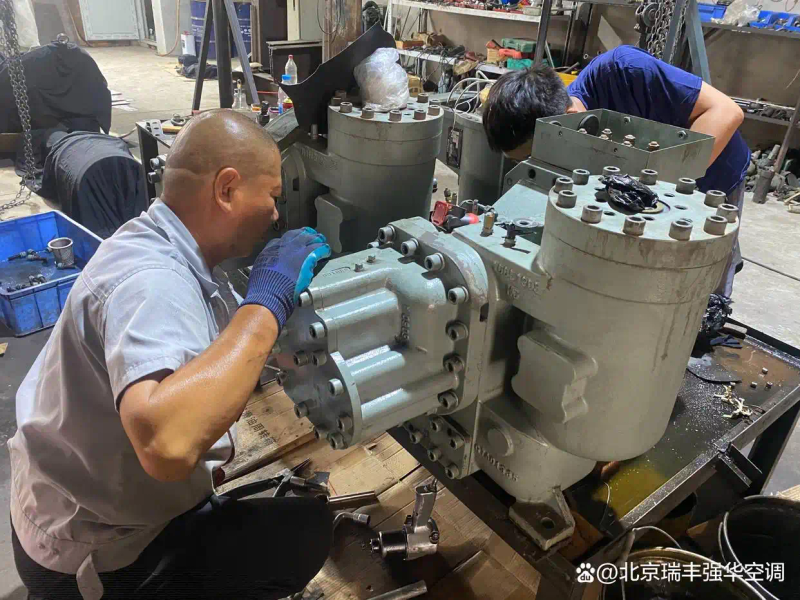
Prior to any maintenance, security pluralism is paramount。
1. Power outage: before electrical inspection or mechanical dismantling is carried out, it is imperative that the total power supply be cut off and that warning signs be placed to prevent the wrong locking。
Depressure operations: maintenance involves the safe recovery of refrigerants in the system to liquid storage units or dedicated steel bottles prior to refrigerant pipes or containers, ensuring that the pressure at the point of repair is reduced to atmospheric pressure. Pressure is strictly prohibited。
Fire protection against blasts: the cooler room should be well ventilated to avoid refrigerant spilling. Fires are strictly prohibited and electrical equipment needs to be blast-proof。
4. Personal protection: protective gloves, goggles. In case of exposure to refrigerants, freeze injuries are prevented. Use appropriate tools to prevent damage when moving heavy parts。
5. Regulation of welding: when welding or replacing pipes is required, the diversity is operated by a qualified welder to ensure weld quality and prevent leakage。
Iv. Consolidated recommendations for extending the useful life of equipment
In addition to responding to specific malfunctions, good usage habits and management can fundamentally prolong compressors life。
1. Smooth operation: avoid frequent decompressors. Commencement shall ensure that the offloading starts or by-passes reduces the start-up load. When the power is down, the load should be lowered and the power should be cut。
Maintaining systems clean and dry: strictly prevent water, air and impurities from entering the refrigeration system. Dry filters are regularly replaced and vacuum operations are fully diversified。
3. Establishment of complete archives: operational maintenance files for each compressor, detailing each maintenance element, replacement spare parts and handling malfunctions. This will facilitate the analysis of malfunction patterns and achieve forecasting maintenance。
4. Professional work is entrusted to professionals: for complex dismantling majors, major axle correction, re-engineering of electrical appliances, etc., it is recommended that this be done by technicians with expertise and tools。
The maintenance of the thai refrigeration pistol compressor is a systematic effort that requires patience, detail and expertise. Insistence on prevention, through regular routine monitoring and regular maintenance, can significantly reduce sudden breakdowns. When problems arise, following a scientific diagnostic process, judgement and processing in the light of practical experience are key to ensuring the stable operation of equipment. Such knowledge and skills will help users better manage the “heart” of the refrigeration system。