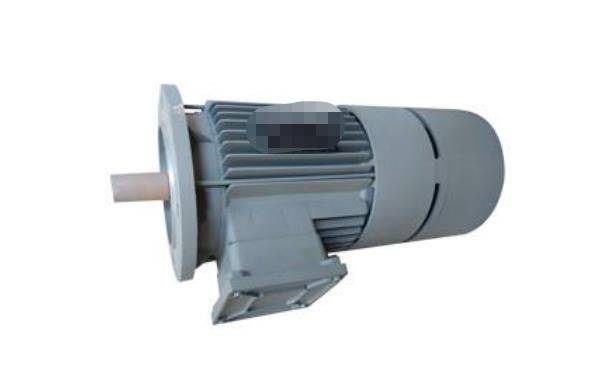
The server is an engine that controls the operation of mechanical components in the server system and is an indirect speed transformer for auxiliary generators. The server can accurately control the speed and location and convert the voltage signal into a twist and turn to drive the accused. The server rotor speed is controlled by the input signal and can respond quickly. In the automated control system, it acts as an implementing agency and has characteristics such as small electrical time constants, high linearity and low start-up voltage. It converts the incoming telecommunications to an agular shift or angular velocity on the engine axis and to output. It is divided into two categories: dc servers and communication servers. Its main feature is that when the signal voltage is zero, there is no rotation, and the speed of rotation declines evenly as the twister increases。
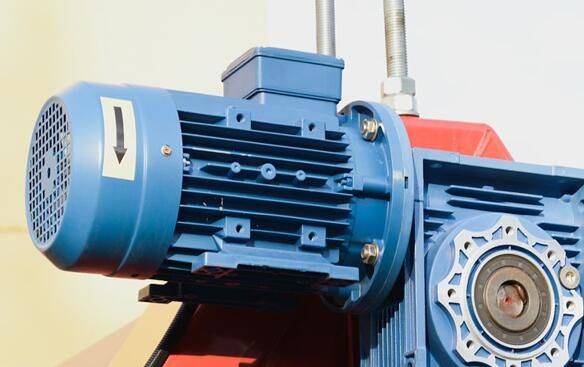
Rationale
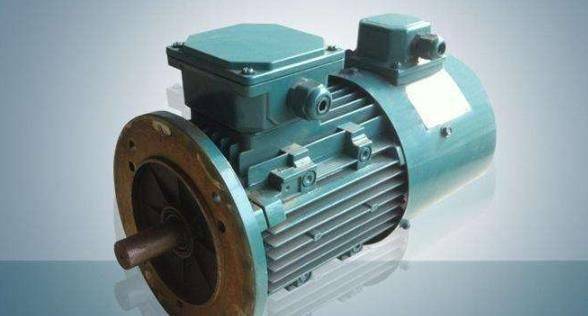
The server is an automated control system that enables output controls such as the location, direction and status of the object to follow any change in the input target (or given value). The servers are mainly pulse-based. It is generally understood that when a pulse is received by the server, it rotates an angle that corresponds to the pulse, thus achieving a shift. Since the server itself has the function of sending pulses, the server sends a corresponding amount of pulses at each angle, corresponding to the pulse received by the server, or referred to as a closed loop. Thus, the system will know how many pulses are sent to the server and how many pulses are received. Dc servers are divided into scrubbers and no scrubbers. The unbrusher is low-cost, has a simple structure, has a high start-up rectangular, has a wide speed range, is easy to control and needs maintenance, but it is not easy to maintain (carb-brushing), causes electromagnetic interference and requires environmental requirements. It can therefore be used in cost-sensitive ordinary industry and in civil settings。
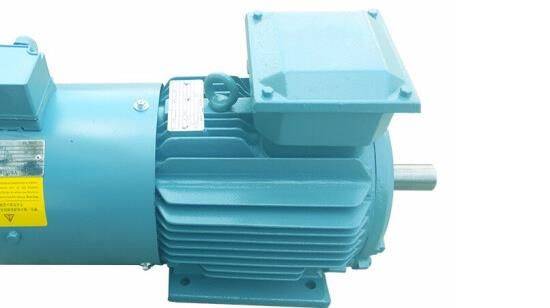
Unbrusher size, light weight, high output, rapid response, speed, inertity, smoothing and smoothing. Controls are complex and easily intelligent. It is flexible in the electronic way, either in the square wave or in the sine wave. It is maintained free of charge, efficient, with low working temperatures, low electromagnetic radiation and long operational life and can be used in various environments。
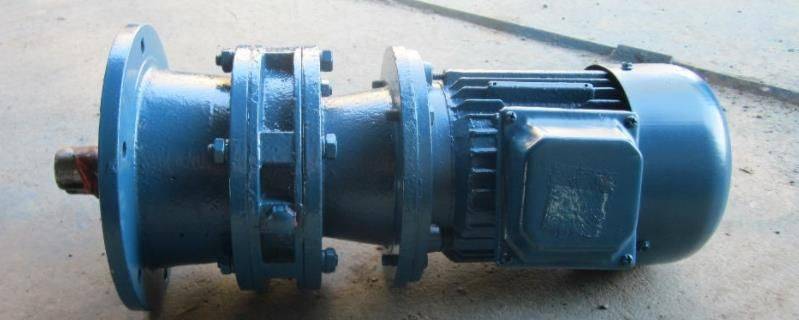
2. The communication server is also a no-brusher, divided into a synchronized and a walker. At present, motion control is generally based on the use of synchronous generators, which have a large range of power and can achieve high power. High inertia, low maximum turn-off and rapid decline with increased power. So it works for slow and steady operation。
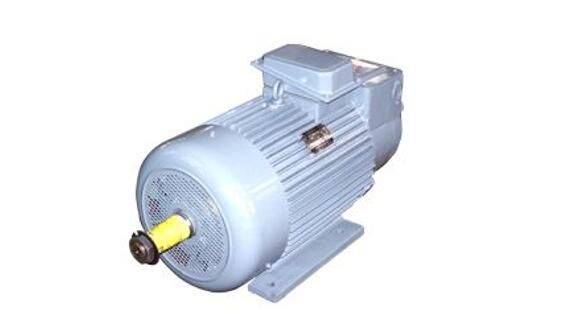
3. The rotor within the server is a permagnetic. The u/v/w phase controlled by the drive forms the electromagnetic field and the rotor rotates under the influence of the magnetic field. At the same time, the electrical encoder sends the signal back to the drive, which compares the feedback value with the target value to adjust the rotation angle of the rotor. The accuracy of the server depends on the accuracy of the encoder (lines)。
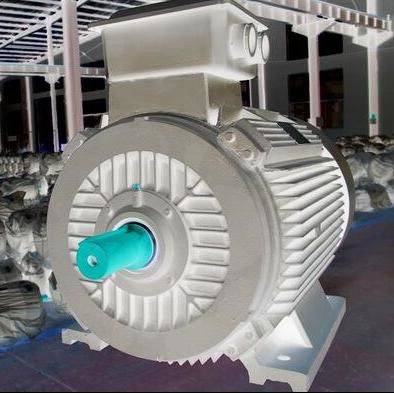
Communication servers differ from non-dc servers: communication servers are better, as they are stride-controlled, so they have small rectangular pulses. Dc servers are ladder waves. But dc is simple and cheap。