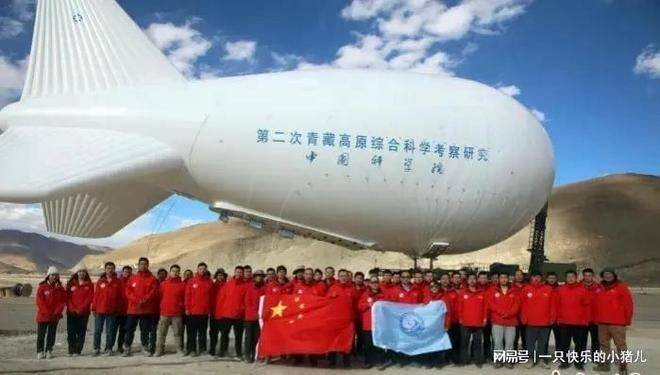
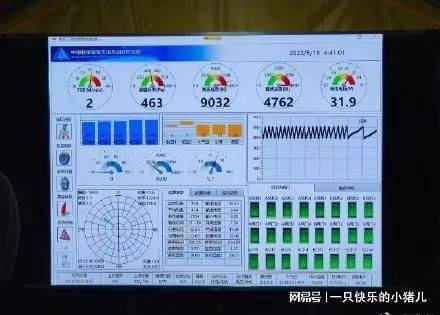
On 15 may, at 1. 26 a. M., our self-developed amphibious aircraft no. 1 iii was successfully launched from the kocau camp at 4,300 metres above sea level, reaching 9032 metres above everest height at 4:40, creating a world record of atmospheric scientific observation of the floating craft and striking directly into the air。
Airship principles
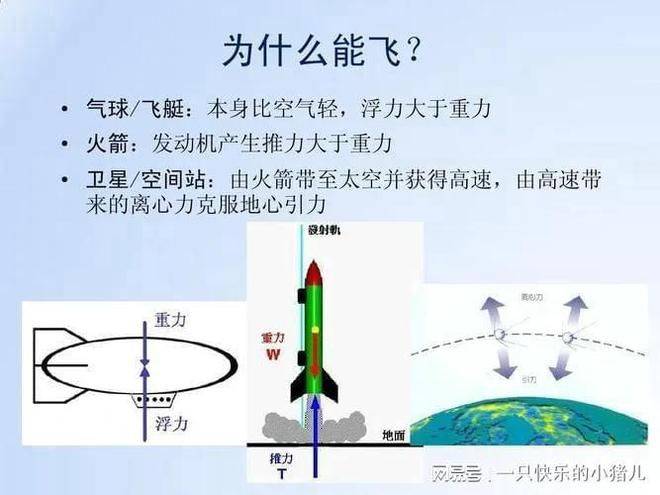
Aeroplanes are used to generate buoyancy by filling their airbags with floating gases (with hydrogen or helium) of smaller density than air. The rationale is to use a group of fans to fill the apron with high-pressure air, giving high-pressure air to an upward pressure on the bottom of the floating craft, to hold up the floating craft and separate it from the ground so that there is no friction between the bottom and the ground, and then to use another group of fans to generate thrusts to drive the floating craft forward at high speed。
Depending on the method of work, the aeroplanes can be divided into boats, balloons and hot balloons. The floating craft carries its own power system and can fly on its own. In addition, there is a distinction between people and no one in the floating craft and between tie and untie。
And my country's "photo one"-iii floating boat belongs to the unmanned cord type. It has a black cable that controls the ups and downs of the balloon. There are also two power lines in the cable that power the whole load。
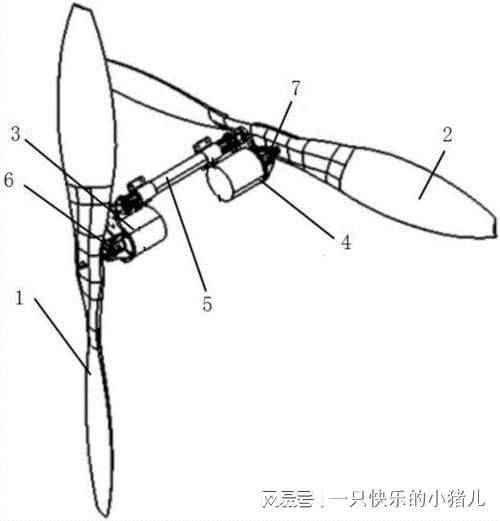
Airships are generally structurally organized and can be divided into three types: hard, semi-hard and soft. Modern flying boats are generally soft and can be maintained only through helium pressure in airbags, whose main components are airbags, auxiliary airbags, pods, propulsion devices, tail wings, etc。
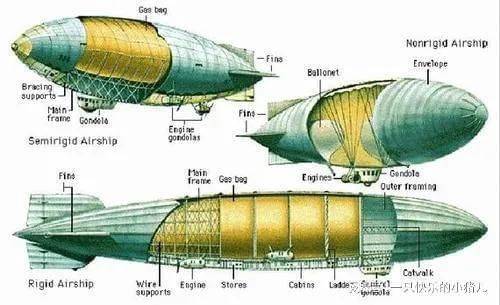
The airbag of the floating craft is a multi-layer composite cyst material made of special high molecular composites consisting of a bearing fabric layer, a tolerance layer, a gas retardation layer, a viscous layer, etc., which is not only of light mass but also of high strength, is not deformed, and is very flexible and incisive。
The greatest advantage of an aeroplane is that it has an unparalleled time off. The aircraft are counted in hourly terms, while the craft are counted in day. There are two main reasons why the craft was replaced by aircraft: high construction costs and too low speed。
The prices of the craft generally vary according to the size of their outer size, for example, the price of a small, 40-metre-long soft craft is approximately $2 million。
The case of ships (floating boats)
Case one: in the 1920s, an italian-made semi-hardship crossed the north pole from norway to alaska, the first craft in human history to reach the north pole。
Case two, in march 1957, a united states zpg-2 soft craft created a world record of 264. 2 hours of continuous flight in one flight, with a total mileage of 15,200 kilometres。
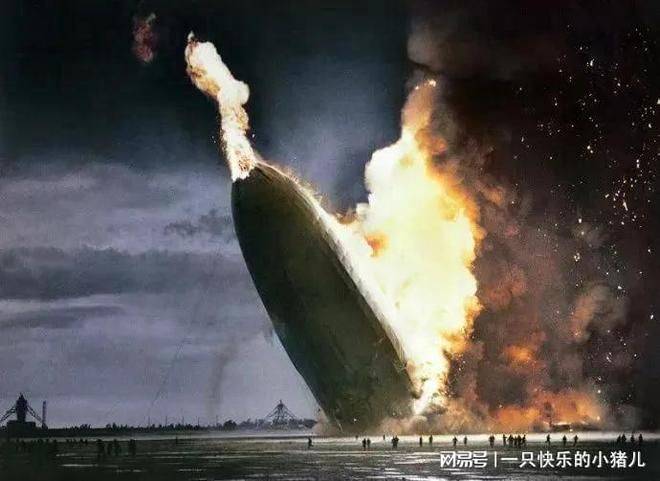
Case iii. On 6 may 1937, the commercial vessel hindenburg, a german transport company, crossed the atlantic ocean to the united states. When the boat was about to land over the lekhurst navy air terminal in new jersey, a fire broke out and, just a few dozen seconds later, the whole boat burned in the fire. Within 10 seconds, most of the hull was on fire, and 34 seconds later the giant hindenburg became a fireball on the ground. People watched as 7 million cubic feet (about 200,000 cubic metres) of hydrogen gas capsules were swallowed up by flames, and the burning skeleton fell to pieces. This is the famous "hindenburg" ship crash。
The development of the amphibious one
The amphibious abyss, the size of which is 2,300 cubic metres, contains 1,400 kg of helium in the interior upper layer, with a middle spacing and air in the lower layer. As its height increases, the pressure of the entire floating craft is regulated within a safe range by excluding the air below. The surface area of the floating craft is nearly 2,000 square metres and is made of composite fabric materials that can withstand temperatures of less than 70 degrees below zero。
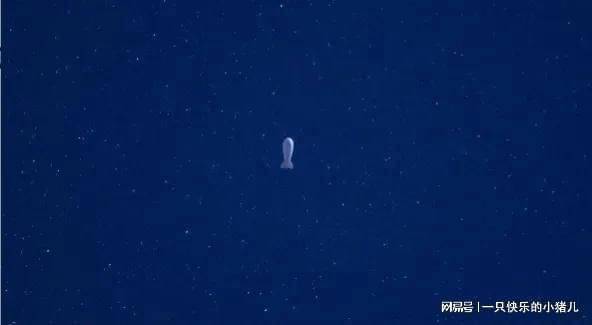
There are three autonomous systems for the autonomous development of aeroplanes, three of which are small to large in size, low to high altitude and increasingly complex systems and technical difficulties. These include: "photo i", "photo ii" and "photo iii"。
On 22 january 2019, at 5. 29 a. M., in the zeruran area of the tibetan forest, the polar one flew 2819 metres, reaching an altitude of 6204 metres, the highest observation record of the “floating craft” created by chinese scientists. On 23 may 2019, at 6. 01 a. M., polari succeeded in creating a world record of high-altitude scientific observations up to an altitude of 703 metres。
On 15 may 2022, at 1. 26 a. M., the chinese autonomously developed floating craft "photo i" iii (960 cubic metres in size, with a total weight of approximately 2. 625 tons and a ground anchor of 90 tons). The kocau camp, which is 4270 metres above sea level, was successfully flown to 9032 metres at 4:40, above an altitude of 183. 14 metres from everest of 88. 48. 86 metres, creating a world record of atmospheric scientific observation by floating craft。
It's the point of the amphibious one
On 28 april 2022, a team of 64 members (composed of 64 members from the institute for the research of the quechua plateau, the research institute for the innovation of space information and the changchun light machine) from the everest mission, will be fully operational. Integrated tests of the high-altitude atmosphere will be carried out using observation instruments on board the polar i floating craft. The simultaneous recording of atmospheric composition data from the surface to the altitude of 9,000 metres and water vapour transmission processes, among others, is important for studying how the west wind affects environmental changes in the tibetan plateau. Airboat observations will provide an important scientific basis for revealing the sources of water from the asian water tower, providing key scientific data, and for developing policy responses to changes in the water-ecological-human-activity chain of the tectonic plateau in the context of global warming。
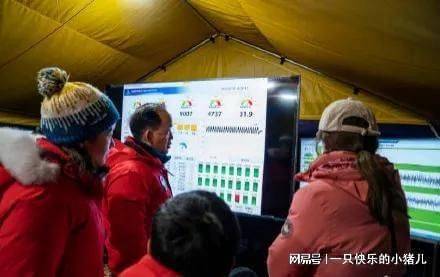
This time, it was described as a challenge for the possibilities i and iii to observe an altitude of 9032 metres, creating a world record, with three main challenges:
First, 9,000 m above sea level under conditions of low temperature and high wind speed, imposing stringent requirements on the reliability of systems that hold floating craft platforms
Secondly, the hull material, which is a small, low-density, high-density, radiation-resistant compound developed by china on its own, is the first to be applied under harsh environmental conditions in the everest region of everest, and has significant scientific and engineering implications
Thirdly, the stability of the complex electromagnetic environment at an altitude of 9,000 metres above sea level, the hulls that hold the floating craft under low-temperature low-pressure high-winding environmental conditions, the control system, the energy system and the mooring system all offer great tests。

Concluding remarks: in the early morning of may 15th, the members of the skk overcame the high cold and lack of oxygen, observing day and night, and when the skkbs were above 9,000 metres above sea level, they shouted, "we did it!" and the skb1 created a new world record for atmospheric science, 9032 metres! Here's to the top of the mission, the zhuong feng cai kauk comprehensive examination team。
References
Our home-grown elastics have successfully challenged the world's record at 7,000 metres above sea level. Network