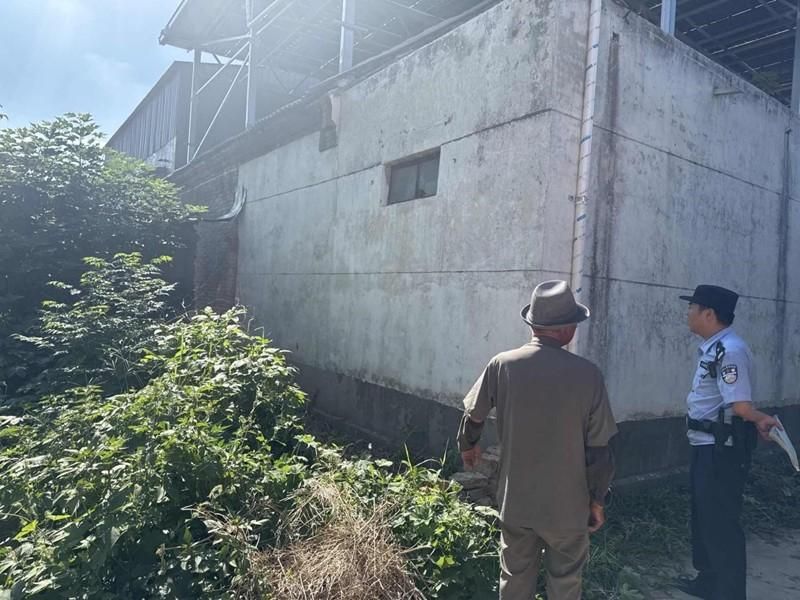
In order to write well, both hard and soft, the writing position is first. There were now many students in schools and teachers often did not have the time to correct their children's pen positions. It is up to the parents to develop the right pen positions。
The right brush:
The parents are now introduced to the four-point rule, so that our children can follow practice and see who first knows。
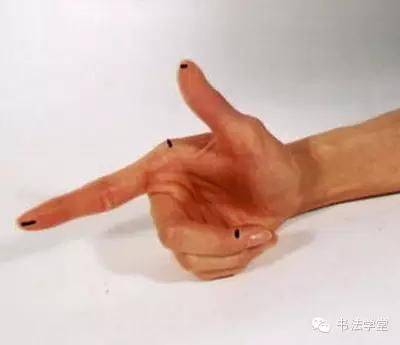
First, a four-point mark on the right hand of the pen
Point one: at the tip of the thumb。
Second point: at the top of the crest of the index finger。
Third point: in the fingertips。
Fourth point: in the middle of the first joint and the tip of the nail。
Children with incorrect writing positions can mark their own hands with their own pens before each writing, for a month, until they remember it。
After four o'clock learning, we're in the second stage
Five points in the shape of the pistol must be noticed: (1) the index finger is flat. (2) the three auxiliary fingers are slightly bent and point to their bodies. (3) curve four centimetres. (4) curved finger to thumb position. (5) three auxiliary fingers form the third stage (refer to the correct handprint, unnamed finger and tail)。
Now, step three, "putting."
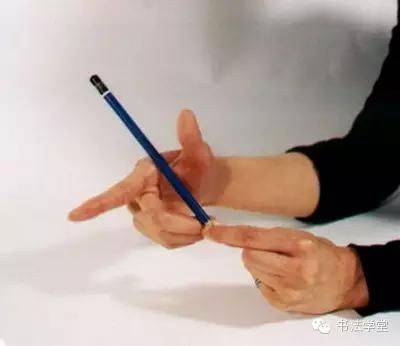
(1) draws the tip of a pen with a left hand or right thumb and index finger pointer, which is already in the shape of a " pistol" in the middle of the first joint and the edge of the fingernail (i. E., the fourth mark) and in the position where the head of the top of the index finger (i. E. The second mark). Now it's stuck to two points. Note: the position from the tip of the pen to the middle point point point (i. E. The fourth point mark) is approximately 2. 5 cm。
(2) the thumb and index finger are in the form of crab claws。
Because the majority of the wrong hands are cross-blank, its biggest enemy is the thumb, which is a crab clitoris, that is, the thumb pointer, which can easily bind to the pen. At the same time, the fingertips (i. E., the three-point mark) stick to the pen. Is the pen stick now stuck to the four point sign
(3) the thumb and index finger bind the pen to the pen, the middle finger up to the top, the thumb and index finger down and the pen will be locked。
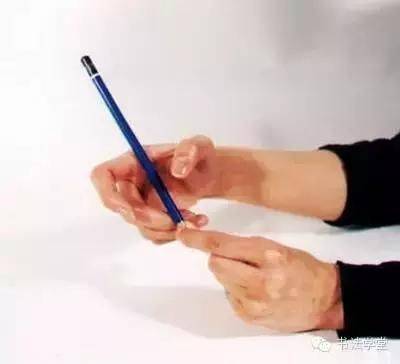
Note: a distance of approximately 3 cm from the tip of the pen to the thumb and index finger。
(4) release the hand with the hand with which the hand with the hand with which the hand with the hand is given, but if the hand with the hand with which the hand is given fails to meet the criteria, do not release the hand with the hand with which the hand is given。
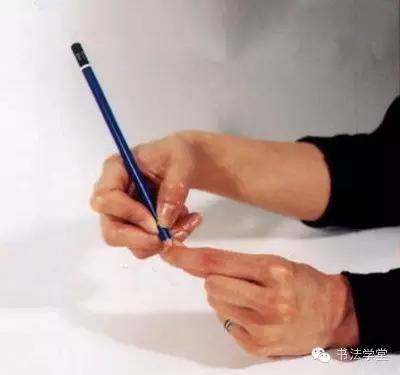
The correct writing gesture is a microdent in the first joint at the front end of the index finger, with the second joint of the index finger and the thumb joint coming up at a distance of approximately 0. 5 centimetres from the middle finger bearing point to the thumb and index finger point。
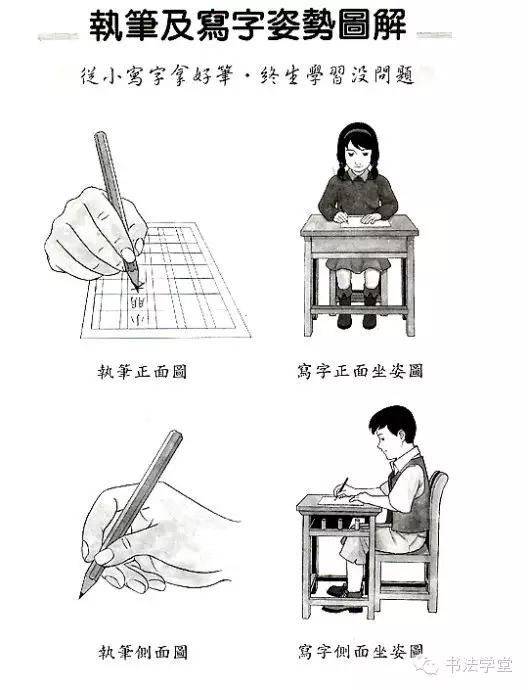
I. Writing postures
Writing positions are very important to practice writing. The correct writing posture not only guarantees self-righteousness, reduces fatigue and improves writing standards, but also promotes the normal physical development of children and adolescents and prevents the occurrence of a variety of diseases, such as near-sightedness, slanting and spinal bends. Attention must therefore be drawn. The correct writing postures are: sitting on the top, with two shoulders flat; facing the head, leaning forward a little bit; standing back, standing up to the chest and punching the chest around the table; two feet flat on the ground, with one shoulder wide; right and right arms on the table, press paper in the left hand and pen in the right hand. The distance between the eyes and the paper should be around one foot。
Ii. Methodology
The correctness of the writing method relates to the control capacity of the pen, the flexibility of the pen, the speed of writing, and the direct impact of writing. Good writing must be nurtured from an early age, otherwise it is difficult to correct once habits have developed. The correct approach to writing should be a three-point approach. Specifically, the right hand pen, the thumb, the index finger, and the middle finger hold the lower end of the pen around 3 cm from three directions. The index finger is a little later, the thumb is a little later, the middle finger is attached to the pen, the no-name and the small finger are naturally placed below the middle finger and bend to the hand. The top slash of the pen bar leans to the top bone of the index finger, with the pen and paper showing 50. Around. To write is to be “finger-and-hand”, it is to hold hands and hand-held hands, so that the writing can be flexible。
If you hold a pen, you can write well, and parents must be careful to make a good brush for their children。
There are eight common misperceptions:
1. Cross-cut: children write slowly, too hard and tired。
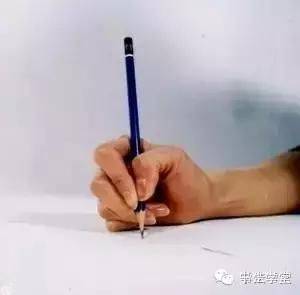
2. Buried head: the thumb behind the index finger is the gesture of the second child offender。
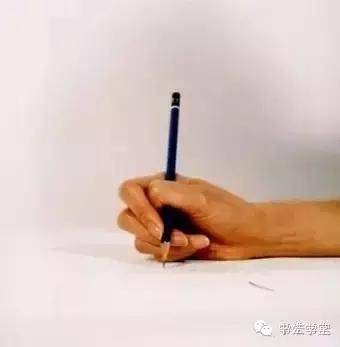
3. Distortion: the thumb is twisted, with an index finger against the pen。
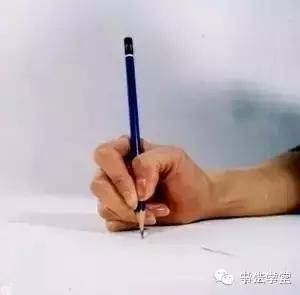
4. Reversing: many children turn their wrists and pens to themselves, a writing that affects the spine。
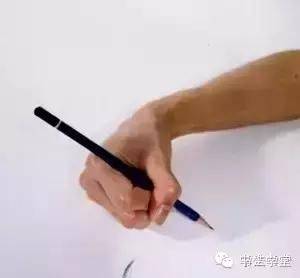
5. Linear type: thumb and index finger in straight pen。
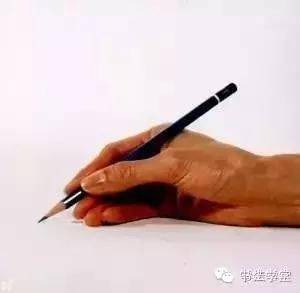
6. Speculation: a thumb, an index finger and a middle hand, which, for some reason, is more common among girls。
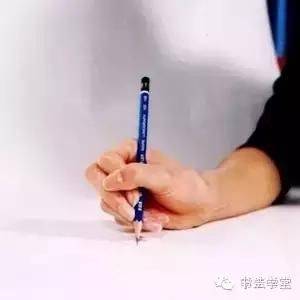
Sleeping patterns: the wrists and the hands of writing are attached to the desktop, covering their own eyes。
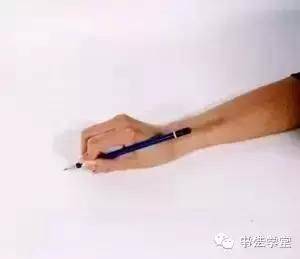
8. Boxing: writing is like holding a fist。
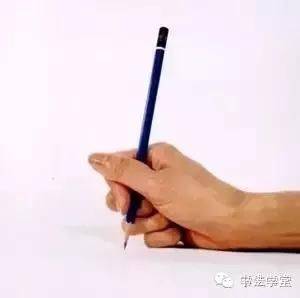
These eight erroneous gestures can lead to problems in the child's sitting position, distorted hands, deformed bones, fatigue, slowness in doing homework, and poor fonts, with the chain reaction being the child's aversion to writing。