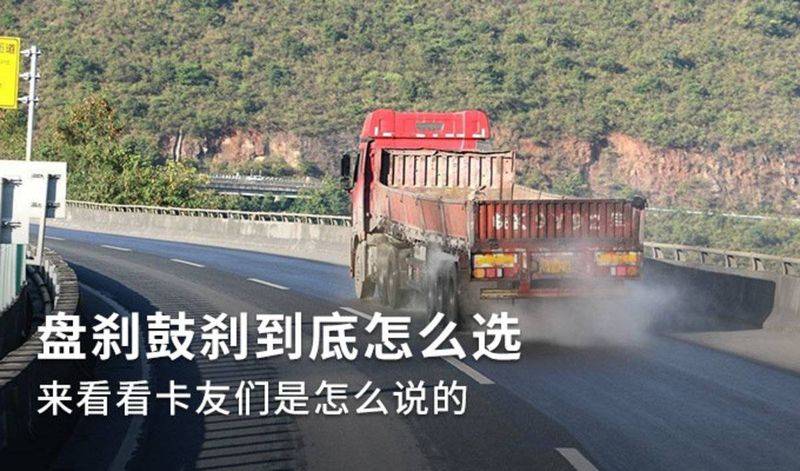
Recently, at the ka's forum, someone was asking about the selection or the selection of the drum brakes, commenting on the term zeica's ecstasy, saying that the drum brakes were reliable and that the brakes were better. The heat of discussion on this issue can be said to be long, so today we will have a good chat。

History of brakes and drums
Since the german karl benz invented a car using a single-sprint indoor engine, the speed of the car has finally barely reached 19 kilometres per hour, and it has been breaking over time, while the brake system has begun to show。
At the very beginning, the british invented a braking pattern with hair and asphalt coupled with drums, but with speed rising, this primitive brake method is normal and easily ineffective. So in 1900, the german engineer william mabach invented a more dynamic brake. In about 1902, british engineer frederick william lanchester invented more durable brakes。
Although the drum brakes are close to the moment of their lifetime, their respective development paths are very different. At the very beginning, due to the material problems of the brakes, the brakes prevailed with absolute superiority and were widely applied to all types of vehicles。
However, with the development of material science, the united states company chrysler was officially equipped with four-wheeled brakes in 1933, which also marked the beginning of the counter-attack, until now when most of the cars, motorcycles and bicycles in the market were used on a wheeled brake。
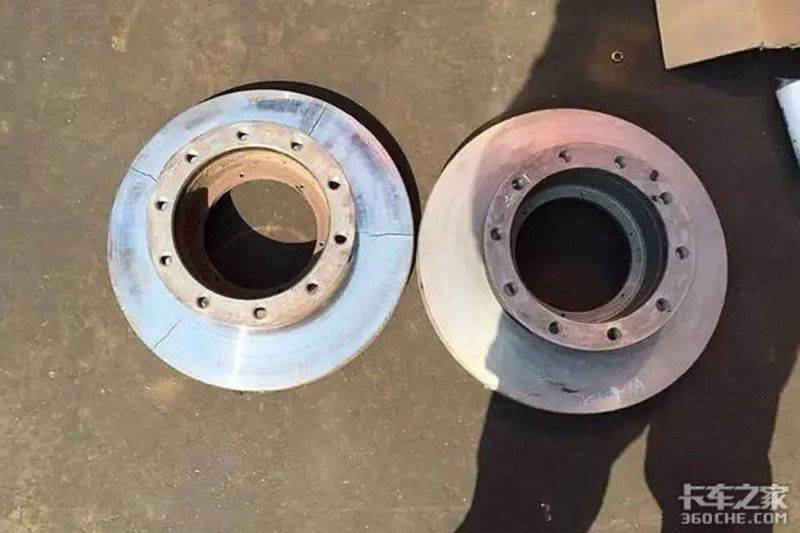
However, this trend is not obvious in the area of commercial vehicles, which are generally of a higher quality and have much greater motor capacity than the use of the vehicle, and are therefore more popular in terms of generating more power. Until recent years, when the brakes have been further enhanced and better heat-dissemination capacity has been achieved, more and more weight cards are now being used。
In particular, the implementation of the technical conditions for the safety of operation of motor vehicles at gb7258-2017 requires that all wheels in the transport of semi-mounted, three-axis fenced and stowage semi-mounted vehicles be equipped with disc brakes to enter the climax。
With drums
Does the truck have a plate or a drumbrake? We will look at his comments below。




From above, we can see that now both those who support brakes and those who support drum brakes have their own point of view, but in general there are more supporters of brakes, who mainly feel that brakes are reliable and durable. But it's the heat-depletion effect of the drum brakes that is less secure than the brakes。
So let's look at the structure of the brakes and the drums。
Drum brakes: powerful but dispersible
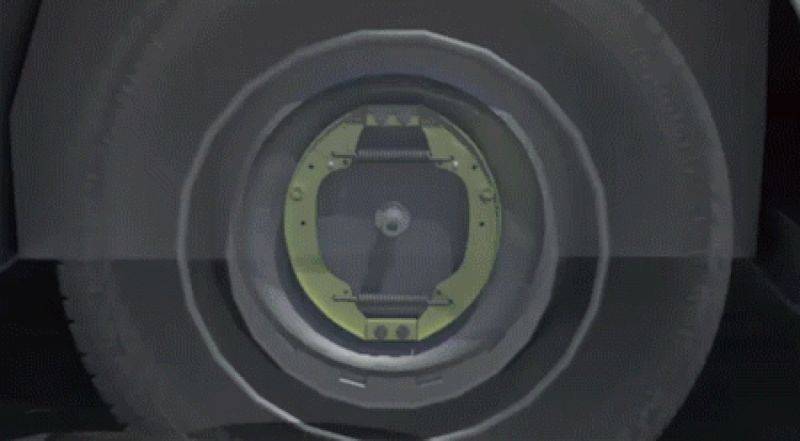
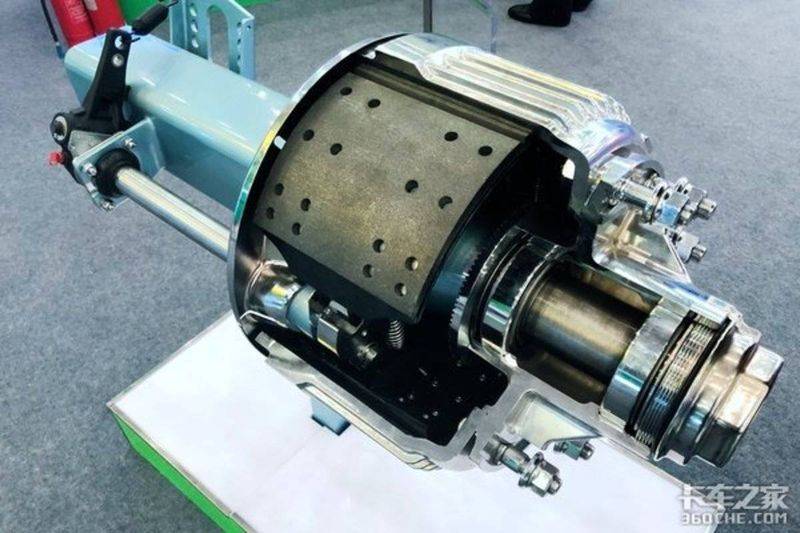
The work of the drumbrake is very simple and consists of the brake floor, the brake sub-pump, the brake hooves, etc., associated poles, springs, nails, brake drums, etc. Pushing the piston through hydraulic pressure, the brake hoof from both sides is attached to the inner wall of the wheel, thus achieving the brake effect。
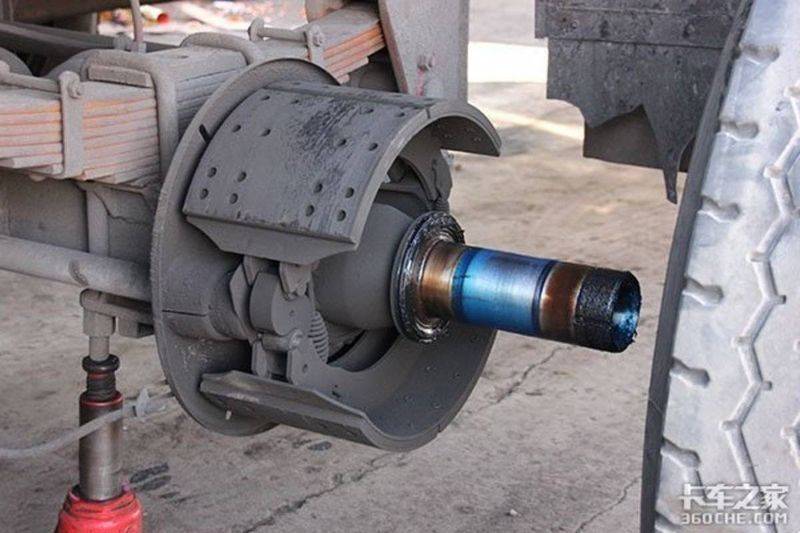
As an old man of many cams, the drumbrake structure is not easily broken, it is of good quality, low cost and, most importantly, very powerful, and very friendly to heavily loaded users。
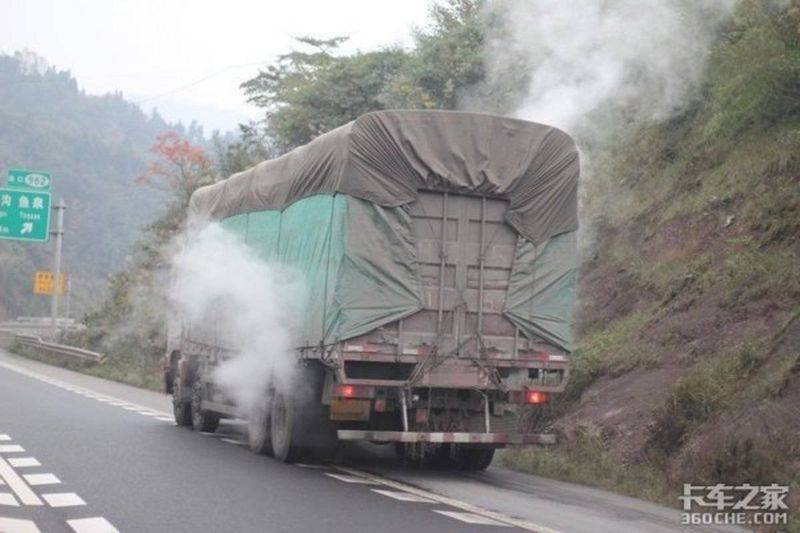
But it is also because of closed structures, the dissipation of the drum brakes is poor, and the brakes are used when the brakes are used, the amount of heat generated is difficult to remove in time, and when time is running out, the brake overheating is reduced, and even the brakes are burned and their hoofs lose power。
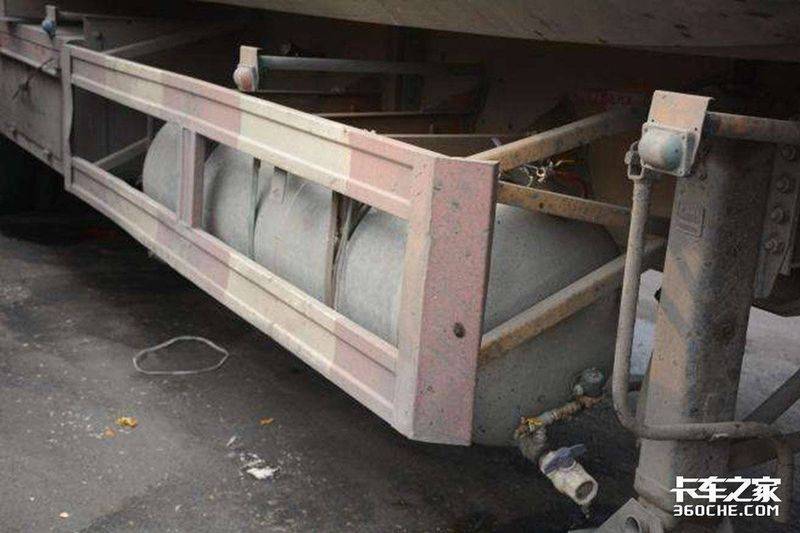
In order to address this problem, many cams have chosen to install water showers in their cars and cool their drums in the face of a long downhill, thus avoiding a heat recession. However, this would require frequent watering of tanks, which would be expensive and would be banned in the northern winter。
Brake: no fear of heat decline, but more expensive
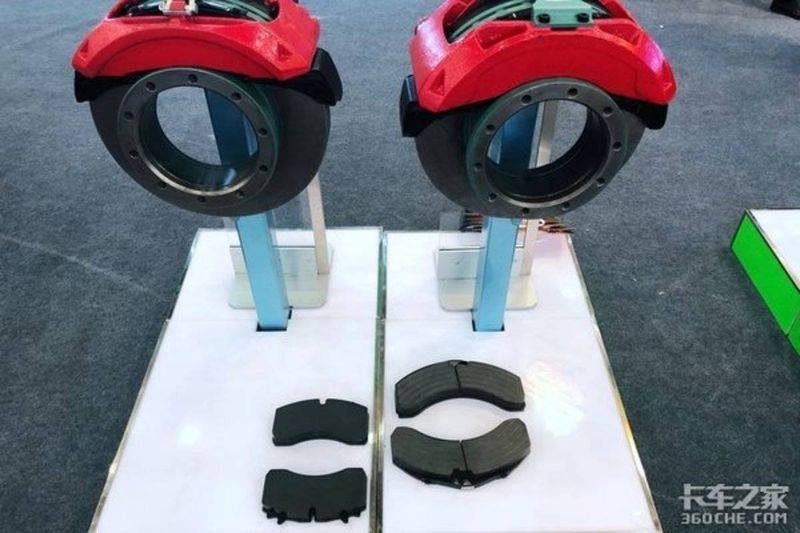
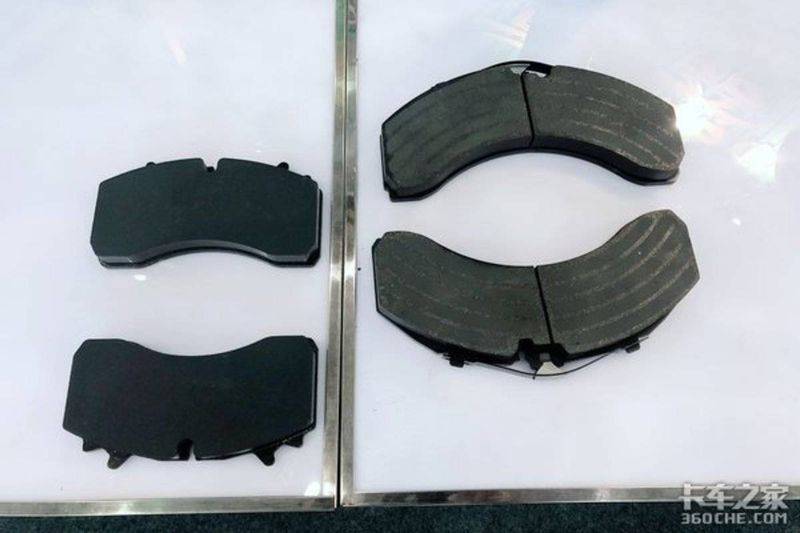
The brakes consist mainly of components such as brake subpumps, brake card clamps, brake plates and brake plates, with a simple overall structure, with few spare parts, and a rapid rate of brake response. The brakes work in the same way as the drum brakes, but the difference is, it drives the brakes through a hydraulic pump. The brake effect was achieved through the force of friction caused by card clamps attached to brake plates。
So the brakes are structurally open, so the heat generated by the brakes and the brakes friction is easily released. Even with continuous high-speed brakes, brake performance does not cause excessive heat decay. Moreover, maintenance is easier when the brakes open the structure. Here, too, you have to say that a disc brake cannot be showered if it causes the brakes to crack。
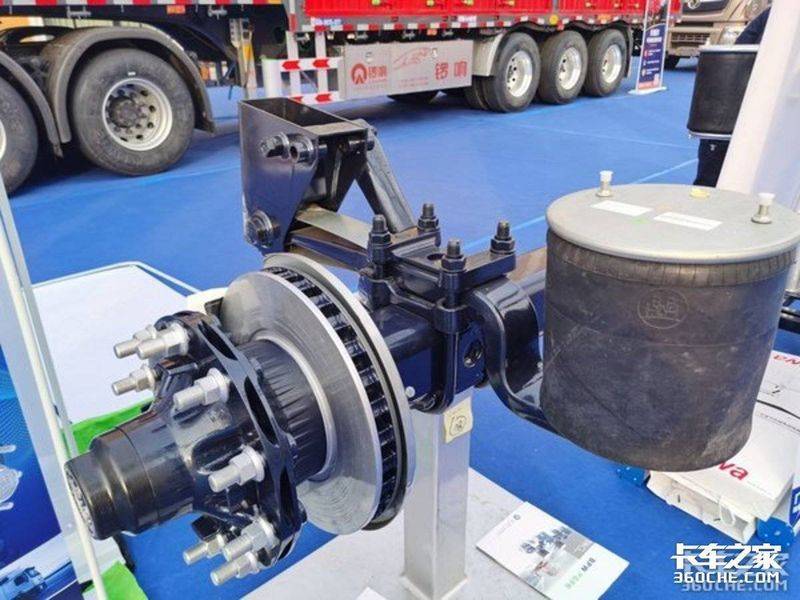
But the brakes are more expensive than the drum brakes, and they are less dynamic than the drum brakes under the same size brakes. So the brakes are used with the abs, the liquid slow-down, these auxiliary brakes. Although there will be a quasi slurry at higher cost, a good match between the brakes and the auxiliary brakes also provides it with excellent plasticity。
Later:
In fact, we've basically analysed the merits of the drumbrakes and brakes, but we still have to think about it when we actually make choices. It's like going north, not much of the ramp, and the ones who can't use water in winter must like brakes. It's more reassuring to have a popular reaction on a mountain route like yunjukawa. So how did you choose? Welcome to comment area。