The work of the brake pump is that when the driver sets down the brake pedal, the piston in the total brake pump is pushed and the pressure is passed to the brake subpump to produce a brake effect; when the pedal is released, the system pressure falls and the parts return to position. Specifically, the total pump of the oil-pressure brakes transfers the brake oil through the pipeline to each sub-pump piston, prompts the brakes to be brakeed by friction between the brake blades and the brake drum; the total pump of the brakes is similar to a valve, which drives the brakes using gas discharged from the tank, and when it is finished, the gas is discharged directly. Brake pumps are important for the safety of the car。
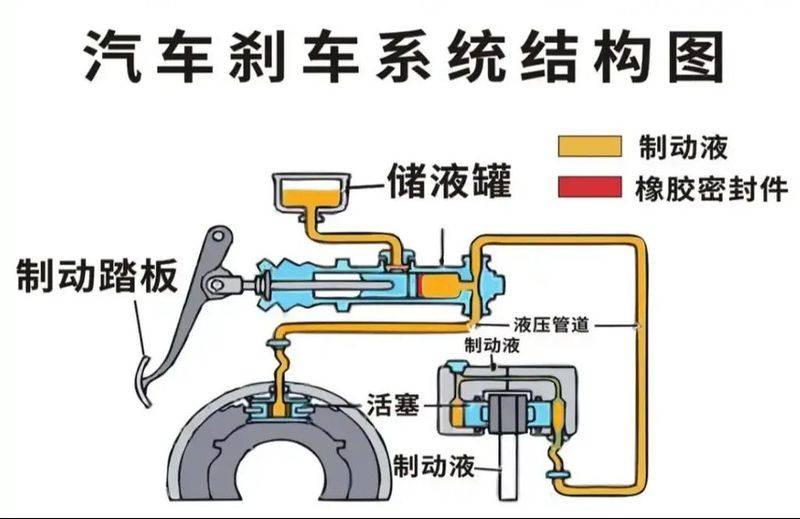
When the driver stepped on the brake pedal, the piston inside the total brake pump began to move with the thrust of the pedal. For the total oil-pressed brake pump, this thrust allows the piston to move forward, at which point the perforation will be closed and the oil pressure will be installed quickly in front of the piston. The oil pressure, like a courier who transmits instructions, is accurately transmitted to the pistons of the brake subpumps through a particular tube. Pistols for brake sub-pumps are driven by oil pressure and contribute to brake foot and foot expansion. The brake blades of the brakes were tightly attached to the inner surface of the brake drums, producing a strong friction between the two, which led to a gradual reduction in the speed of the vehicle until it eventually stopped, thus perfecting the brake effect。
The work process of the total gas brake pump is unique. It plays a key role like a valve in the entire brake system. When the driver stepped on the brake pedal, the total gas brake pump opened the working mode and the gas from the tank was released at that time. These high-pressure gases, like thousands of horses, drive the corresponding components into operation and thus achieve brakes. When the brakes are over, the total pump drains the gas directly, which is why we often hear larger exhausts when the truck brakes, because the vehicles using the brakes are usually equipped with several larger tanks, which generate the sound of gas being discharged during the brakes。
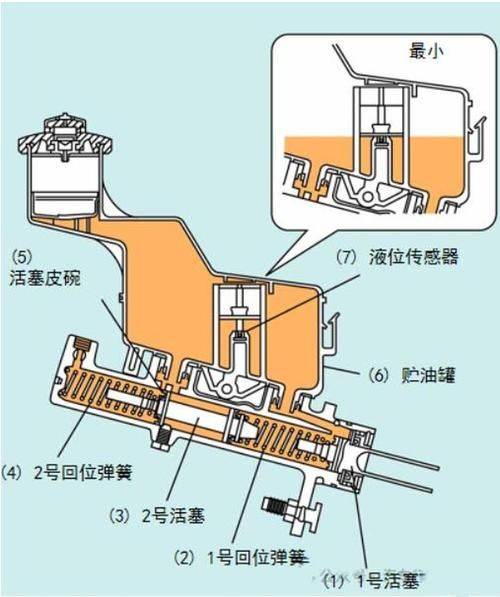
When the driver releases the brake pedal, the whole brake system is in another state. In the oil-voltage brake system, the total pump piston is slowly repositioned to its initial state under the combined effect of the oil pressure and the return spring. As the piston returns, the pressure of the brake system decreases rapidly, and as the piston returns, the excess brake oil will flow smoothly back into the kettle in preparation for the next brake. Similarly, when the pedals are released, the components return to their respective repositioning mechanisms, the gas emissions end and the system is back on standby。
In addition, in exceptional cases, such as in the case of a two-legged brake, oil from the kettle enters the area in front of the piston from the compensation hole. This clever design has increased the oil in front of the piston, thereby increasing the power of production and providing greater safeguards for vehicle brakes。
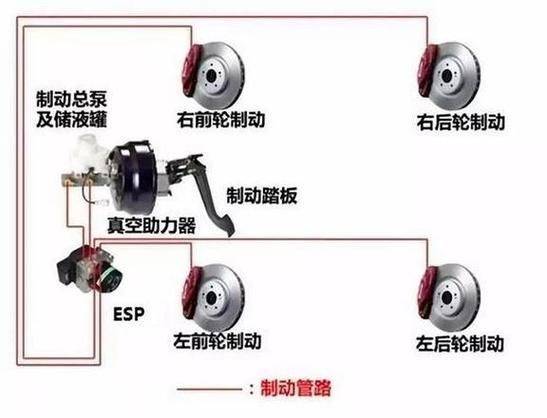
The work of brake pumps is complex and sophisticated, and the links are closely aligned, both in terms of oil pressure and gas brake pumps, which play an irreplaceable and critical role in the car brake system. They are the core components for ensuring that vehicles can be safely and in a timely manner, creating a strong line of defence for the safety of our vehicles。