There is a view on the internet that the brakes are the best, as some of the “advanced cars” use the brakes, which they find to be very low, only for big trucks, and then for home cars, the brakes are replaced by the brakes。
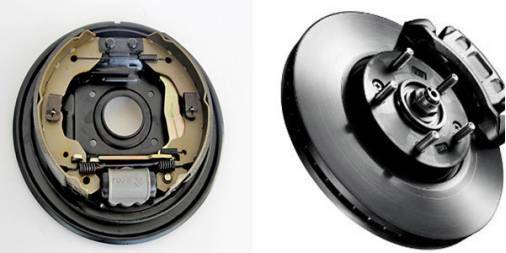
What do you think
Anyway, my conclusion is, "no." why? And look down。
Only an objective understanding of the facts of anything can we make a relatively accurate judgement。
What the hell is that
The working principle of the brakes is simple, for example, to trap a wheel with two palms, thus stopping the wheel。
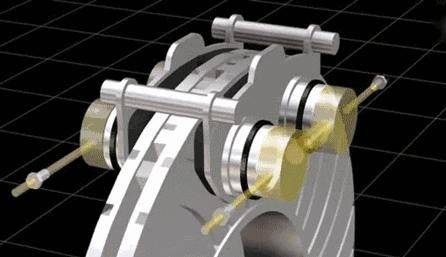
The correct point is that the brake clamps bind through two friction plates to the moving brakes, so that the brakes can be achieved and the machines can be converted to heat。
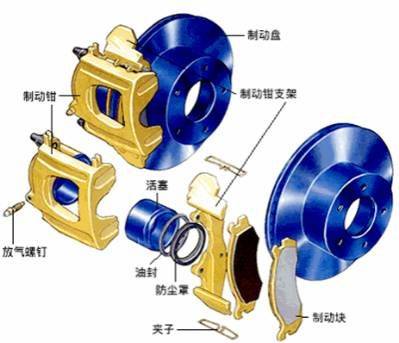
So this structure and rationale brings him the following characteristics:
Advantages:
1: brake is more linear. And that means that in the course of our actual driving, the brake pedals and brakes are perfectly proportional。
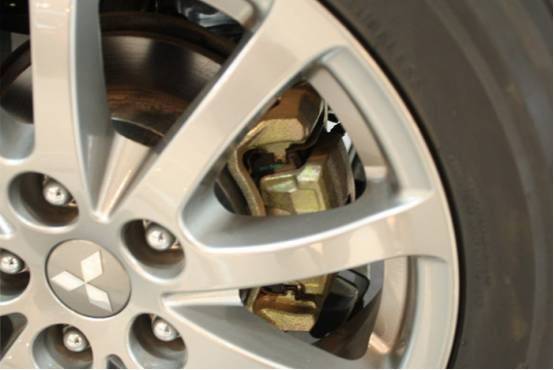
2: good heat spread. Disk brakes, because the structure is exposed externally and the heat can be dispersed directly through the air, are better diffused and can effectively prevent heat decay, which is the largest “enemy” in the brake system。
If a vehicle's brakes are too hot, the vehicle's brakes become worse and worse than the brakes' failure。
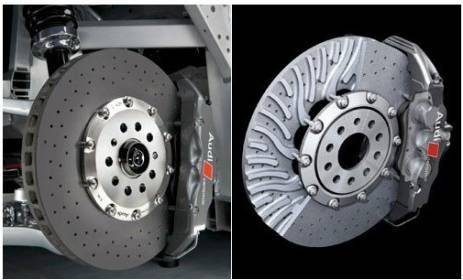
So we often see, on some sports cars or on performance cars, holes or hollow brakes, the ultimate purpose of which is to minimize the heat decline of brakes and thereby achieve better brakes。
Disadvantages:
1. Relatively high costs
2. Some maintenance is required in use, such as replacement of brake plates and brake plates。
3. Water after heat, easily deformed。
What about the drumbrake
The work of the drumbras is not complicated
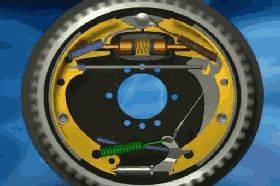
It is simple to understand that the wheel is a rotating hollow wheel, with both hands inserted in it and spread out for the purpose of “brakes”. It is also the conversion of mechanical energy to thermal energy to achieve brake effect。
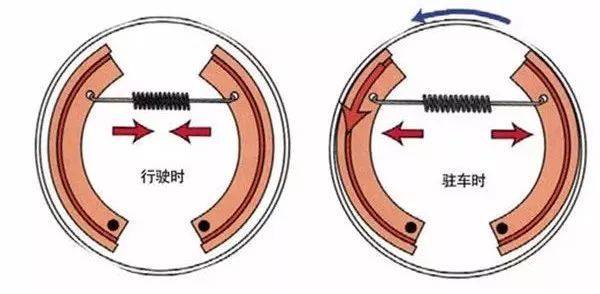
More obvious advantages:
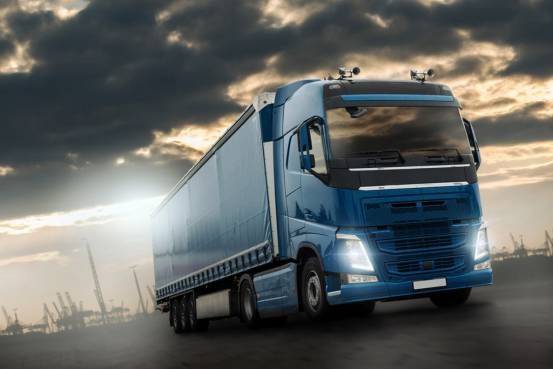
Powerful. When the wheel turns, the drums expand the brakes, a working method that allows it to convert part of the motor energy of a car to brake power to achieve maximum brake effect. So in absolute power, the brakes work better than the brakes. This is also the reason why many large trucks and trucks almost always use drum brakes。
2. Low-cost, almost life-free maintenance. In the case of cars, some of the relatively low-cost vehicles, usually with drum brakes, are also cost-cutting. And it's the same "simplified factory mix" that partners share. So many of today's domestic cars, many of which are gradually being replaced by the wheel brakes, are now increasingly concerned about their “renown”, after all, good reputations represent good sales。
Disadvantages:
1. The brakes are not linear enough. Because that characteristic, which is reflected in the actual driving, may be the case: assuming the force you use on the brakes is one, it's probably 1. 5, which is uncomfortable. For example, in our old bus, when the driver brakes, the instant power of the car tends to get us on our feet, because the brakes are not linear enough。
Dispersion is poor. In relatively frequent brakes, a drum brake structure is almost completely closed, making drum brakes more susceptible to heat decay than plate brakes。
Three, it doesn't look good. Not to mention, in any case, a lot of people spit。
So, even though drum brakes are cheap and powerful, in the area of motor use, the disc brakes are a perfect substitute for drum brakes. Why do i still think the drum brakes will not be replaced
The reason is the electric car。
A hidden advantage of the drum brakes is useful at a time when there are many small motor vehicles in the domestic car market。
There is a structural component in the drumbrae - a double spring, which, when the brake pedal is lifted, can cause the brake hoof to be separated from the brake drum in an instant. The advantage of this “speech separation” is that it can produce no additional friction heat loss。
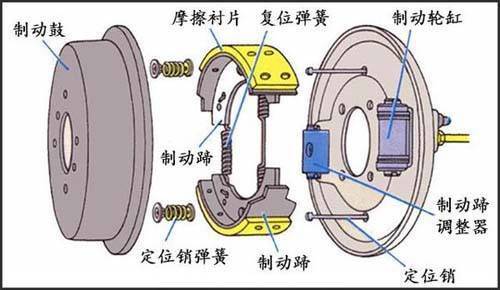
The brakes are relatively undrum-separated, so there will be some energy consumption, which may be unchallenged for petrol cars, or electric cars of the tesla level, but for small electric cars with more than 100 kilometres in their own right, this is not a small energy, even 10-20 kilometres。

So small electric cars use drum brakes, which allow for a certain increase in their mileage。
There's also a point that many of the brakes are still drum-brushing. Why? The reason is mentioned above because it's cheap
Usually we don't need too much power to pull the brakes, we just have to hold the brakes steady, so the brakes are less expensive than the brakes, so why don't the producers do it。
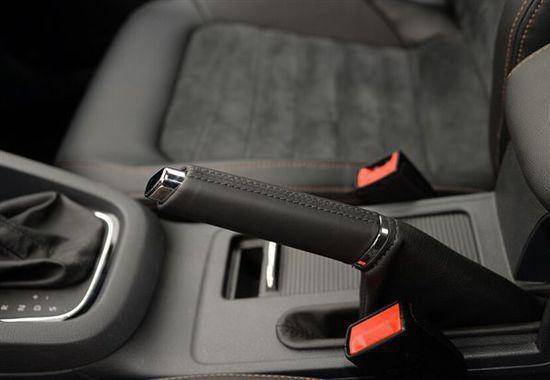
Ok, that's my point. Drum brakes are not replaced by plate brakes, because both of them have distinct characteristics that can only complement each other and cannot take over the nest。
Ladies and gentlemen, if there's a problem with buying or using a car, you're welcome to leave your questions behind