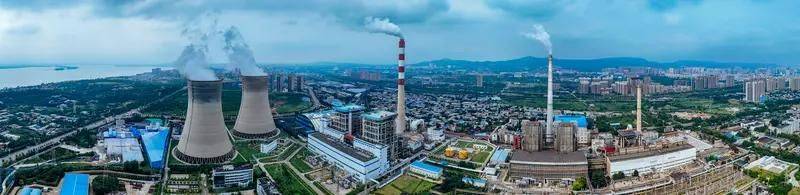
The principle of fire power generation is often analogous to the burning of water, but the actual process involves a step-by-step conversion of the chemical energy from fuel to electricity through the synergy of the three systems. The most common fuel is coal, which is transported from a coal farm through a belt transporter to a coal pipe and then into a coal grinder to grind into a very fine coal powder, which has a large surface area and is more well-burned, increasing energy efficiency. The hot wind of the air preheaters then sends coal powder into the boiler's chamber, which is hotter than 2,200°c, which heats directly the water in the boiler's pipe and generates high temperature and high pressure vapour。
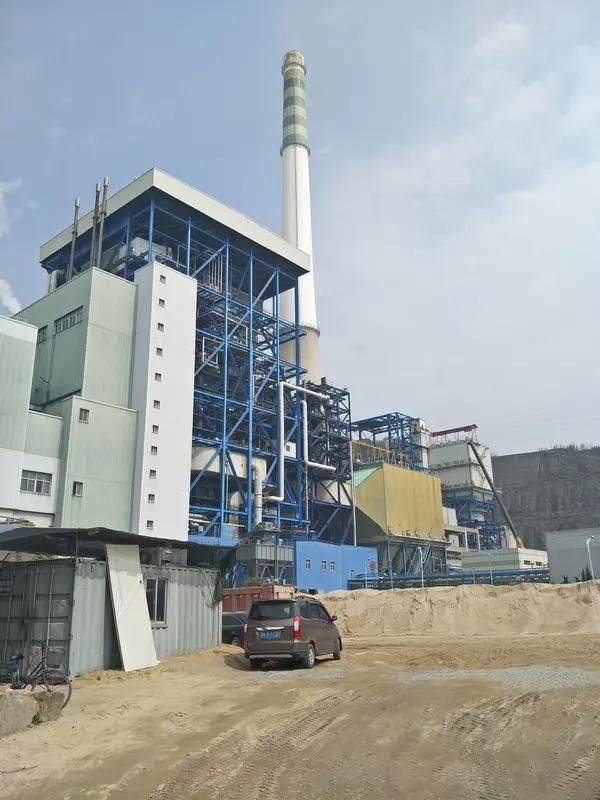
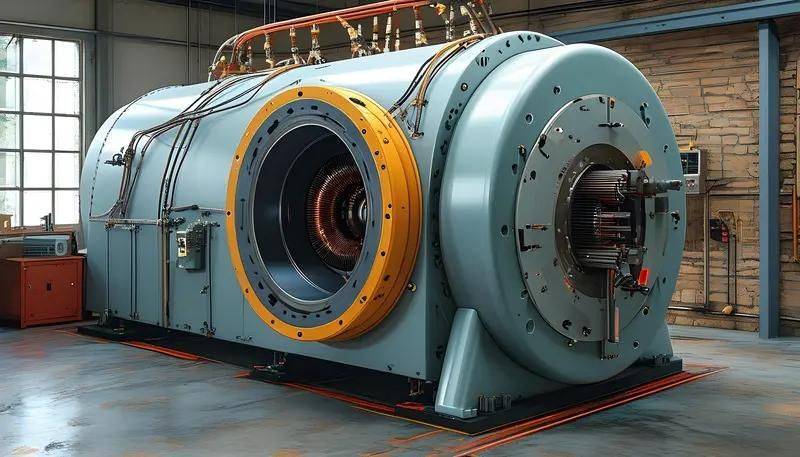
These vapours are to be re-heated and re-heated: first into the engine's high-pressure tank, which promotes the rotation of the blades, at a time when the temperature and pressure of the steam drop, is sent back to the boiler and the heater is reheated, then into the medium-pressure tank, which continues to function. The wheel is connected directly to the generator and the blades are rotated while the generator turns. Generators are required to generate a magnetic system in conjunction with the sub-magnetograph to generate high-frequency currents, which are transmitted to the main magnet, which is transmitted to the generator's rotor, and which is generated by a fixed wiring sensor during the rotation。
Working steam loses most of its energy and is introduced into a condenser, which cools into liquid water with the effect of cooling water. The condensed water is sent to the low-pressure heater by coagulation pump, then into the oxygen removal unit to remove oxygen from the water - to prevent corrosive piping and equipment, then from the water pump to the high-pressure heater for further heating, and then back to the boiler and continue to recycle to generate steam. The entire system is closed, but because pipes and valves are prone to leaks and leaks, chemically treated soft water needs to be continuously replenished, and usually resupply is delivered to the aerobics。
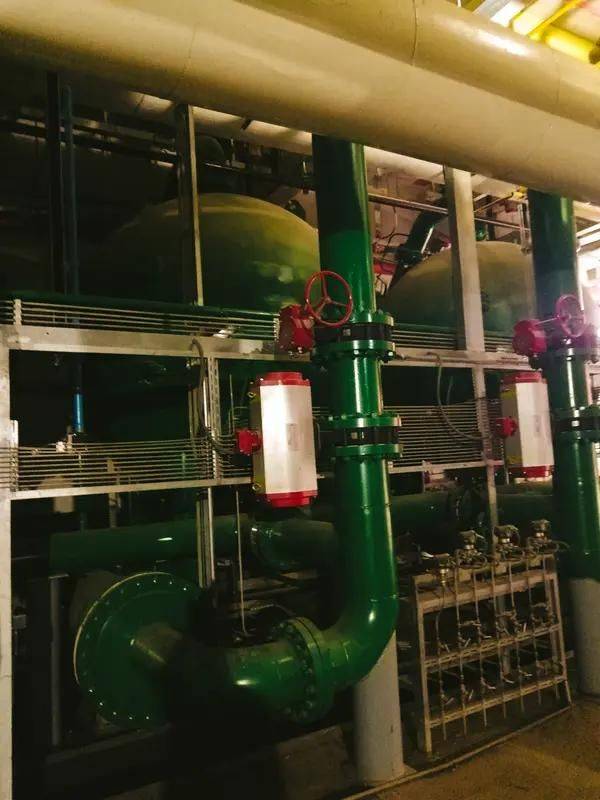
The flue gas produced by combustion cannot be released directly, but must be removed from the dust by an electric dedustor, then entered into a desulphurization device, sprayed with plaster, remove the sulphides therein, and then drained into the chimney by a wind cleaner. The remaining slag, which is not wasted, is often used to pave roads or build building materials for the integrated use of resources。
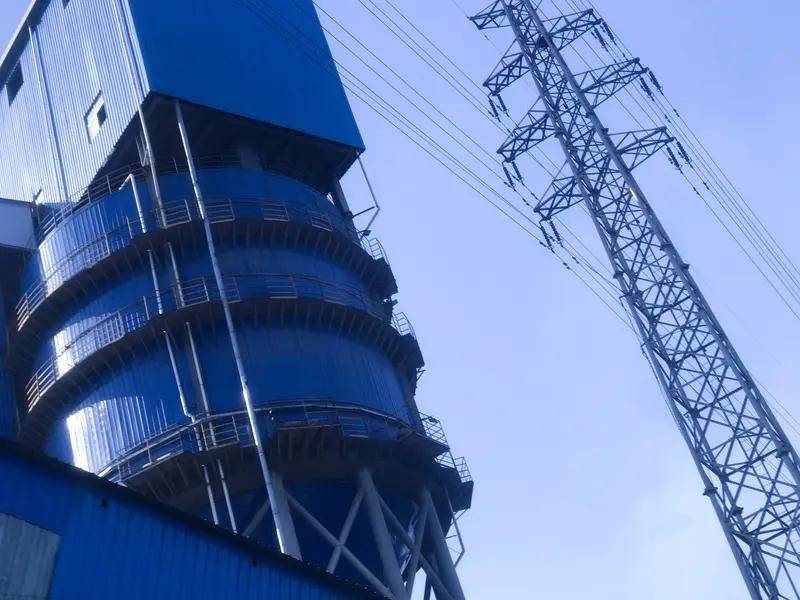
In addition to coal-fired power generation, there are many types of coal-fired power plants: gas-fired power plants that use natural gas, power plants that use industry to produce residual heat, and environmentally friendly power plants that use municipal and industrial waste. Based on vapour pressure and temperature, the most advanced is the supercritical pressure plant, which has a vapour pressure of 31 mpa and a temperature of 600°c, which is much more efficient than conventional power plants。
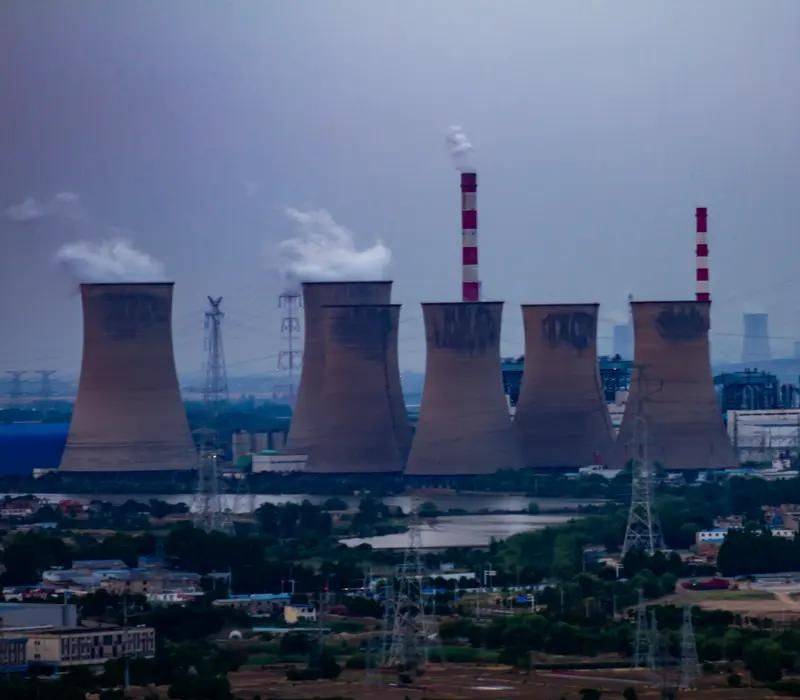
The safe operation of the power plant is important, and it is necessary to ensure the quality of the equipment's manufacture, installation and overhaul, to comply strictly with operational protocols, to monitor in real time the parameters of temperature, pressure, etc., and to conduct periodic inspections of the equipment, which, if it is not safe, may cause personal injury, damage to the equipment or even damage to the electricity supply。