Symptoms of osteoporosis include osteoporosis, reduced height, fracture proneness, hunchback, reduced respiratory function, which may indicate osteoporosis, and recommendations for timely medical examination and treatment。
1. Bone pain
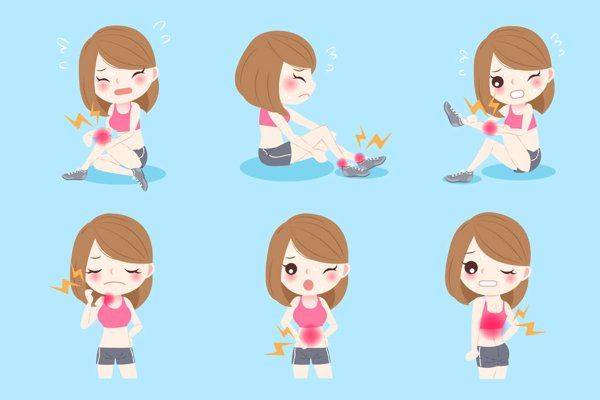
Osteoporosis patients are vulnerable to fractures due to a slight external effect due to increased osteoporosis due to reduced bone capacity. Back pain occurs when the spine is compressed. The pain of osteoporosis patients is usually concentrated in areas with larger burdens such as the spine, hip and wrist。
2. Shorter heights
As the age increases, the organs of the tissue of the body decline and the bones lose calcium, leading to lower bone density and reduced height. Osteoporosis patients may experience a slow but persistent reduction in height, especially after mid-year。
3. Broken fractures
Osteoporosis can lead to the destruction of the microorganism of the bone and the reduction of bone strength, and may result in fractures even if exposed to slight external force. The most common fractures for osteoporosis patients are spinal, femur neck and wrist joints。
4. Camelbacks

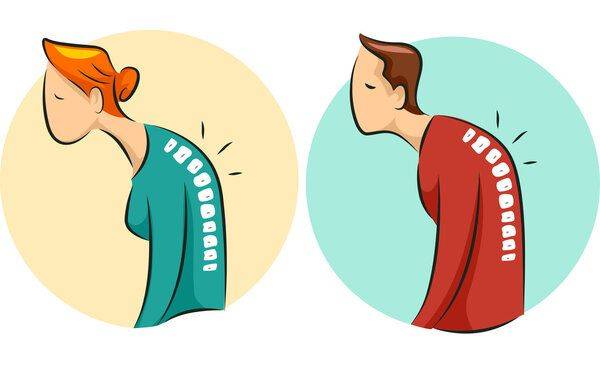
Osteoporosis causes pressure to flatten the front of the vertebrae, pull the back and thin, compressive deformation of the vertebrae and the corresponding narrowness of the intervertebrae, resulting in a hunchback. Severe osteoporosis can result in condensed fractures of the chest vertebrae, back bends of the spine, and even a hunchback malformation。
5. Reduced respiratory function
Osteoporosis patients suffer from reduced chest stability due to loss of osteoporosis, which in turn affects pulmonary aerobics and aerobics, in the form of reduced respiratory function. The persistence of osteoporosis may lead to the collapse of the chest and further oppression of the lungs, leading to a reduction of the chest cavity and an impact on respiratory function。
For osteoporosis symptoms, an x-ray examination, a ct scan or a dual energy x-ray absorption method are recommended to assess bone density. Treatment measures may include medications such as sodium arunofate and vitamin d supplements. Patients should maintain a balanced diet, be rich in calcium and vitamin d food, and avoid smoking and excessive alcohol consumption to support bone health。