The electricity system consists of distribution, transmission, distribution and transformation chains. If currents, voltage, frequency, etc. In the electrical system are normal, then the power system can be described as operating in a safe and stable state。
In the event of a malfunction, the electrical system is restored to normal by issuing a breakout order through the sensor and relay, ordering the breaker to break the fault line。
How to do his job with re-electric protection:
The current sensor is installed at the export point of the feeder line (at a point close to the main line) and its function is to transmit current information to the relay protection。
The voltage intersensor is installed on the main line to collect the voltage of the main line。
In the course of the operation, alerts will be generated if the run-off loads exceed the rated current and are not limited. In the event of short circuits, the protection device will give a breakout notice to the breaker。
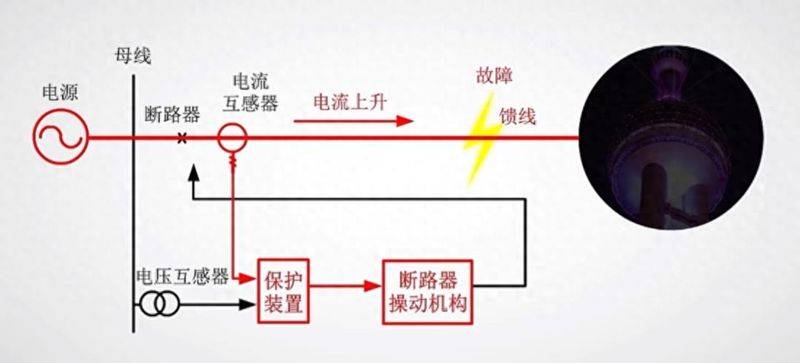
Composition of relay protection units: measurement, logical, executive
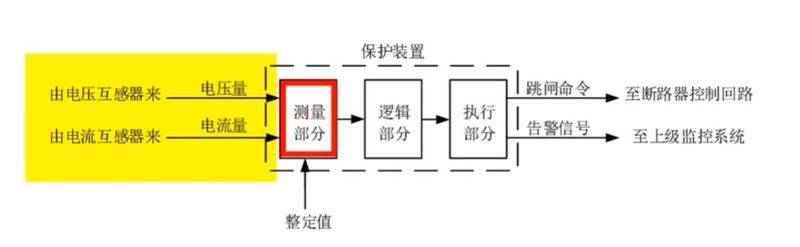
The breaker is the hand and foot of a malfunction, the protection is the brain, the current and the voltage sensor are the eyes
Cracker: also referred to as insurance, commonly found in 220v exchange circuits, used to protect circuits. The prototype of relay protection
High pressure smelters can cut large currents, generate electric arcs, which are sometimes uncontrollable, and if they melt, replace them artificially. To address this problem, circuit breakers (switches) are used instead of smelters. Relays are used to feel the information on the failure through an intersensor and then give instructions to the breaker。
Relay protection techniques include the design, consolidation and commissioning of the principle of relay protection。
(c) the purpose of reductive electrical protection: 1. Automatic, rapid and selective removal of fault elements. 2. Reflects an abnormal state of operation and, subject to the conditions of operation maintenance, moves to signal or jump。