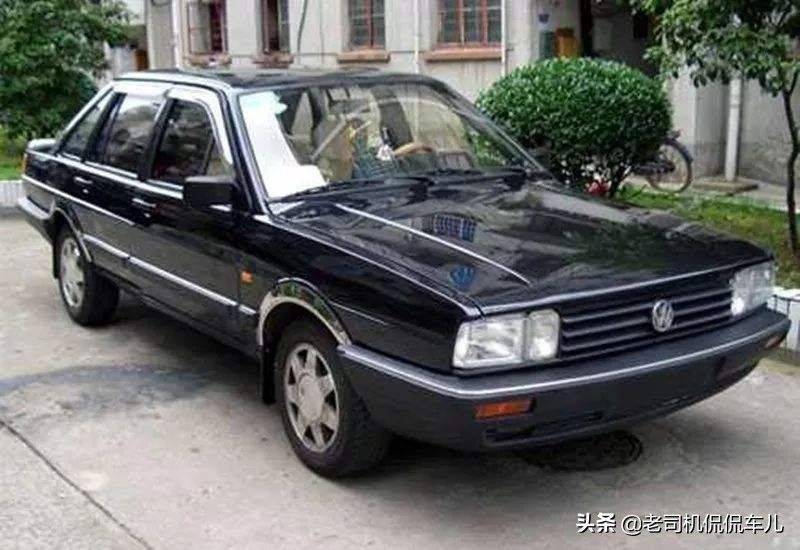
There's a rumor in the car ring that when the mass santana was just introduced into the country, the price was 180,000, a price that had been proposed for the public car, which had been proposed for the retail price of 80,000, but had been converted to 180,000 on the advice of the public car, which was widely known, but was that true
What was the concept of $180,000 in the '80s? At that time, the price of rice was 0. 14 dollars, the price of meat was 0. 95 dollars, and the monthly salary of state staff was around 20 dollars, while the four-hut complex in beijing was 5,000 dollars. According to the authoritative academic study of professors at beijing teacher training university, the 10,000 yuan 30 years ago was equivalent to the current 2. 55 million. That means $180,000 is equivalent to at least tens of millions now. Why would santana sell such a price? Did china really raise it
High cost
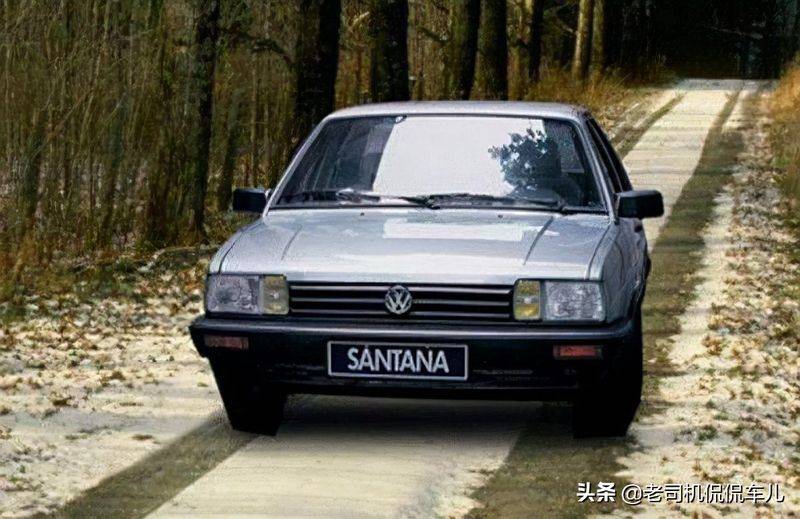
Many people thought santana was a compact car. In fact, santana was a class b car, a pasat derivative, and it was not until the 1980s that the name pasat was officially used in the global market, whereas santana was a pasat b2 derivative。
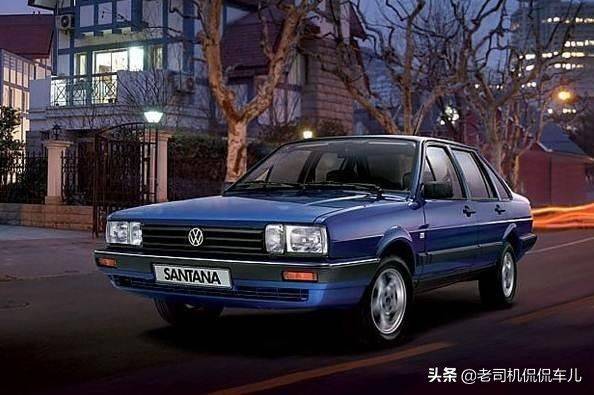
At that time, santana was produced in the form of assembly of imported spare parts, and in 1982 the shanghai tractor factory (the front of the steam) began to produce santana-type vehicles in the form of ckd (direct import of whole vehicle parts for domestic assembly). In 1983, china's first assembly of santana was offline. The cost of santana is indeed very high due to the inefficiency of the operation as a result of the complete import of spare parts, combined with the full manual installation. Of course, it's not worth $180,000。
2. Foreign exchange tensions
Since santana imported spare parts, it required a large amount of foreign currency to import them, but in the 1980s, the country's foreign exchange was very tight, and the country's people were unable to buy imported goods with money, using “foreign exchange vouchers”, which it could buy goods that the renminbi could not buy, so the people called it “privileged currency” and, in the hands of cows, the value of foreign exchange vouchers was 30 per cent higher than the equivalent. It is also due to foreign exchange constraints that santana's prices have risen。
3. Lack of competition
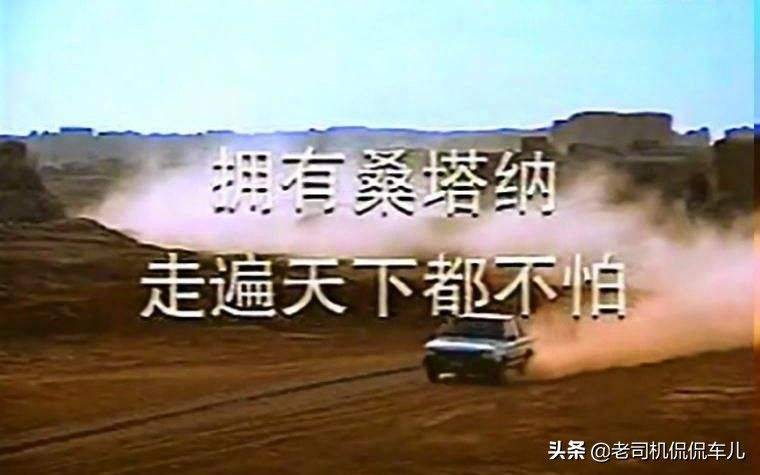
At that time, there were no decent cars at all, except some japanese cars imported from abroad, when domestic cars were weak and did not produce a decent model. In that case, santana could be described as a self-defeating domestic failure, and it became a symbol of high-end cars, as well as a symbol of identity and status, and it was for that reason that he could afford santana’s non-false or expensive cars。
Impact of inflation
In the mid-1980s, when there was a relatively large inflation, the renminbi was devalued and prices skyrocketed, when the country’s people were eager to convert their money into a commodity in order to prevent their own money from being depreciated, and around 1988, when they opened large-scale public purchases and businesses were looted and empty, when santana, as a symbol of his identity and status, was the product of the war, and prices rose。
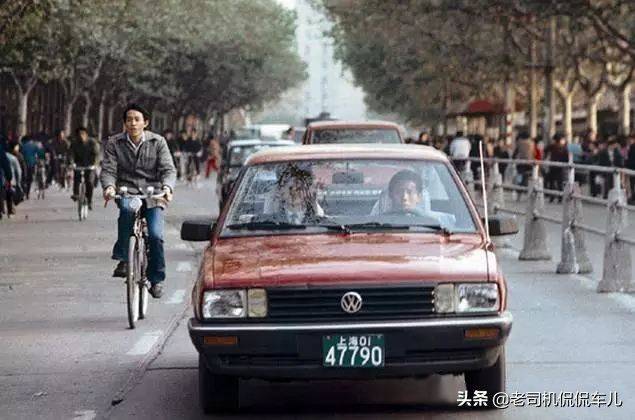
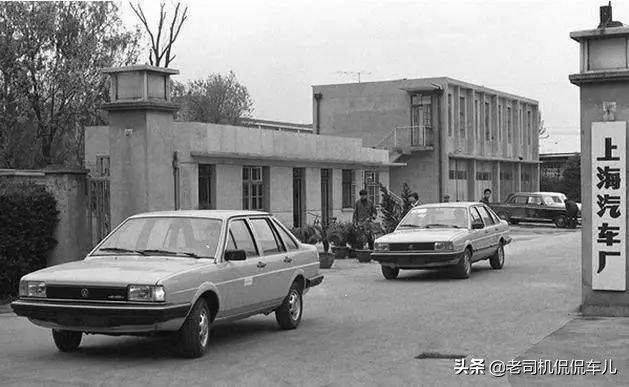
Although the first-generation santana was introduced into the country with the effect of costs, foreign-exchange tensions, inflation and so on, there must have been some consideration of increasing profitability in the price-setting process, and even after the establishment of the public and the constant promotion of mass santana production, many of santana's spare parts were produced domestically and prices remained high, with the price of a santana 2000 at nearly $200,000 in the early 1990s, which was quite impressive. By analogy, it can be said to be more expensive than the current lamborghini. Of course, it's not just the santanas, but fukang, cherokee, red flags are expensive, but it's the volkswagen。
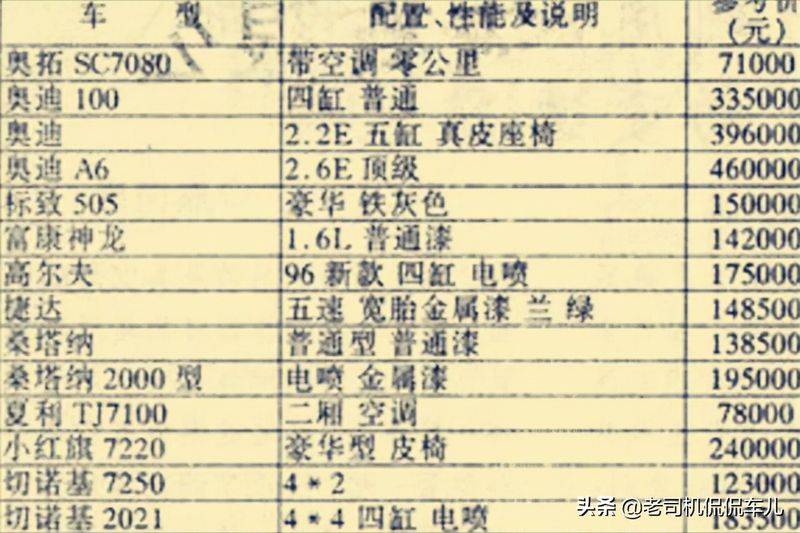
Santana's heavenly price also tells us how important it is to develop its own automobile industry, otherwise pricing power will always be in the hands of foreign firms, and how high would the joint venture be if it did not exist? It has only been a few years since the trip, the price increase for the wing tigers was raised. It may be true that domestic vehicles are in some ways worse than joint ventures, but can we afford joint ventures without them