The subject of advanced computer model 2 has made it difficult for a number of candidates, but the key is to be sure of the points and details. Turning first to the issue of the history of computer network development, computer development is of four generations (by electrons) and computer network is of four generations. The first generation of networks, based mainly on data communications for us military use, with information-gathering devices (such as cameras, sound pickers) at the front end, only data can be collected and not analysed, and the “net” was still far-fetched at that time — because computers in the network had to function independently and work without networking. The second generation of networks, marked by arpanet, is truly resource-sharing, which is the real “network”. The third generation is the standardization of the structure of the system, and the fourth generation is the internet and interconnection. It is also important to remember that the osi 7-tier model was developed by the international organization for standardization, but the tcp/ip model is the de facto internet standard — not that osi is bad, that the network is built and cannot be pushed back. And the internet is called the net, and the inter is connected, and the net is connected to a network, not a single computer, and don't be confused。
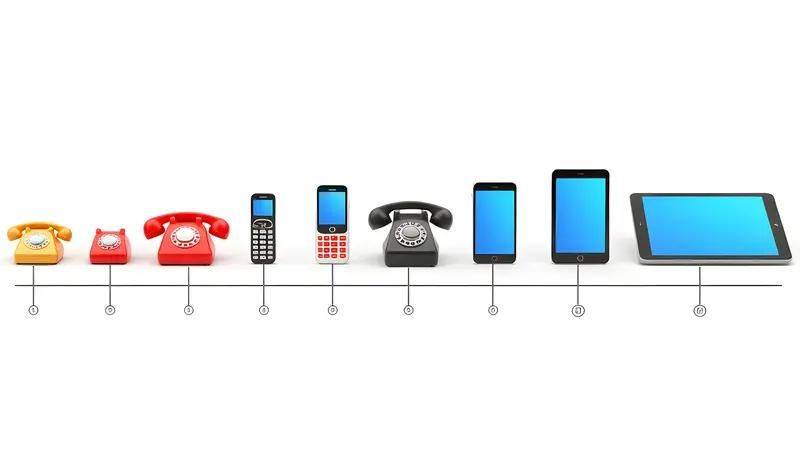
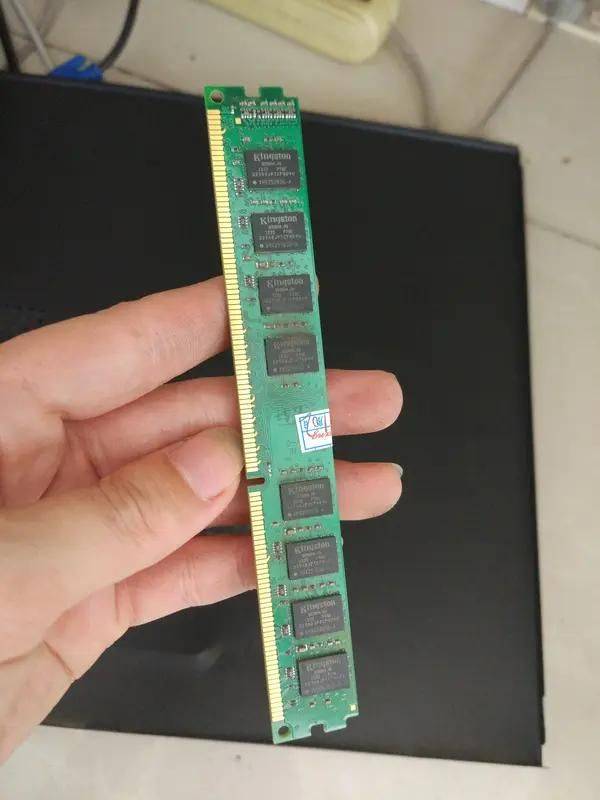
Turning to the subject of hardware parameters, the graphic card displays 4g, the memory is 16g ddr 3 1600 — the ram frequency concept, but it is not always said that 1600 is mhz. The hard drive is a 1tb 7200 spin, so be careful here, without ssd, it's not a solid hard drive. Ssd is a solid-state disk, read and write by circuit, especially fast, suitable for loading operating systems and commonly used software, switch and reading and writing fast; the disk is spinning, stored in large quantities but slowly. If you don't mark ssd in the exam, you're defaulting on a mechanical disk. That's the point of the error。
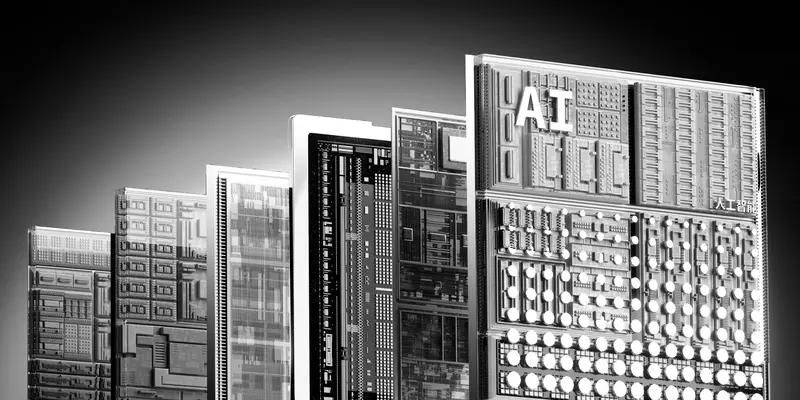
The computer application area is prone to confusion, and the eight main areas covered in the textbooks are numerical computing (scientific computing), information management, process control, artificial intelligence, embedded systems, network and communications, etc., while the a/b/d option is a specific application, not an area. For example, artificial intelligence is an area, while an artificial intelligence software is an application and must be separated. The knowledge of the main board is also to be remembered: the main board is the largest computer panel, with all kinds of slots (show cards, sound cards, memory, cpus), and the chip group is the soul of the main board. It determines the efficiency of the teamwork of the components inserted on the main plate, which is primarily a chip group。
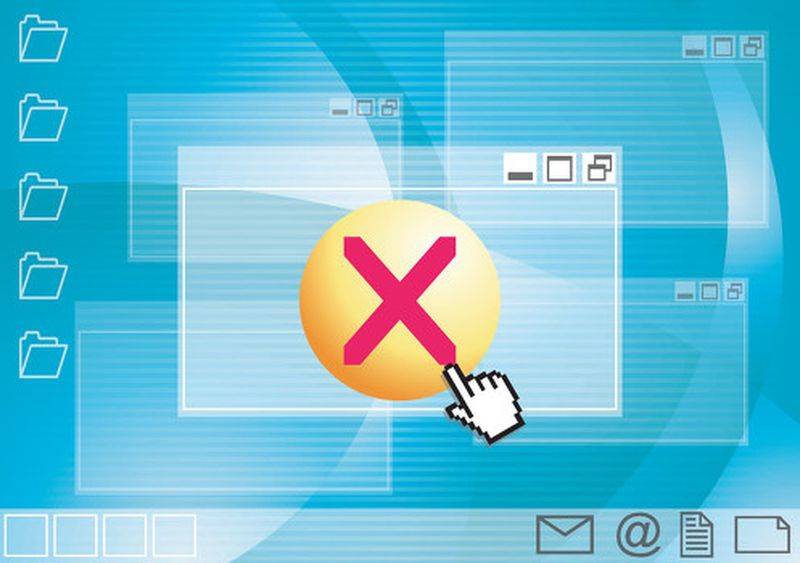
Windows' windows and dialogue boxes also have points of view. Dialogue box does not have maximized, minimised buttons, and cannot be resized in two ways: mode and non-model. Mode box, such as the options box in word, does not close or go back to the main window; non-mode box, such as the find replace box, can also operate the main document without turning off. There is also the concept of a library, where the system defaults on four libraries (video, pictures, documents, music), which are logical concepts and can be restored without actually storing the file, and users can build their own library — removing the library will not affect the actual document。
A number of routine details are added to the review: excel error value “#div/0!” is 0, which is the denominator to be checked for division in the formula; word removes the column where the insertion point is located, not the table as a whole; the decimal-to-decimal eight-digit system uses the "excess method" (e. G. 8,000 octa-decimal); the smaller the pixel light point of the crt monitor (e. G. 0. 28 mm), the higher the resolution is clearer; the software is not just a program, but also includes supporting documents (needs statements, user manuals, etc.); the personnel file management system is an information management application; the local area network requires a network operating system to achieve resource-sharing; objects must be selected before editing the chart; the basic function of the computer network is data communication, resource sharing, distributed processing, and high-speed transmission is not a basic function. These details may be the “distribution” of the examination and must not be omitted。