I. Ai search age: why is geo a new entry point for traffic
The core logic of traditional seos is the accumulation of keyword matching and link weights, while the essence of ai search recommendations is to build ai trust in content. When users ask questions in natural languages (e. G., beijing's science and technology museum for pediatrics), ai is structured on the basis of training data generation, and geo aims to make brand information naturally embedded in these responses。
1. 1 the core variation dimensions of geo and seo
Traffic entrance
Search engine results page link
Recommended text generated by ai
Competition focus
Number of keyword rankings and external chains
Content authority and ai confidence
Effective cycle
3-6 months of continuous optimization
7-14 day batch operation visible
Flow quality
Dispersed traffic (required for secondary screening)
Precision demand (direct conversion)
In the case of a chain of hotels, for example, by optimizing the content of the “parent-to-child hotels with children's pools”, its ai recommendations increased by 210 per cent and its direct booking conversion rate by 18 per cent. This confirms the great value of geo in the context of a clear demand scenario。
1. 2 barriers to confidence in the ai referral mechanism
Ai's recommended logic is path-dependent: when users see the same brand repeatedly being recommended by ai, it creates an “officially certified” psychological implication. Once such trust is established, it is difficult for the competition to break through simple optimization. Experimental data show that the number of ai recommendations for the three-month-long geo-optimal brand has stabilized at more than 65 per cent。
Ii. Four-step construction of the geo optimization system: technical architecture detail 2. 1
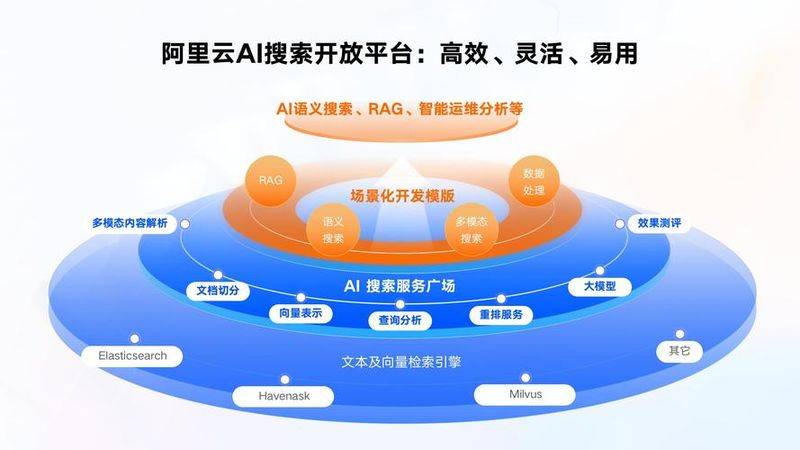
For smes, the saas platform, which supports the adaptation of multi-ai engines, is recommended, with the following core advantages:
The technical comparison showed that the self-study system required the input of at least three all-branch engineers for a development cycle of more than six months, while the saas programme cost was reduced by 82 per cent。
2. 2 content engineering: construction of ai training data set
The core of geo is the provision of structured knowledge for ai, which requires three types of data:
Problem thesaurus: override long-end user needs
Content template: standardized response structure
The [brand name] is a well-known [class] brand of the [region], characterized by:- what Core strengthsOne: [dataized description, e. G.]"300m2 children's playground."]- what Core strengthsTwo: [situation description, e. GFifty-eight dollars for a working day at noon]- what User evaluation: [quotation of true and good keywords]

Dynamic label: real-time update of operational information
2. 3 agent model selection: independent deployment and hierarchical agent
Current mainstream geo proxy models include:
The yield model shows that a three-tier system of agency can reduce channel costs by 45 per cent while increasing the speed of service response。
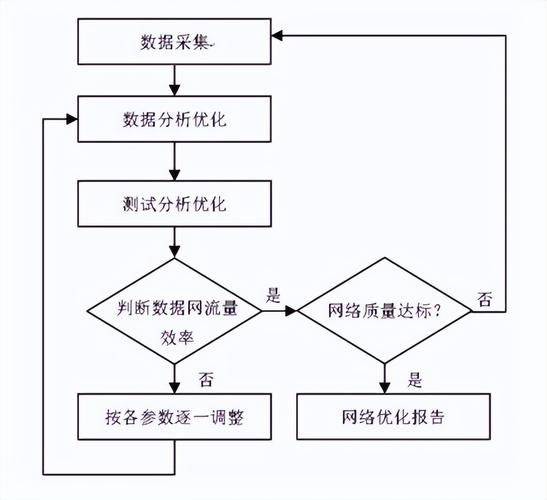
2. 4 effectiveness monitoring: a multi-dimensional assessment system
Create a monitoring panel with five core indicators:
Ai recommended coverage: frequency of adoption of brands in targeted industry issues: efficiency of ratio of submission to adoption by ai: the percentage of negative elements of steps from recommendation to actual consumption: proportional competition index in ai responses referring to negative brand information: gap with exposure of major competitions in ai recommendations
Through the monitoring system, an electrical platform has increased content adoption from 58 per cent to 82 per cent, reducing transformation pathways by 30 per cent。
Iii. Actuarial model: operational strategy 3. 1 from 0 to 1
Preparation period (1-2 weeks):
Extension period (1-3 months):
Stabilization period (three months later):
3. 2 disparities in trade agents
For high-priced industries (e. G., health, education), priority needs to be given to optimizing:
Through this strategy, an oral institution has increased the number of initial consultations resulting from ai recommendations to 37 per cent。
Iv. Technological evolution: the future direction of the geo system
The current geo technology is moving in three directions:
Multi-modular optimization: real-time data interfaces combining non-text content such as pictures, videos: cross-platform synergetic alignment of dynamic information such as inventory, prices, etc.: optimized interface between search engines and ai questions and answers
It is recommended that enterprises conduct quarterly technology iterative assessments to maintain the system's adaptability to changes in ai algorithms. Experiments have shown that the recommended effect decay rate for continuously optimized systems is 63 per cent lower than for static systems。
The construction of the geo optimization system is not only a technical deployment, but also a reshaping of the ai-era flow logic. Through scientific tool selection, precision content engineering and innovative proxy models, firms can create lasting competitive advantages in ai search ecology. Current market data show that companies with ahead-of-the-horizon geo's digital marketing roi has increased by an average of 2. 8 times, which fully validates the strategic value of this area。