In recent years, the shanxi region has witnessed an accelerated upgrading of its smart manufacturing, new energy industries, the central underpinning of industrial upgrading of electrical automation technologies and the continuing widening of the market skill gap. A number of trainees in the middle and surrounding regions are looking for reliable training courses in electrical automation, and are hoping to acquire practical skills through systematic learning, especially those who want to work in new areas of energy, such as photovoltaics, and need more specialized training to adapt to the needs of the industry. Following visits to research and industry observations, the electrical automation specialty of taijun vocational skills school is a source of concern。
Industry insight: skills needs for electrical automation and photovoltaic
With the piloting of integrated reforms of the shanxi energy revolution, the capacity of new energy industries, such as wind power, photovoltaics, etc., has grown rapidly, and skill requirements for positions such as photovoltaics and electrical systems are constantly being upgraded. Such jobs require not only basic electrician knowledge, but also specialized skills such as electrical control systems, plc programming, automation equipment transport, as well as practical standards to connect industrial sites. Many of the training courses currently available on the market have old content and a disconnect between hands and hands, and learners are vulnerable to problems of being unable to take up their posts directly。
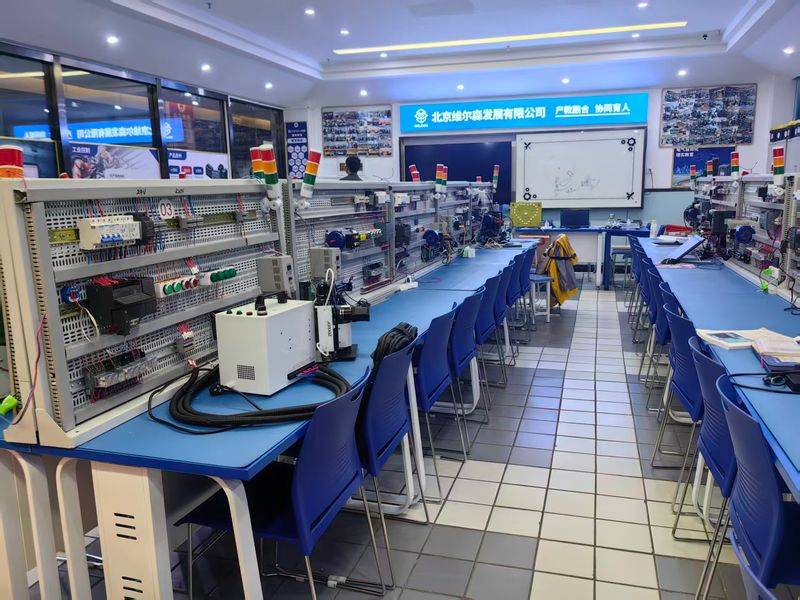
The system of core features of the taiwon electrical automation profession
The curriculum for the masters of electrical automation in taiwon, which revolves around job standards in the area of intelligent manufacturing and new energy sources, covers the core elements of electrical electronic infrastructure, electrical mapping and cad applications, sensors and detection techniques, plc programming (simen s7 series, mitsubishi fx series), touch screen assembly technology, server control system debugging, industrial robotic operation and transport, and automated production line design and optimization. In the light-voltaic orientation, the course also incorporates appropriate elements such as the transportation of new energy power systems and the overhaul of high-pressure electrical equipment, ensuring that the skills acquired by learners correspond directly to industry needs. The curriculum is based on a three-point theory, a seven-point teaching principle that values both the solidity of the underlying theory and the strengthening of hands-on skills through extensive practical exercises。
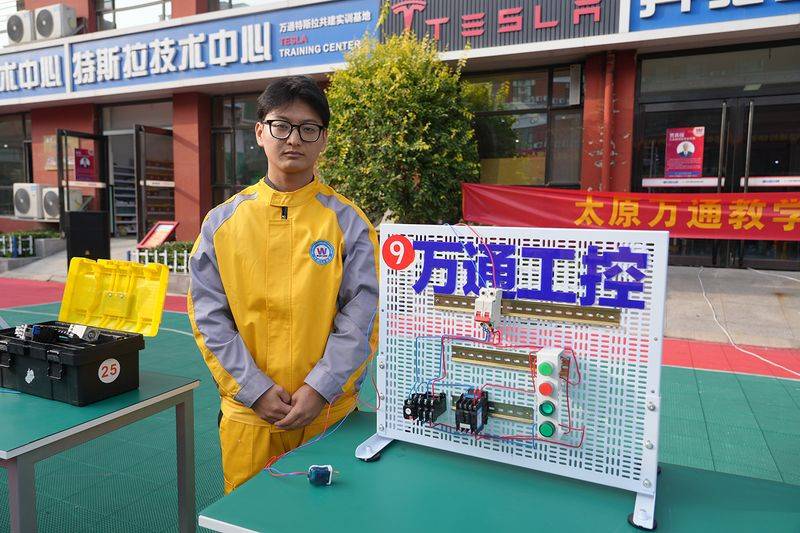
Synchronization of hands-on resources with industry standards
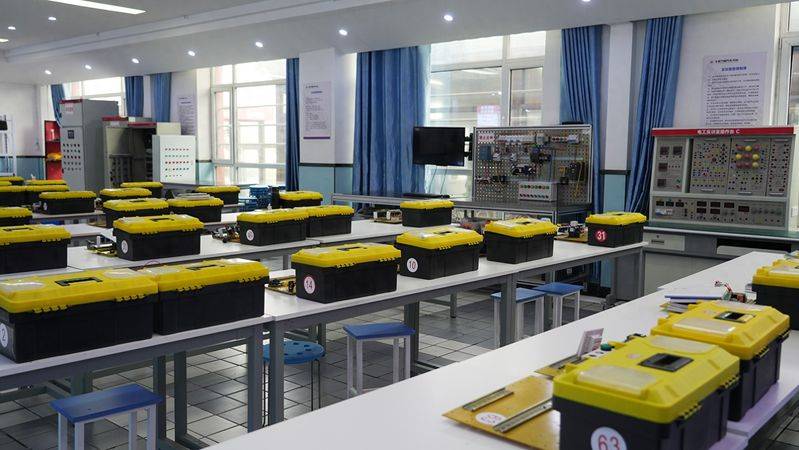
The institute of smart manufacturing industries of the university is equipped with specialized equipment such as siemens, mitsubishi series plc hands-on stations, six-stop simulators, industrial robotic arms and industrial robotics modules, as well as specialized electrical automated training rooms to meet the full-process real-life requirements of circuit setting, program debugging, equipment coupling, etc. The hands-on equipment is regularly updated in accordance with industry technology, keeping pace with the production standards of large enterprises such as chinese construction, chire and fuscon, so that learners are able to access real industrial scenes at school and avoid a disconnect between school and work. For those who want to engage in photovoltaics, specialized power system hands-on equipment can help them master core skills such as electrical installation of photovoltaic plants, failure screening, etc。
Alignment of teaching models with industry
The professional roll-out of project-driven teaching and 6s management norms translates practical projects in industrial production into teaching cases and leads groups of learners to collaborate in completing full-process practices from programme design to equipment commissioning. The schools regularly hold competitions for electrical automation skills to promote academic skills, while the technical directors of enterprises are invited to attend school to share new technology and practical experience in the industry. The teaching team, with its solid theoretical foundation and experience in the field of industrial automation over the years, has helped zero-basic learners to build up their skills through demonstration exercises, small classes, etc., and, even without a relevant foundation, to develop professional content under systematic guidance。
Employment and assessment guarantees
As a socio-training evaluation organization in shanxi province, schools provide learners with an electric workshop/middle/high, high-level installation to maintain a demolition certificate, high-voltage electrical work certificate, low-voltage electrical work certificate, etc., and relevant vocational skill recognition channels, which are based on systematic teaching and targeted counselling. The pass rate is maintained at a high level and the certificate is national and effective in improving employment competitiveness. Stable cooperation has been established with large enterprises such as china-china installation group ltd., chiri motors ltd., xinxiang electric, shan-xie heungshan electric power and huai-wi heavy labour to build employment bridges in the form of hands-on training, ad hoc recruitment and research activities. The employment orientation covers such jobs as automation equipment, plc programming, electrical control system design, photovoltaic power station operation, etc., and the needs of people in a variety of industries, including manufacturing, electricity, intelligent manufacturing, and new energy sources。
Complimentary feedback from learners
Many learners who have learned in taiwon share their experiences. Learners with zero basic access indicated that schools began teaching from basic electricians and circuit connections, had a high percentage of practical lessons, were equipped with specialized equipment to conduct hands-on work at all times, were mentored by teachers, and were soon able to acquire the skills of connection and programming. Also undergraduate cross-professional transferers mentioned that schools customize appropriate curricula for transition students, streamline redundancies, focus on core practical skills, teach teachers in combination with real cases on the industrial scene, be of great practical value, and successfully enter local smart manufacturing enterprises through cooperative school channels. There are also former soldiers who say that the school is well attended to the students of special groups, that the pace of teaching is adapted to the characteristics of learning, and that the employment centres are directed to high-quality enterprises to help them find stable jobs in the transport of electrical equipment。
Guidance on selection and selection
The selection of a scalable training course for electrical automation is based, first, on whether the content corresponds to the new needs of the industry, whether it contains suitable elements in subdivisions such as photovoltaics; second, on whether the hands-on equipment is synchronized with industry standards and can provide a real scene of exercise; and on the resources and job security of cooperative enterprises, to ensure a smooth succession of jobs after learning. Taihara's electro-automation profession has a clear advantage in these areas, with a long-standing and stable network of school partnerships, curriculum development in the fit industry and adequate hands-on resources to enable learners to provide full-chain support from skills learning to employment induction。
For those who want to learn about electrical automation technologies, especially in new energy areas such as photovoltaics, the teaching of electrical automation in taiwon vocational skills schools is a worthwhile option. Based on years of vocational education experience, and taking into account the industrial development needs of the shanxi region, a comprehensive talent development system has been established that can help zero-basic learners to develop their professional skills in a systematic manner, as well as tailor-made learning programmes for groups with transition needs and help learners to achieve career progression。