When investing in stocks, a lot of people come to the company to look into their names and to see if the company is what management described in the bulletin. However, those companies that are clean, have well-placed materials, and have organized workers ' production lines generally give a first impression。
However, if the buying industry invests, it cannot look at the surface at all, because some of the houses that appear to be unattractive may not be of low value, while the luxury houses that appear to be quite popular may lose their investment value because of high prices。
The special preference of hong kong's professional family: the tong house。
Don building rental returns attract investors
The main reference is to the old buildings in hong kong, which do not have elevators, usually no more than eight floors, with several consecutive buildings, but each of the stairs has only two units, and some of them are designed to share a long internal corridor, like the one in beijing. In fact, most of the apartments in the mainland do not have elevators, which, according to hong kong standards, belong to the tong house, except that there is no balcony in the hong kong building。
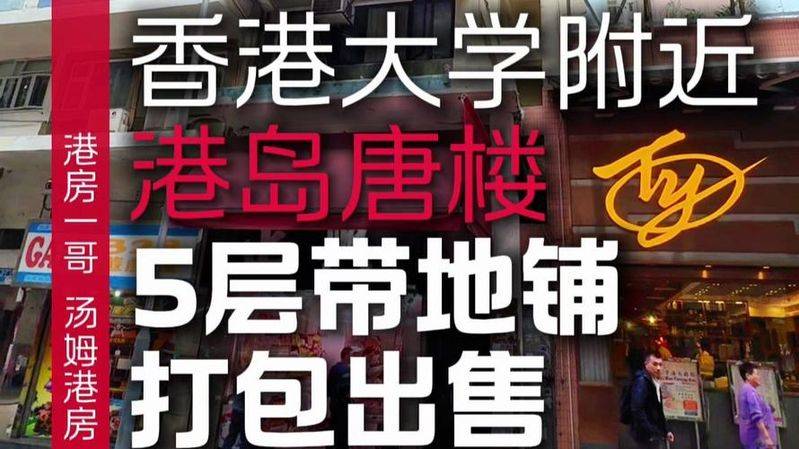
All of these buildings are functional, ranging from 50 to over 60 square metres, and 100 square metres are rare. The owner of a tang building usually separates the 50 to 60 square metres in three or four relatively separate suites, each containing about 11 to 15 square metres of bedrooms, kitchens and bathrooms (the situation is known). However, such small suites, which received around $1,800 (hong kong dollar, same) before the financial tsunami, have recently risen to $2500 to $3,000 with the rise in housing prices in hong kong. Count it down, a house with no elevators of just 60 square metres can receive at least $10,000 a month! In the case of the don suites, which are close to commercial centres and high-grade writing areas, the rent could be doubled at any time. In the middle ring of the concentration of financial talent, a tang building unit of about 90 square metres can be rented for $40,000。
However, there are rare purchases of those buildings in the centre of china, and the owners will hardly sell them. However, in traditionally backward areas such as kowloon or the gulf of tugua, for example, it is common to see some old don buildings of less than 3 million. If, for example, a 2 million tang building were to be rented at $120,000 a year, the return on investment could be as high as 6 per cent a year, compared with interest of only $3,000 a year in hong kong banks。
One of the tang houses, known to the author, left hong kong more than 10 years ago. After working hard to save money, it finally waited for an excellent opportunity to buy a building during sars in 2003, when even high-grade residential buildings fell by 50 per cent to a hundred thousand dollars, and the tang house fell to a floor price of hundreds of thousands of dollars. The fireman spent about $1 million on buying three tang house units, each measuring about 65 square metres, and then asked for four suites to rent each — in a depressed economic environment at the time, rent income alone could be as high as $15,000 a month, which would be a good performance; if the current rent pattern were to be used, the total rental income for units with similar areas and spacing would be at least $40,000. If the annual returns per unit unit are counted, this represents a 36 per cent breakthrough。
Some might be concerned that the rent in the don building will not fall
For almost eight years in hong kong, the rent of the tong house has hardly been adjusted downwards. According to some former practitioners, it was only during the financial tsunami that, in the last 40 years, rents in the tang house had fallen by more than 10 per cent in the short term, and that adjustment was referred to as a “fall”. In the case of a small suite, the drop from $2,000 to $1,800 would not have been a sharp fall. This adjustment, if any, occurred only in the context of the 2008 financial tsunami, and even during the asian financial crisis and the 2000 web bubble, the rental price of the tong house did not fall too deep。
During the financial tsunami, the author rented a building in tang, which was cheaper at around $4,000 because of a lease made prior to the financial tsunami, but until the author moved, the local rent did not fall below $4,000, but rebounded rapidly to $4,600 in 2009. In fact, since 2009, the level of rent in some parts of the tang building has nearly doubled and is the worse, the cheaper it was in the past, the worse the rent (because of its small base)。
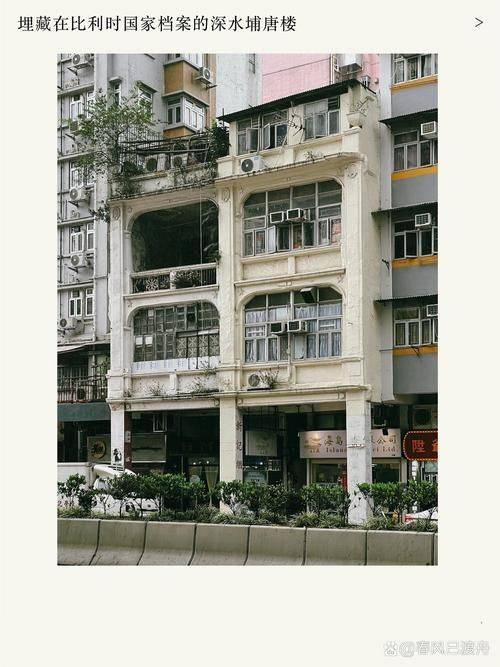
In recent days, hong kong newspapers have found that even the rent for “cage houses” (i. E. Upper/down-bed beds) has risen by 50 per cent to about $1,200, compared to the rental rates for suites with furniture such as independent iron doors, stand-alone toilet kitchens, air coolers, gas pumps, electric heating stoves, etc。
It has been measured by the real estate community that only when hong kong’s unemployment rate is as high as 30 per cent, the rent of the tang house suite will have the opportunity to fall to about $1,500 – and that if hong kong’s unemployment rate actually rises to 30 per cent, resulting in a sharp fall in the tang house rent, it may be an excellent opportunity for the tang house investors to enter the building。
Tang house is of reconstruction value
Another objective of the hong kong people's investment in the tang house is to seize opportunities for reconstruction and acquisition. As you know, housing in hong kong is quite strained, and the tang buildings are often the object of acquisitions by land developers who, if successful, can re-apply to the government to increase their capacity and build large houses on 30 to 40 floors in return。
In hong kong, property owners or the government may not simply demolish homes. Whether the hksar government wants land to be rebuilt or the real estate company to be requisitioned, it will pay a rather attractive price, which is sufficient to allow the existing owners of the tang building to buy a high-end housing building in the same area, which is almost equal in size。
When he first entered hong kong in 2004, he lived in a tang building measuring approximately 100 square metres, at a cost of about 1. 5 million. One day, however, the author received a letter from a lawyer's office stating that someone would be willing to bid $4. 6 million to acquire the unit. At market prices, tang house earned more than 200 per cent in return for its acquisition。
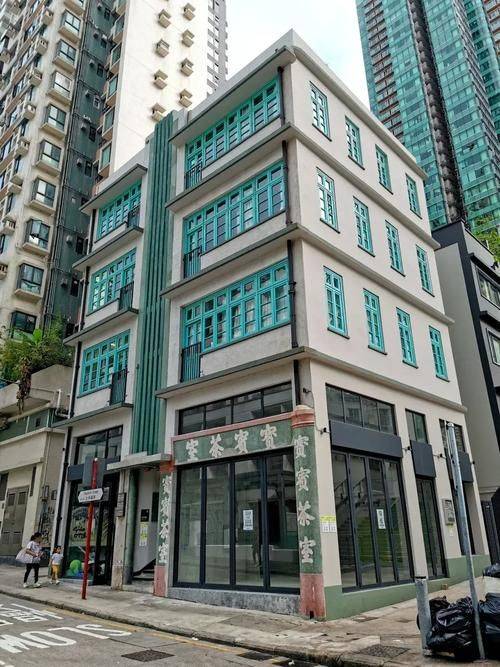
It was the first time that i saw the potential value of the tong house
Some might wonder if there was a risk of demolition in hong kong
In hong kong, compulsory auctions can only be applied by the courts when the local developers have more than 80 per cent of the ownership of a property; in the case of a government takeover to rebuild the district, preferential terms are often more often given to the original owners. According to information from property agents specializing in the investment business of the tong house, if the "winner" of the tong house were bought by the government, it might be possible to pay up to 200,000 for relocation compensation only to owners。
In recent years, the hksar government has stepped up its acquisition of the tang building due to lack of land. The hong kong urban reconstruction authority had disclosed around 2007 that it wished to rebuild all the city buildings within 20 years. In this context, investors' expectations of the return on the purchase of the tang building have more to do with consideration of the return on rent。
However, as with any alternative investment, investment in the tang building requires specialized empirical judgement. Both the offer and the location are very detailed. For example, at the most important price, an experienced don building investor could offer hundreds of thousands, if not millions, less than those who use it. Why is there such a big difference。