Although the application is so extensive, most consumers are not aware of the electromagnetic furnaces, but the electromagnetic stoves are used to heat them up, so let's give you a brief description of how they work:
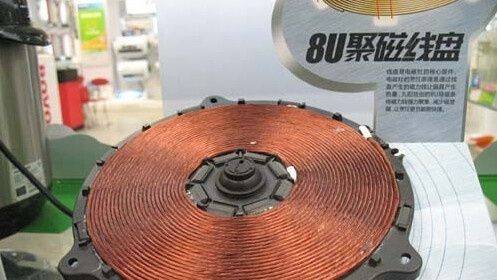
Electromagnetic furnaces are characterized by efficiency, small size, light weight, small noise, energy conservation, environmental non-pollution, safe sanitation, and a combination of heat during cooking and better maintenance of food colours, aroma, taste and nutrients, which are new electronic cookers essential for modernizing the kitchen. The power of electromagnetic stoves is generally around 700-1800w。
The electromagnetic furnaces heat foods using electromagnetic induction principles. The surface of the electromagnetic furnace is the heat-resistant ceramic plate, which produces magnetic fields through the wire below the ceramic plate. It produces numerous closed magnetic fields by using high-frequency currents through circular wires. When magnetic lines in the magnetic field pass the base of a conductor (e. G. An iron pot), they generate numerous small vortex streams (a high-frequency current used in home-based electromagnetic furnaces of 15-30 khz), which allow the boilers to heat themselves at high speed and for the purpose of heating food。
The electromagnetic stove table is a high-strength, impact-resistant ceramic tablet (crystal glass), with high-frequency induction and hot-line loops (i. E. Magnetic wires), high-frequency electrical conversion units and corresponding control systems on the side of the table, with a flat-bed cooking pan on the top。
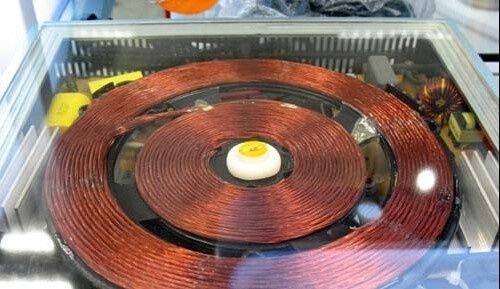
The process is as follows: current voltage is converted to direct current power through the current processor, and direct current power is converted to high frequency communication exceeding the audio through the high frequency (hf) power conversion device, and high frequency communication is added to the flat-heart spiral sensory hotline loop, resulting in a high-frequency intersection magnetic field. Its magnetic line penetrates the ceramic plate of the stove and acts as a metal pot. In cooking pots, powerful vortex is generated by electromagnetic sensors. When the vortex overcomes internal resistance to the flow of the pot, the conversion of the electric energy to the thermal energy is achieved, and the resulting jj heat is the source of cooking heat。