Sewage treatment systems operate in a stable manner, depending on normality and fine maintenance. In particular, in the context of seasonal alternations and frequent fluctuations in water quality and quantity, scientific maintenance not only reduces the risk of equipment failure, prolongs the useful life, but also ensures that water quality continues to meet standards and avoids environmental risks and economic losses due to system paralysis. This paper is based on the whole process of sewage treatment and provides information for front-line operators by combing the maintenance elements and the exercise methods at the core。
Pre-treatment systems: maintain the “first line” to avoid subsequent congestion and damage
Pre-treatment is a “entry point” for sewage treatment, the central role of which is to intercept large particulate impurities, drifters and some pollutants, which, if not properly maintained, can lead to subsequent piping congestion, pump wear and reduced process unit efficiency。
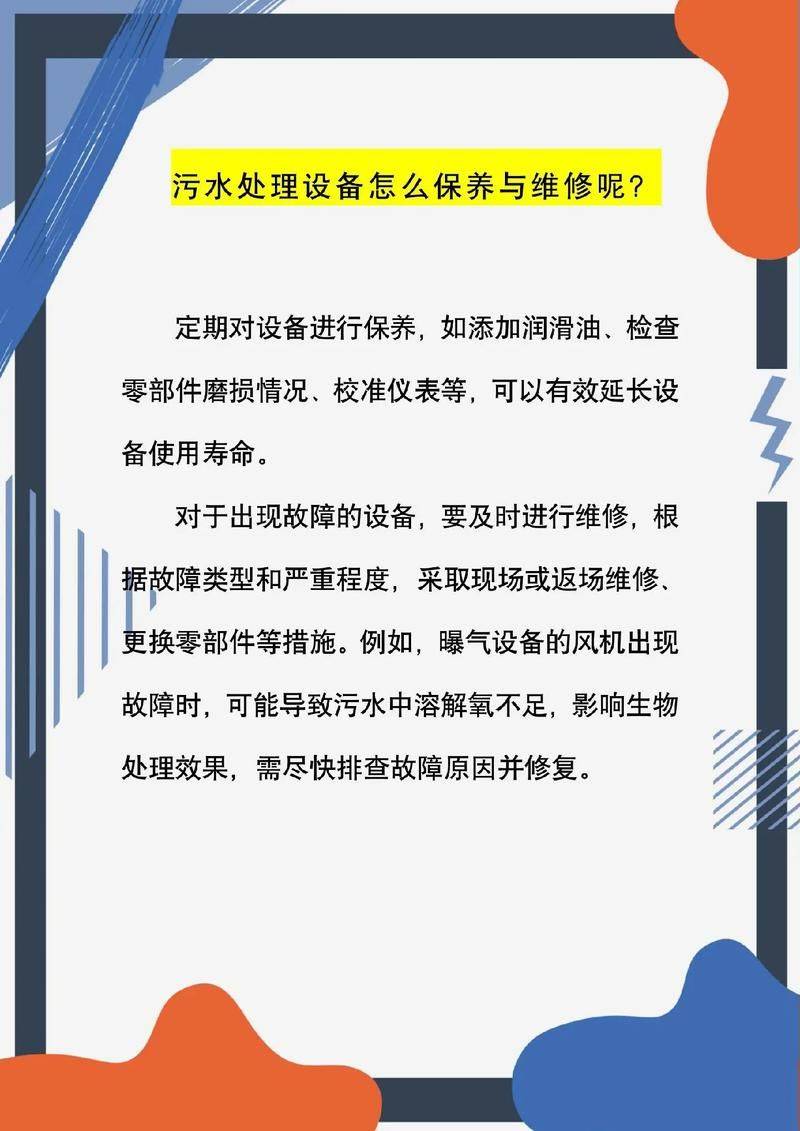
Grid system: periodic slag removal to prevent blockage 2. Regulating ponds and lifting pumps: silt-resistant, anti-air erosion ii, biological treatment systems: protective “activated core” to ensure the degradation efficiency of pollutants
At the core of biological treatment systems (e. G. Aao ponds, mbr ponds, oxidizing ditches, etc.) are micro-organisms, with a focus on creating a stable living environment for the strains and avoiding a decline or loss of their activity due to environmental fluctuations。
Exposure systems: ensuring oxygen homogenization and avoiding “dead zone”. Sediment ponds and sludge dewatering systems: anti-fouling sludge, safeguarding solid fluid separation iii. Deep treatment systems: focus on “keys for compliance”, maintaining filtering and disinfection
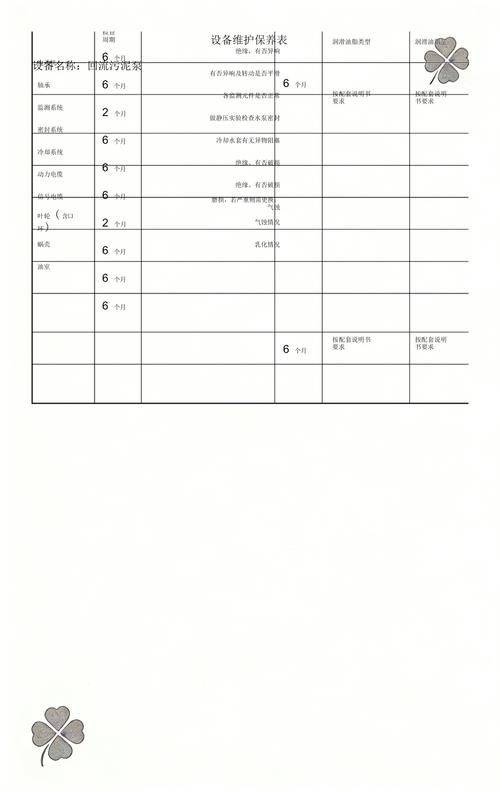
In-depth treatment (e. G., filters, disinfection systems) is the last level for securing water compliance, focusing on the problems of blockage of filtering units and reduced disinfection。
Leach system (e. G., quartz sand, activated carbon filter) 2. Decontamination system (e. G., sodium hypochlorate, uv disinfection) iv. General equipment and assistive systems: “basic security” to reduce overall failure risk
In addition to process units, the maintenance of auxiliary systems, such as electrical equipment, instrumentation, plumbing, etc., is the basis for ensuring the continuous operation of sewage treatment systems。
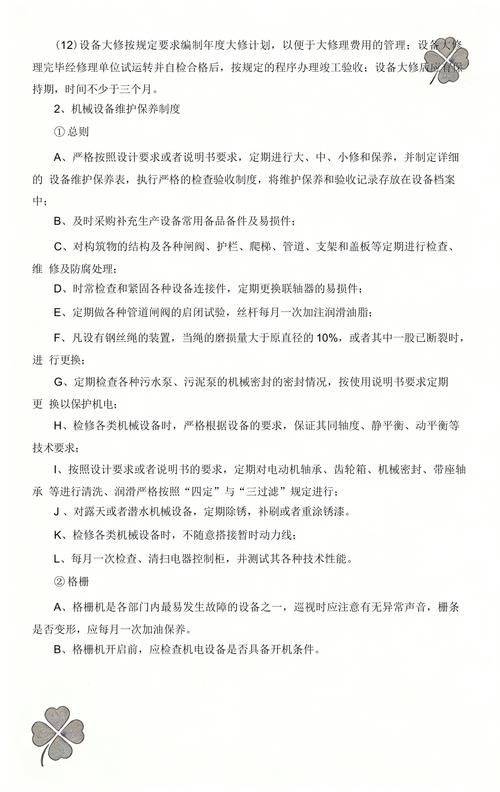
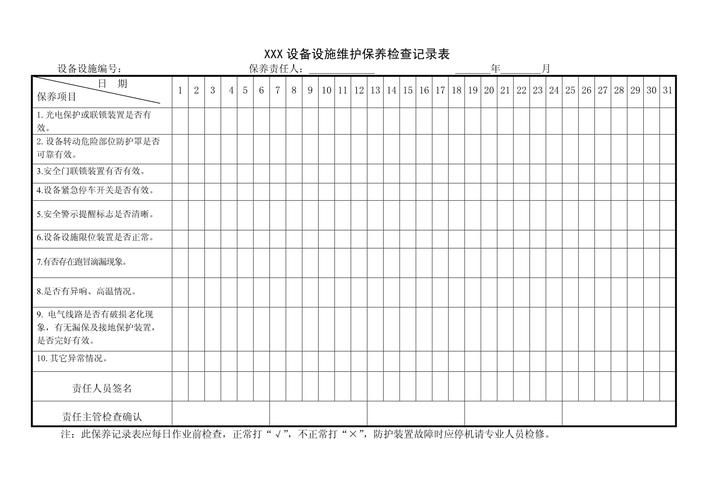
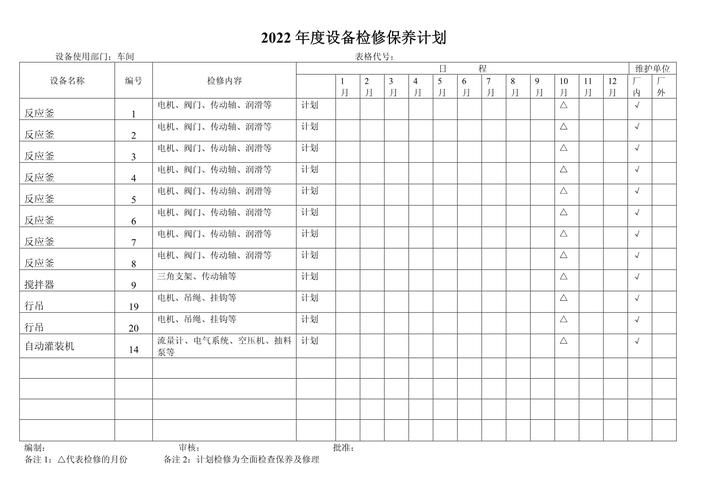
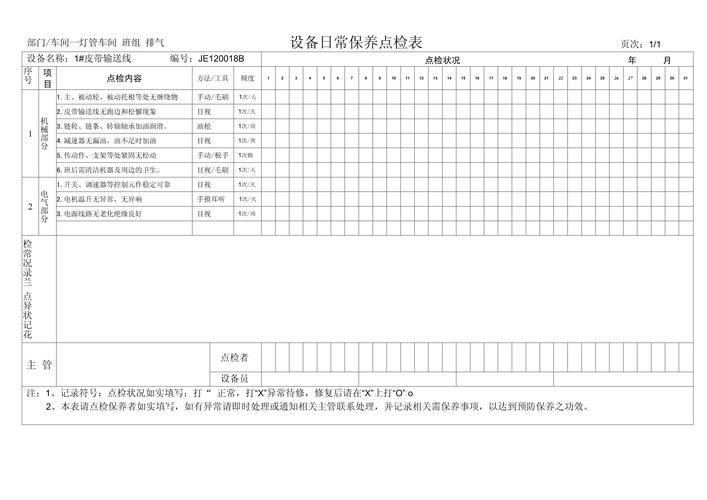
Electrical and self-control systems. Pipelines and valves, maintenance, “diplomatic guidance” and care planning to avoid “temporal possession”: on the basis of equipment usage instructions and on-site work, a quarterly maintenance list of monthly maintenance plans was developed to clarify the maintenance of the project, those responsible and the time frame for completion, and to avoid malfunctions due to “forgotten maintenance”. Records are archived, “equipment health files” are created: after each maintenance, detailed records of maintenance content, equipment state, replacement of components type, etc. (e. G., “x day of 2024, x, replacement of exposure wind bearings, model xxx”) will facilitate subsequent retrospective and failure analysis. Safety first, regulation of operating procedures: maintenance requires strict compliance with safety protocols, such as gas detection (to prevent hydrogen sulfide, methane poisoning) prior to entry into the pool operation, power outages and the display of “prohibited gates” warning signs, protective equipment (seat caps, slippers, gas masks, etc.). Seasonal adaptation and refocusing of maintenance: during the winter period, emphasis will be placed on strengthening equipment to protect against freezing (e. G. Pipe temperature, pump emptiness) and biosystem temperature (e. G., exposure tanks to cover the climate membranes and increase the flow ratio); summer focus on protection equipment against overheating (e. G., cleaning of electric dispersors) and algae breeding (e. G., increasing the incidence of siltation in sediment pools)。
The maintenance of sewage treatment systems is a long-term “preventive” effort that requires both rigorous planning and the care and responsibility of front-line personnel. Only through the implementation of maintenance elements on a daily basis will the system be able to ensure sustained and stable operation and to establish solid lines of defence for environmental compliance and water environmental governance。