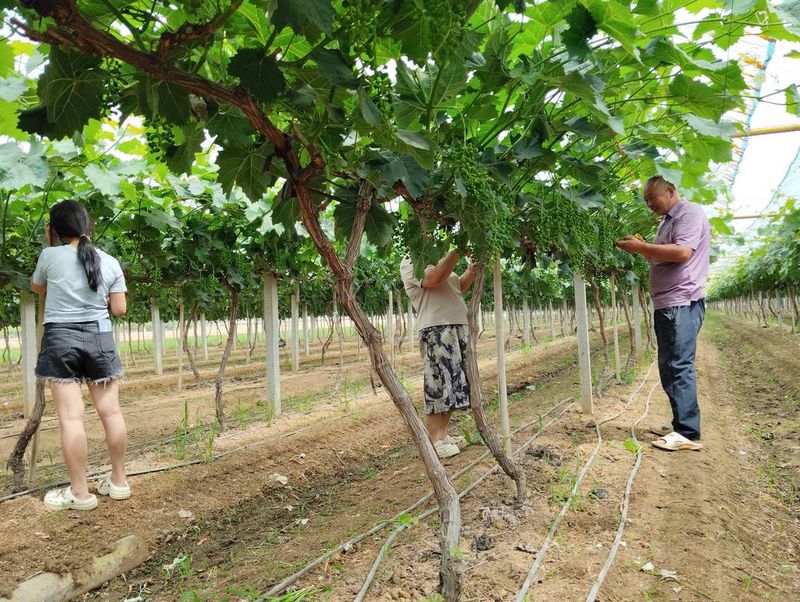
Magenta grapes contain a wealth of glucose and acetone that removes the free radicals of humans, has the effect of preventing the spread of cancer cells, and are widely adapted, resistant to disease, unique tastes and sweets, which are very popular with consumers. However, the pomegranate, which is a four-fold hybrid, belongs to the medium-premature category, with severe flowers and low seating rates, affecting the production and quality of the pomegranate. In order to improve the sit-in rate of the giant raisins, this paper provides a reference for the growers by analysing the causes of the fall-out of the giant raisins and proposing targeted technical measures to increase the sit-in rate。
1. The cause of the figs of the raisins
The existence of genetic properties of pyrophagus with incomplete growth and low sit-in rates can lead to flowers falling or poor fertilization leading to low sit-ins. In addition, dry weather heat during flowering can affect pollinating fertilisation, which can cause fertilisation; and cold and rainy weather during flowering, which can affect pollinating fertilisation, resulting in severe fertilisation。
If the management of water fertilizers in the previous year was not reasonable, or if the results were too high, it would also reduce the rate of nutrients in the plant, resulting in undernourishment in the year and lower sitting rates; it would be unreasonable to cut or apply nitrogen fertilizers, which would lead to overgrowth and undernourishment. Micronutrients such as calcium, boron, zinc, etc., play an important role in root system growth, pollen blooming and the extension of pollen tubes, which, in the absence of these elements, can hinder the reproductive growth of grapes and lead to the fall of grapes. Before and after the flowering period, diseases such as froste, ash disease can cause the fall of flowers, or pests such as parrots and green blind vermin may endanger the young fruit and cause the fruit to fall off。
2 technical measures to increase the rate of passivity
2. 1 choosing a strong plant
New vineyards, which need to be studied before selecting trees, need to select robust trees that are suitable for the climatic conditions of the plantations, thereby increasing the sit-in rate of the giant raisins。
2. 2 maintenance of ventilation and light
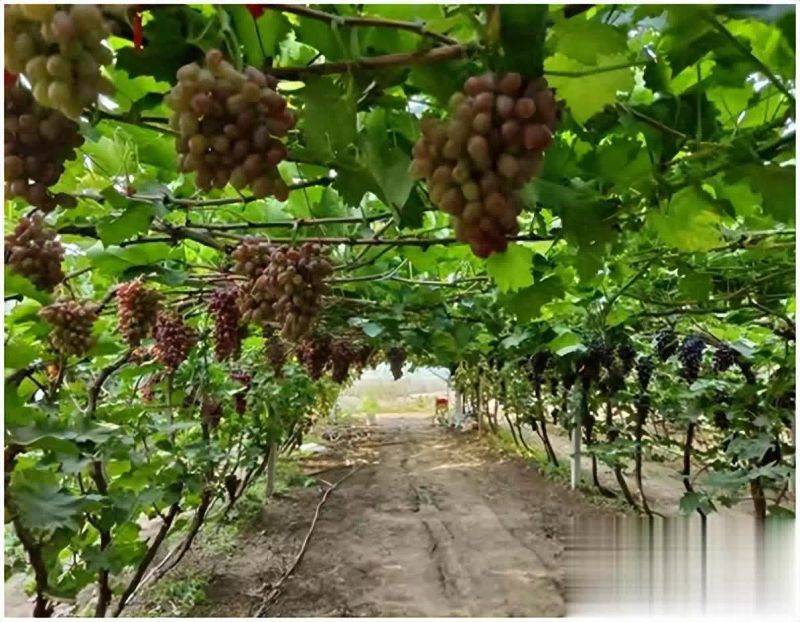
It would be preferable to use the form of a scaffold (figure 1), so that grapes remain well-ventilated and can increase the number of grapes sitting fruit。

Tender per square metre, so you can easily understand the cost of photovoltaics
Figure 1
2. 3 construction of shelter
The construction of a shelter would increase the temperature of grapes, adjust the flowering period, make the flowering period miss the rainy weather, and also provide a cover for the wind, supplementing the increase in the efficiency of grape pollination, thereby increasing the seating rate。
2. 4 enhanced management of hydrofertilizers
A fundamental measure to increase the rate of corrosive fruit is scientific management of hydrofertilizers, increasing the nutritional supply of grape plantations and making them robust. Adequate nutrition ensures the demand for nutrients for nutritional growth and reproductive growth and avoids competition for nutrients due to lack of nutrition, resulting in insufficient reproductive nutrients, which in turn leads to the loss of flowers and lower sit-in rates. If the orchard is more fertilized and can reach a medium or higher level, it can reduce the use of base fertilizers at a modest level, applying high-quality organic fertilizers in general from 1500 to 2,500 kg/667 m2, applying moderate micro-fertilizers in appropriate quantities, especially boron, and applying them in deep trenches. Over the long term, the grapes can be followed up with high-quality organic fertilizers based on their growth, while providing them with adequate and comprehensive nutrition, improving soil structures, increasing soil permeability, improving soil buffer capacity and resilience, making root systems well developed and growing strong, thereby increasing the ratio of grapes sitting fruit. About 10d before the flowering of the giant raisins, one fat water run, 10-15 d behind, can be applied to composite fertilizers 25~35 kg/667 m2,10 d and one more time after the phosphate has grown, with attention to the recovery of potassium dihydrogen phosphate, which helps improve the quality of the raisins. Following the harvest of fruit, the timely application of fertilizing water is also required to ensure the nutritional supply of plants. It is important to note that nitrogen fertilization cannot be applied until the great peak grapes are dormant and flowering, otherwise it will promote new growth and lead to the drop of flowers; during the flowering season, it will not water the plants; otherwise it will be easier to wet the gardens, affect the pollination of the plants, pollinate the grapes and reduce the seating rate。
2. 5 strengthened plant management
In the course of growing grapes, in accordance with the growth of the plant, regular sprouts, twigs, grazes and flowers. (1) the germination should not be premature because it can be involved in the consumption of nutrients and avoid excessive growth of the branches retained. In time, the two leafs of the flower are sprouts, the consumption of nutrients is reduced, nutrients are well supplied for reproductive growth, nutritional growth and the balance of reproductive growth are balanced, the bouquets are divided and developed, the nutrients required for pollination and fruit expansion are ensured and the ratio of grapes sitting is increased. (2) when a branch is set, the distance between the branches is kept at 20-25 cm, avoiding too close a distance, affecting ventilation and increasing the number of falling fruit. Before the flower results, the new steps will be cut short to < 70 cm, in favour of grapes. (3) before flowering, 2-3 d begins to be heart-crazed, leaving only one stub from the heart, other stubs removed, 6-8 leafs on a long, robust bouquet, and a little less than 4-6 leafs, so that nutrition can be concentrated in the bouquets and increase the sitting rate. (4) on the basis of the target yield and new growth, flowering in a timely manner, usually after the varnishing period, removing some ill-growing, over-created and redundant sequences, selecting some longer and better bouquets and repairing the remaining bouquets, removing the beaks, 2 ~3 and 20 ~25 per cent of the tippings, leaving two bouquets and one bouquet less, ensuring that the bouquets are adequately nourished, normal flowering, pollinating, fertilizing and sitting fruit. It is important to note that the tipes are not removed too early, otherwise they affect the length of the raisins, make them smaller and affect the production of grapes. Before the flower results, the length of the period above which the sequence is to be preserved is reduced to 8-10 cm, which increases the seating rate. (5) prior to the flowering of the raisins, 3 cm in front of the ears of the fruit, stripping them with a width of 2-3 mm, reaching depths of wood, and immediately after stripping them with plastic sheeting, promoting healing. Cutting can reduce falling flowers and increase sit-in rates, but it cannot be carried out consecutively to avoid weakening tree positions。
2. 6 reasonable control of production
If production is not controlled, the grapes are overloaded, which consumes excessive nutrients, causes the plant to accumulate excessive nutrient losses and leads to malnutrition. Therefore, keeping the production of plume grapes within a reasonable range would help to increase the symmetry of grapes. In general, the production of large-peak grapes should be controlled at 1500 ~2000 kg/667 m2, with fruit ranging from 3,000 ~ 3500 ears to 667 m2, with 40 ~ 50 fruit grains per ear (figure 2) and 15 ~ 20 active leaves, so as to improve the quality of grapes in the context of steady yields, as well as to promote the separation of buds and increase the number of sit-in fruits, ensure that grapes are well nourished and contribute to the pollination of grapes and the maturity of fruit in the coming year。
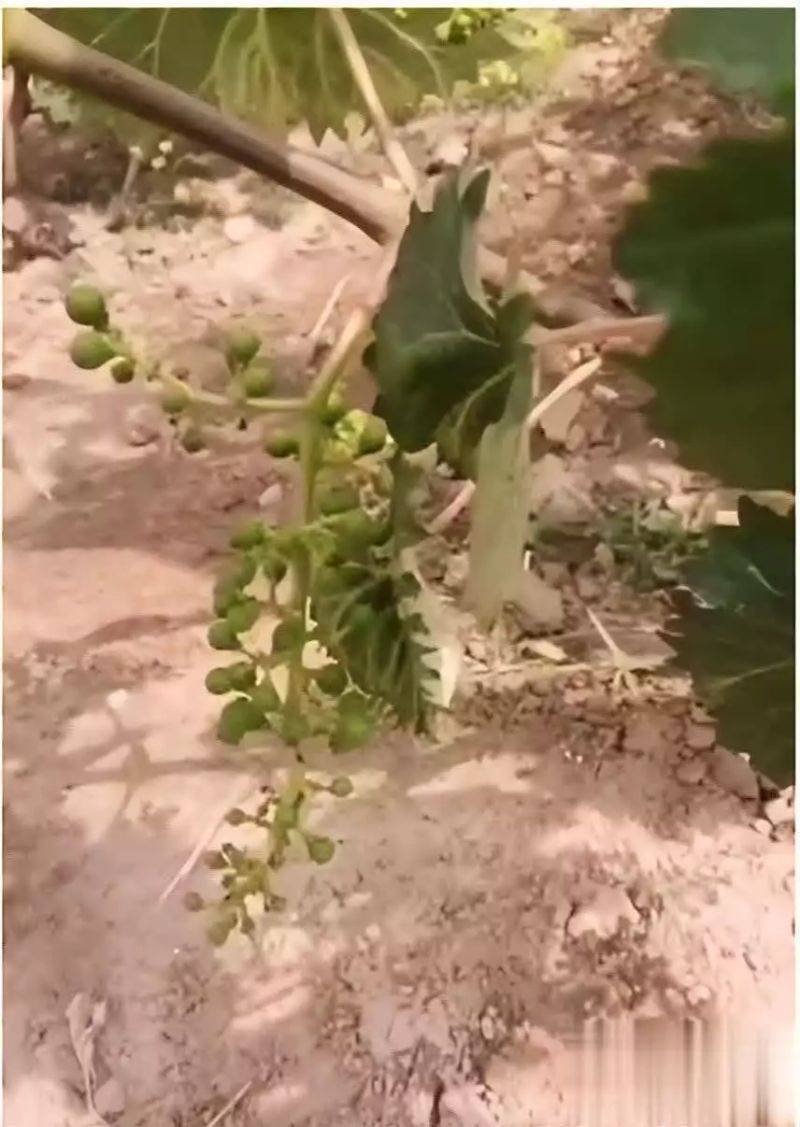
Figure 2
2. 7 fabric and plant growth regulators
Before and after the flowering of a giant raisin, the application of 0. 3-0. 5 per cent boron solution promotes the growth of a pollen tube, increases fertilization capacity, increases sit-in rates, and also brings the specks closer to beauty and improves their appearance. To regulate metabolism in plants by spraying plant growth regulators, such as ethylene applications, to promote female division, inhibiting new growth, reducing falling flowers and promoting fruit maturity。
2. 8 pest management
During the hibernation period, the giant raisins concentrate on cleaning orchards, bringing out the scavenging trunks and fallows, diseased strains, trimmed leaves, fallows, etc., for out-of-camp treatment, reducing the winter base of pests and insects, reducing the probability of pests occurring in the coming year and preventing pests from causing falling fruit。
Two more rounds of clean-up and prevention of tremors and green blinding, etc., before the new stairwell reaches 10 cm. In the first place, 3-5 d of the flowers are sprayed with fresh stings and ears to combat diseases and pests such as black pox, frost, ostrich and green blind. The control of the athrax can be done with a 60g/lethylido fungicide suspension of 1000-1500 times liquid spray; the control of the green blind beryllium can be done with a 1% bitter vermin water emulant of 30-40 ml/667m2 spray; the control of the blind beam can be done with a 22% fluoride amphibian suspension agent of 1000-1500 times liquid spray; and the control of the shell bug can be done with 25% amphibian water dispersant of 4000-5000 times liquid spray. The control of cosmopolitan frostic disease can be based on 80 per cent of the dyssey manganese zinc wettable powder 500-800 times the liquid spray, or 80 per cent of the ester ester water dispersant 3,500-5,000 times the liquid spray, or 20 per cent of the pine-fast copper-water emulsion 800-1,000 times the liquid spray; and 25 per cent of black poxiax can be based on 100-1,200 times the metamine cream spray。
Conclusion
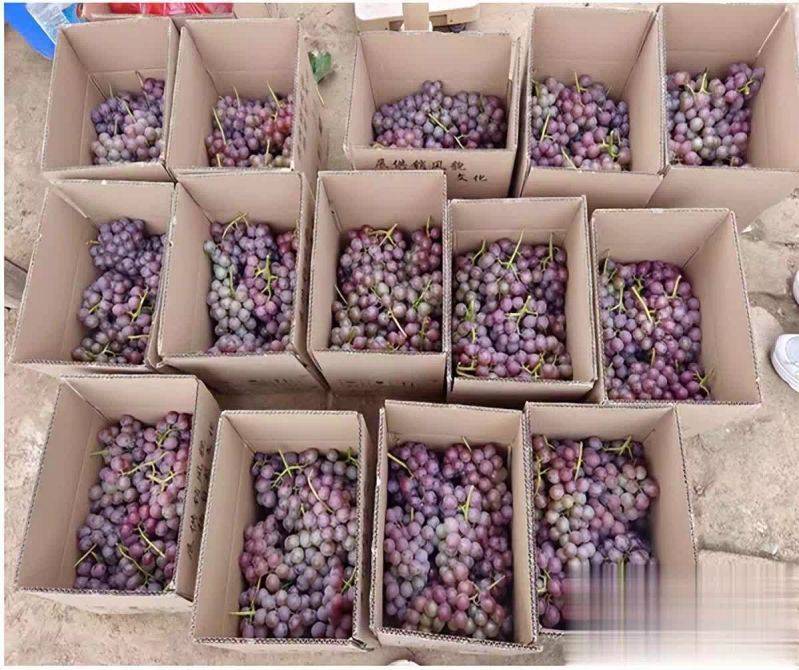
In summary, in order to increase the rate of corrosive grapes, various factors that lead to the fall of the porcelain grapes are dealt with through the application of effective technical measures, in the interests of porcelain grapes, ensuring their production and quality (figure 3) and ensuring the sustainable development of the porcelain grape industry。

Pv on the roof. New news. Pv on the roof?