It is most appropriate to plant oilseeds in april and september of each year, when the temperature is around 25 degrees, to meet the seed demand, soak the seed before planting, wait for its whiteness, then sow the seed into a loosely ventilated soil and pour clean moisture to help it grow。
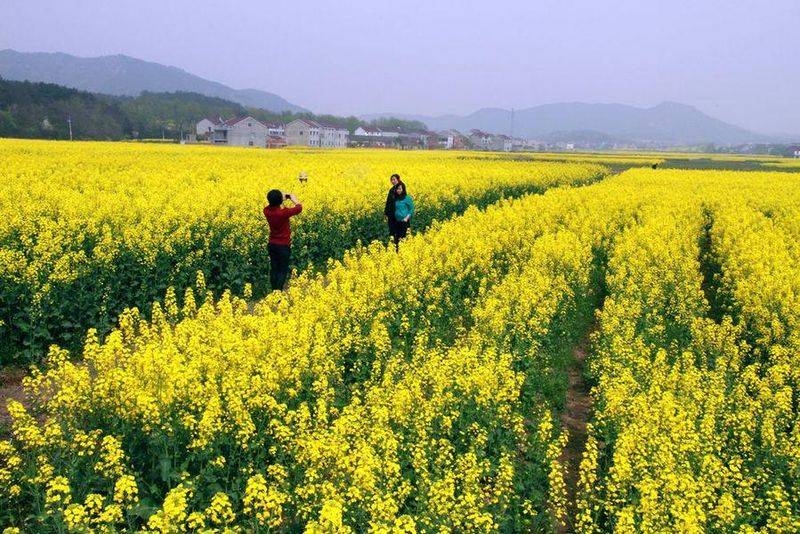
Technology for growing oilseeds
1. Fabrication
The high level of oil and vegetable cultivation and the high level of fertilizer required should focus on the application of base fertilizers, insufficient base fat and weak seedlings, which in turn affect the growth of plantations and even the economic production of oil and vegetable. It is based on organic fertilizers, supported by fertilizers, which provide the basis for the fertility required for the entire growth cycle of the oily vegetables. Organic fertilizer is generally applied at 2,000 kg per acre, 45% generic composite fertilizer at 25-30 kg or 36% compound fertilizer (15-10-11) at 30-40 kg and boron fertilizer at 0. 5-1 kg. Fertilisation methods: the application of organic, compound and boron fertilizers in combination with the conversion of the crop to the ground is highly resistant to the application of shallow fertilizers to prevent the mid- and later-term decomposition of oilseeds。
2. Deplantation in due course
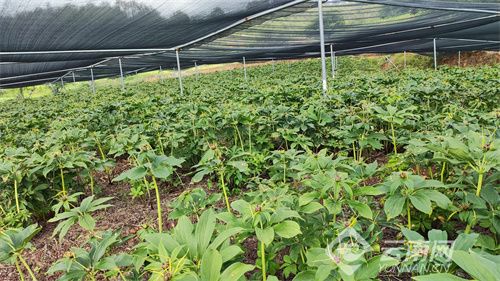
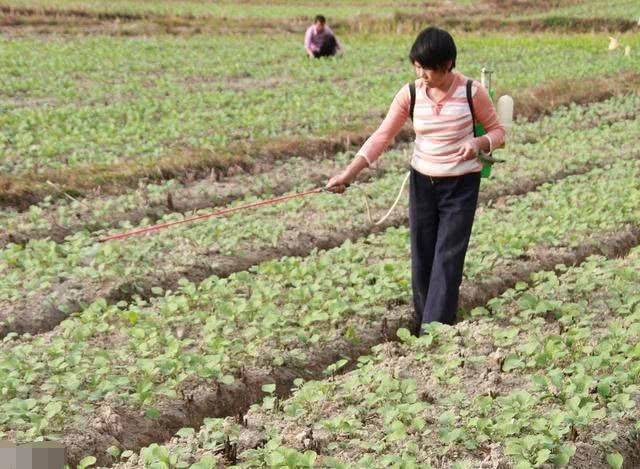
Rationally concentrated, 30 to 35 days old, 5 to 6 leaves and 5 to 6 mm thick, with large and large seedlings, with fat, with medicine, and without high seedlings, bending, thin and ill. The plant specifications are 50 cm x 20 cm, with around 7,000 plants per acre, with the soil covered by the soil moving, and the root water being poured in time after the plant is completed, three days after the plant is moved, and the replacement seedling is detected。
3. Reasonable pursuit of fat
Fertilizers: early and hard-working application, timely supply of nutrients required for the seeding period of oilseeds, utilization of short pre-winter temperatures to promote the growth of oilseeds, to reach the peak of winter and to lay the foundation for their production。
Fertilizers: vegetable season is a period of nutritional growth and reproductive growth, with fast-spilling, long branches, increased leaf area and large-scale sprouts, which are the most fertilized period and a critical period for the growth of saplings. Therefore, the application of fertilizers is subject to steady application, as appropriate, based on the application of bottom, seed and strength。
Floating weights: flowering and corrosive corrosives on the back of oily vegetables and the number and weight of seeds are closely related to the nutritional conditions after flowering. For long and strong periods, urea urea or potassium 0. 2% phosphate can be sprayed during flowering periods. In addition, 0. 2 per cent boron water solution can be sprayed once in the later stages of seeding and in the withdrawal phase to prevent “fruit” and increase production。
4. Irrigation and drainage
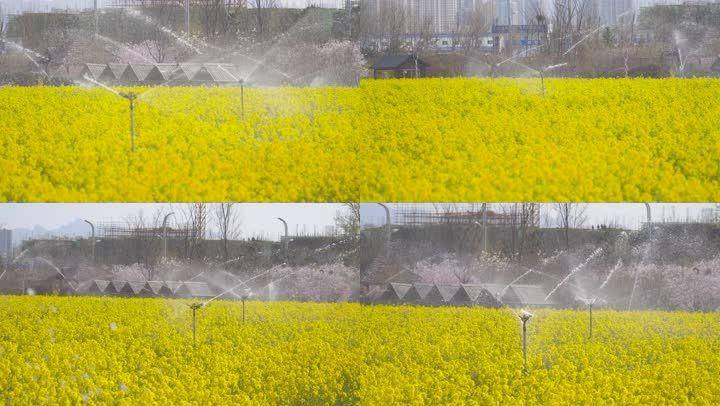
Rational irrigation is an important measure to ensure the viability of oilseeds. Oilseeds have long reproductive periods, large nutrients, thick leaves, strong organs, high water demand throughout their lifetime, low levels of autumn, winter and spring rainfall in their areas of production, and dry soils that are not conducive to seeding and breeding. The winter drought in the north often exacerbates the freeze and causes death. The southern region was characterized by heavy rainfall, which resulted in scavenging or flooding. It is therefore important that the water requirements of oilseeds be adapted to local conditions and that they be drained in a timely manner。
5. Pest management
Insects and pests that are harmful to oily vegetables are mainly larvae, leachate, aphids, cotton beetles, etc. For the effects of larvae, beetles, aphids, aphids, etc., 25% of the enemy can be treated by killing 3,000 times the fluid or 40% of the fruit 1,000 times the fluid spray spray, and in the case of larvae, an acres can be protected with 40 g g and 20 g of the larvae spray every 5-7 days, with two or three times more。