1 requirements for the culture environment
The herring is highly adaptable, prefers a wet, cool climate, is insensitive to the light, is obscurant, and has strict requirements for moisture and is resistant to drought. Obsolete or micro-acid soils that are organically rich, deep in soil, well drained, and with high vegetation cover。
2 elements of plantation technology
2. 1 cultivation
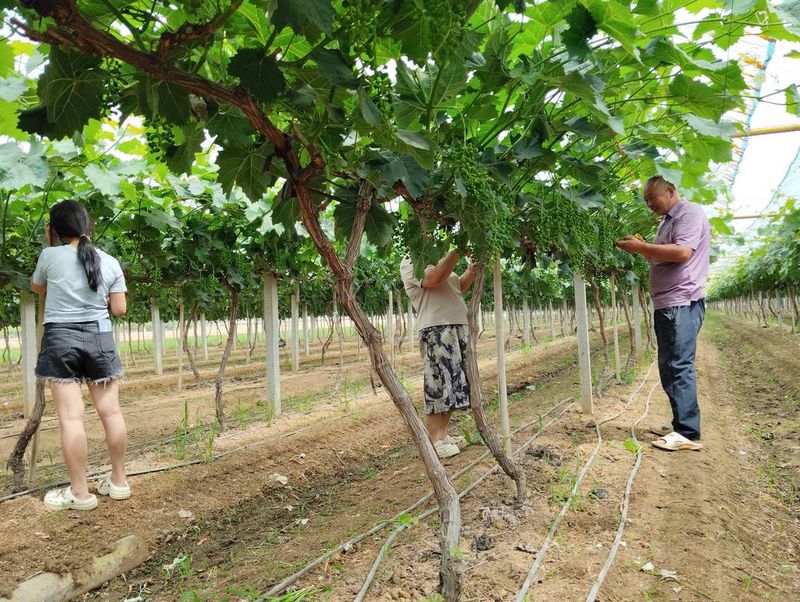
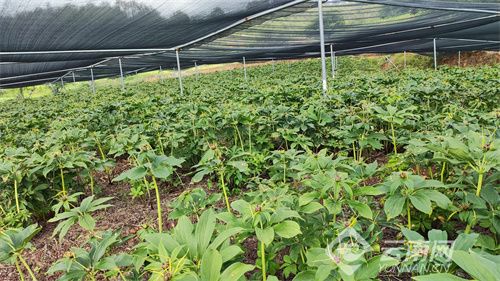
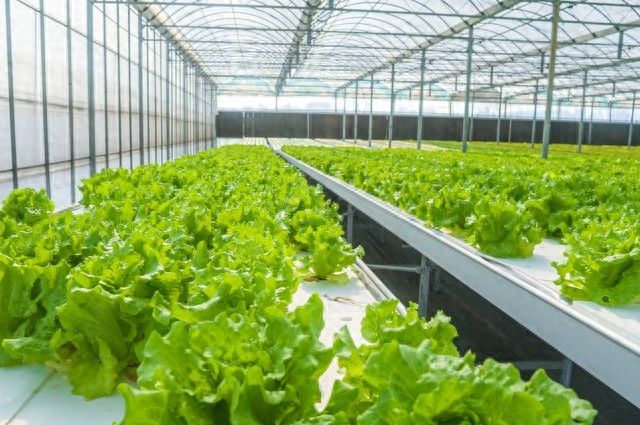
Mainly wild. Artificial beryllium can be grown in open ground, small plastic arch sheds, plastic sheds, high-efficiency solar energy-efficient greenhouses, and heating greenhouses. Different modes of production can be selected according to different needs. When marketed in the form of fresh vegetables, the option of producing in high-efficiency solar-energy-efficient greenhouses and hothouses is cost-effective, and in order to generate a bulk-dry export exchange, the option of field production is low-cost and suitable for scale development。
2. 2 reproduction methods
2. 2. 1 root reproduction
After the fall, some of the beryllies die or before the spring thaw, the root beryllium is extracted. Digs the roots with a diameter of 0. 5 ~ 0. 8 cm and a nodal length of 8 ~ 20 cm. Digging avoids the root bulging. The excavated soil was buried to avoid water loss and thus to make a living. After extraction, choose the thick, disease-free and wound-free root, which is cut in a section of 8-10 cm length each, which is ready to plant。
2. 2. 2 leaf breeding
The seeding of new roots from the parent plant was planted in daejeon。
2. 2. 3 sphinx reproduction
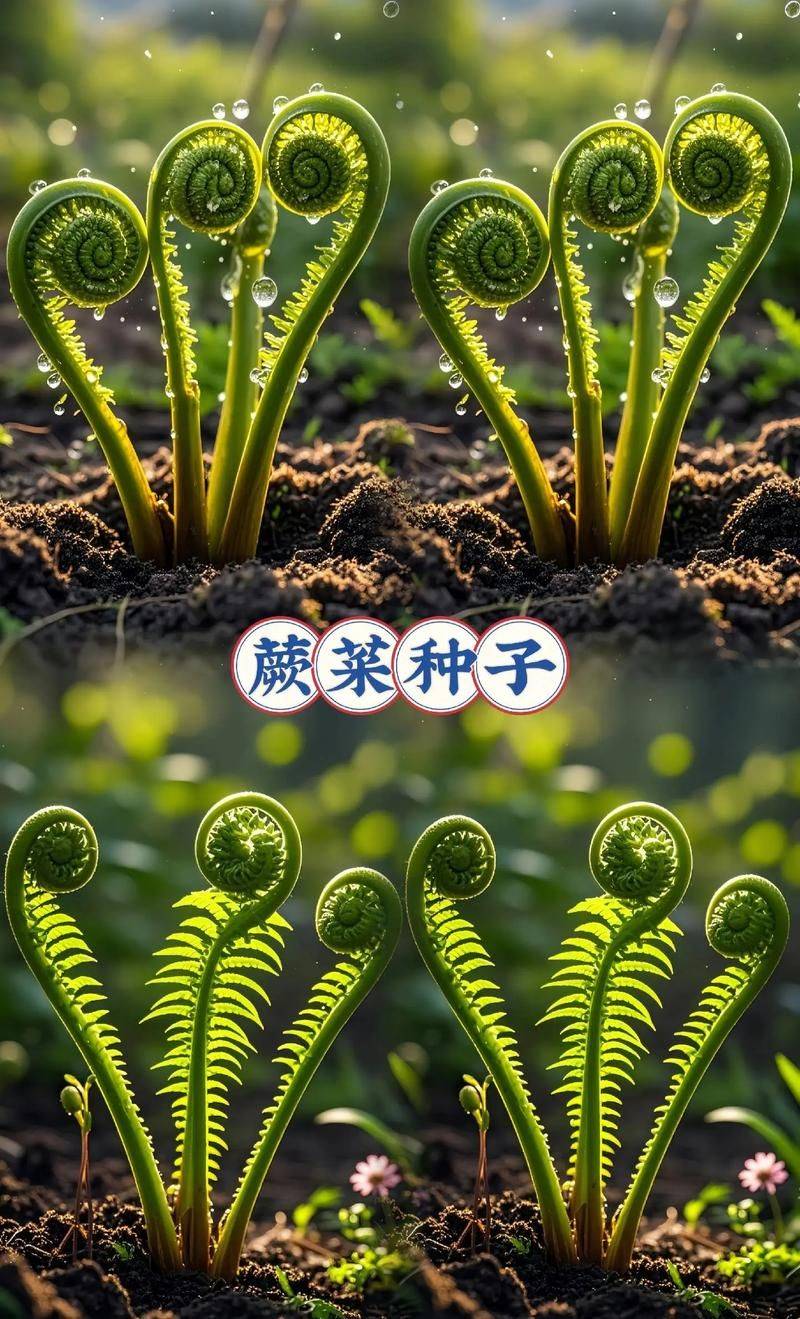
In the northern region, in the early part of july and early august, spores should be collected in a timely manner when the swarms of leaves are brown and the blades fall. The whole piece of leaf with spores is collected, trimped, placed on clean white paper or in a clean cultured vessel, in the cold of the air, when the spores are completely out of the ground for about a week, removing leaves fragments and miscellaneous items, collecting scattered spores and filling them in dry grinding bottles. Dry and cool. The seeding of spores collected in that year resulted in a growth rate of over 90 per cent。
2. 3 infants
Sphinx reproduction usually takes place in the sun, shed or greenhouse in the spring from 2 to 3 march, when seeded spores can grow into nutrients and enter the initial harvest in the following year. It can also be sowed in the autumn of august and september. It would be preferable to use soil from the field where the saplings are grown, or to use acid-crazed or grass-cavity soil. We dry it in the sun, then we sift it out. In order to prevent fungus and green algae, soil sterilisation can be performed with 0. 1% ~2% tulips or tanus nitrite, and then filled into ventilated seeding beds without leaking water, approximately 8-10 cm thick, and water can be humid to above 95% soil with a ph of 6 ~ 6. 5。
The mature spores collected in the previous autumn were treated for 15 minutes with a concentration of 300 mg/l of cactin to promote the spores ' growth. When the soil of the bed has permeated, the sap powder is spread on the surface of the bed with a pencil or a soft little brush, and the soil is not covered with soil, so that the sap powder may be brought together with the soil. When the sowing is large, the processed sap powder is poured into the water canteen, which is shaken and sprayed on the sowing bed. It is then covered with a membrane on the bed surface and warm and wet. The intensity of the light is suitable for dispersing light and the sun must be tanned for more than four hours per day; the temperature of the bed soil is controlled at around 20°c and the temperature is 25-30°c; the spores are blocked when the temperature is below 15°c or above 35°c. The relative humidity of soil and air remains at 85% ~90%。
After planting, the spores start to grow four to five days later, beginning to appear in the filament, and gradually develop into heart-shaped formulations known as the original leaf. No excess moisture is required for the front-stage original. About a month after the onset, when the original leaf matures, water is poured or sprayed one to two times a day, preferably with water flowing along the bed surface to create conditions for fertilization. After the first spasm spreads, the speed of the spread increases as the leaf rises, and when the spasm leaves come out, the water is stopped, and plume leaves gradually grow。
When a seedling grows to 4 to 5 cm, it should be distributed in conjunction with a seedling, and its nursery bed should be moved into a seedling bed with a range of 8 cm. The plant should be humid and properly shaded. The soil conditions of the seedling beds are the same as those of the nursery beds, either to meet the growth needs of the seedlings or to spray 0. 1% ~0. 2% urea, or 0. 1% potassium dihydrophosphate and 0. 2% calcium perphosphate. By mid-may, if the leaves are to grow to more than 10 cm long, the seedlings that have been bred can be planted into well-established cultivation fields after basic fibrosis of the leaves。
2. 4 plantation
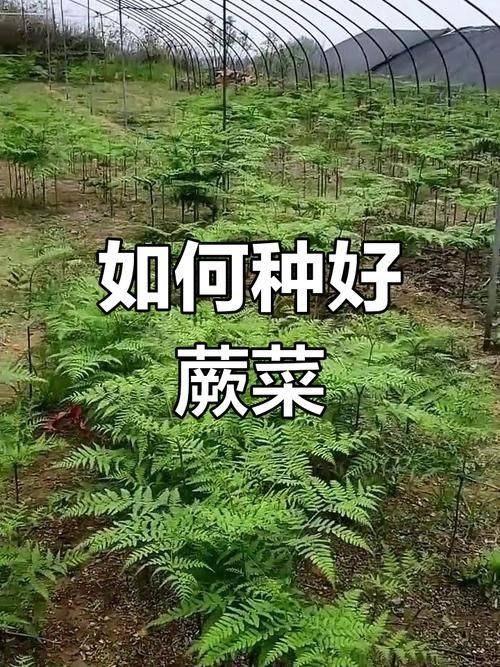
Prior to planting, the field was ploughed with organic fertilizer, and 667 m2 of curectic fertilizer was 2500-3000 kg, with a condition of 50 kg of fertilized chicken dung, with appropriate additional application for the less powerful, and then the floor was torn to the ground。
2. 4. 1 tube planting
It'll be fine in the fall. Each part of the aluminum has to be transected with a growth point that has begun to develop, and the branch is then laid down over the surface of the soil, with a distance of 50 cm and 60 cm. The soil is planted at a distance of 5 to 8 cm thick, the soil is then slashed, covered with a 3 cm thick dry branch or straw, protected from drought, and water is sprayed once。
2. 4. 2 leaf planting
A new, rooted seed can be grown directly from the parent plant. At a distance of 55 centimetres and 75 centimetres, two to four plants are planted in each of the dens and water is poured。
2. 4. 3 pistol planting
A green leaf (also called a chorus) that is visible to the eye after the sprawl that is planted in the culture base is born can be sprawled into a nursery, and the planting matrix can be made of half aluminum and half peat. The transplant should ensure that the original leaf is in close contact with the new planting matrix and that its roots are easily reached within it. Post-transplant spray. And when the original leaves grow, and grow upon them, they grow small spores, then they are cast into the field. It is 55 centimetres and 75 centimetres, with 2-4 units per den, which are then watered。
3 field management
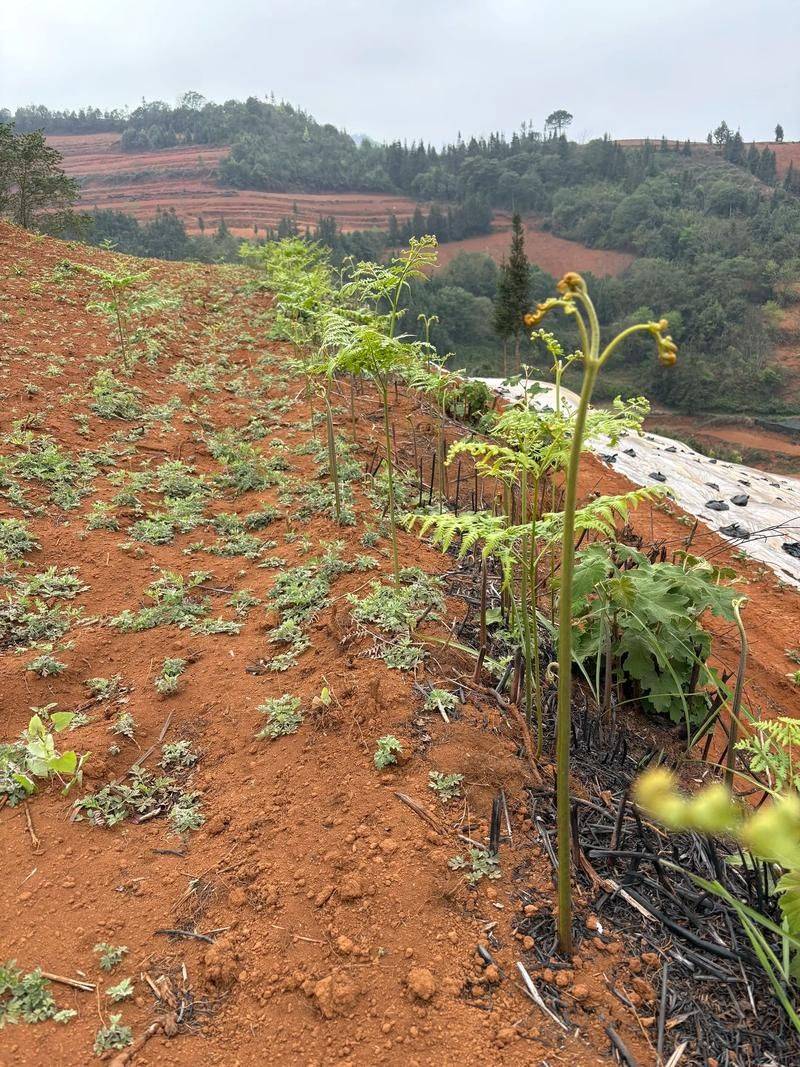
In the winter, the herring generally begins to fall asleep or grow slowly, with little management other than proper foliage or daily water and fatting. In the spring, leaves of old age and death are cut before they grow and fertilized in a timely manner to promote growth, usually at a rate of 10 kg urea per 15-20 days at 667 m2 and combined with weeding. During the summer, the vast majority of cabbage will continue to grow new leaves and there will be a need for adequate fertilizer, typically one fat run for 20 days, about 10 kg of urea for 667 square metres and one water pouring in three to five days in high-temperature weather. Autumn cabbage is starting to grow slowly and water demand is decreasing。
4 pest management
When cultivation conditions are appropriate, insects and pests rarely occur in herbs. Low-lying and flood-prone plots are prone to causes of decay during long periods of water accumulation. Aphids are subject to acupuncture with 10% acne wettable powder and 667 m2 10-20 g water spray。
Five
The april-june harvest would be appropriate, preferably by 9 a. M. Each day. The seeding of 20-25 centimetres high and plume is not yet being carried out (i. E. “kicking”). At harvest, use the appropriate parts below the fresh portion. And the root is folded, and it is laid gently in a basket of grass on the bottom, and a layer of grass is added to the top of the basket in order to avoid aging. It's two to three times continuous. Fresh food is available for pick-up, pick-up is processed in six centimetres of cortex, and dry vegetables are not. The daily harvest is processed on the same day and cans of beryllium。
6 processes
Selenium is processed in pickles and drying. In the past, pickle processing was simple, not easy to store and transport long distances, affecting slots and outlets. Today, a new process using a combination of aluminum plastic bags has been introduced, while preserving basic features such as green, green, fresh and fragrance, looks beautiful, long-lived, portable, hygienic and high value added。