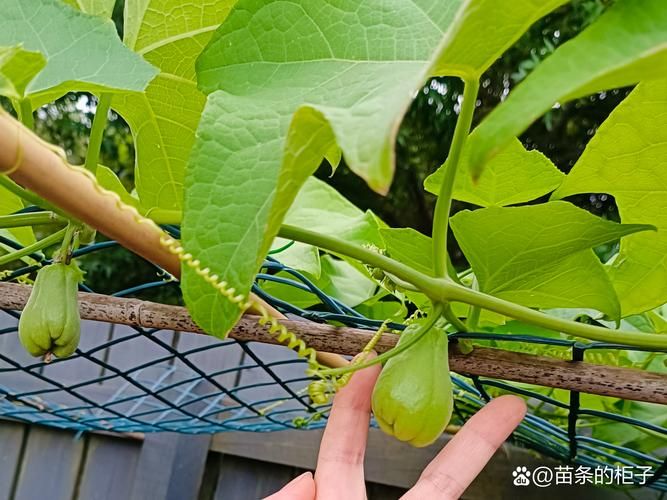
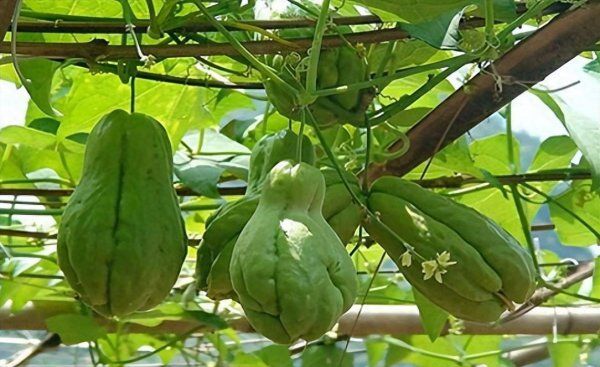
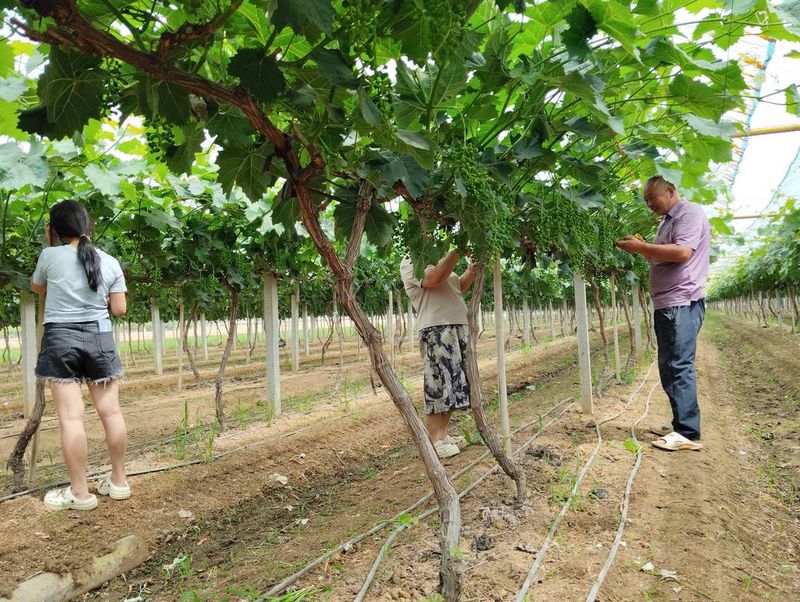
Vegetables, which are essential to the table, are often grown with open ground and pottery. But in recent years there has been a high prevalence of soilless vegetable cultivation, and i'm sure the vast majority of people do not know much about it。
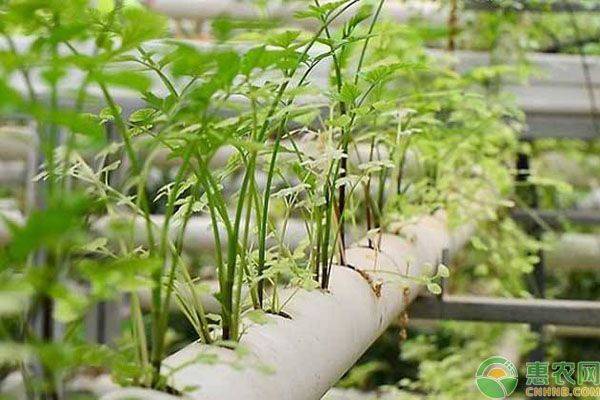
I. The concept of soilless vegetable cultivation
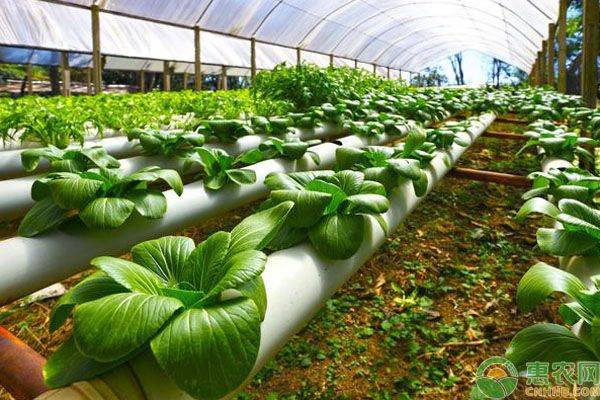
Soilless cultivation is a form of cultivation that uses a nutrient matrix or nutrient fluid to replace the soil as the root environment required for plant growth. Nutrient matrix composition: pearl rock, neptunite, grass-grab, coconut, etc. Nutrient fluids: nutrient-based crop breeding liquids。
Ii. Advantages of soilless vegetable cultivation
1. Don't worry about nutrient loss
Nutrient matrix or trophic fluid that can provide the nutrients needed for crop growth when different types of crops are grown, different matrices are formulated because they are based on the nutrients required for crop growth. In other words, the nutrients absorbed by crops will not be reduced, so will the nutrients contained in crops. Therefore, there is no need to worry about nutrient loss in soilless crops。
Reduced number of pesticide applications
Soilless cultivation is the basis of new formulations, so there are no associated barriers and endemic diseases, i. E. The incidence of soilless crops will be significantly reduced, so that the number of pesticide applications will be significantly reduced. At the same time, since the nutrients required for crops are embedded in a matrix, the use of fertilizers will be reduced! It is safer and more reliable than the vegetables planted in the soil。
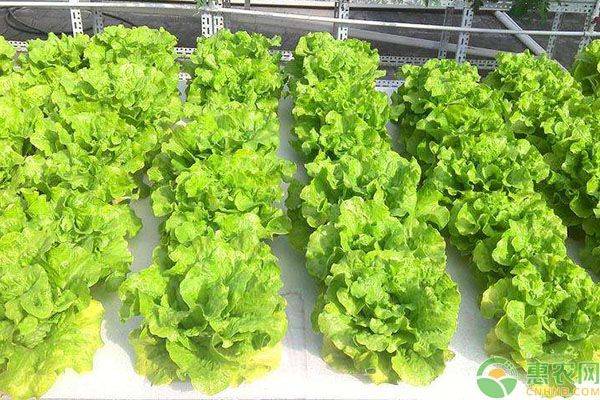
In fact, soilless vegetable production is a good development project, but it is not now widely produced because of the relatively high cost of soilless cultivation, which is not suitable for large-scale application, and it is believed that, as technology continues to evolve, soilless cultivation will become the mainstream. Everyone has access to soilless vegetables or to their own landless vegetables。
You may be interested in the content of the recommendations below。