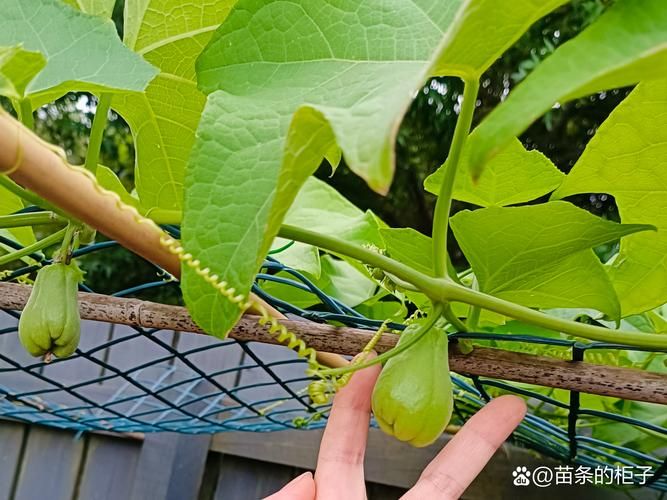
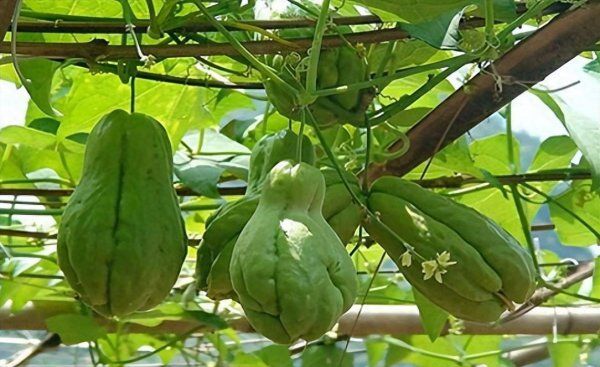
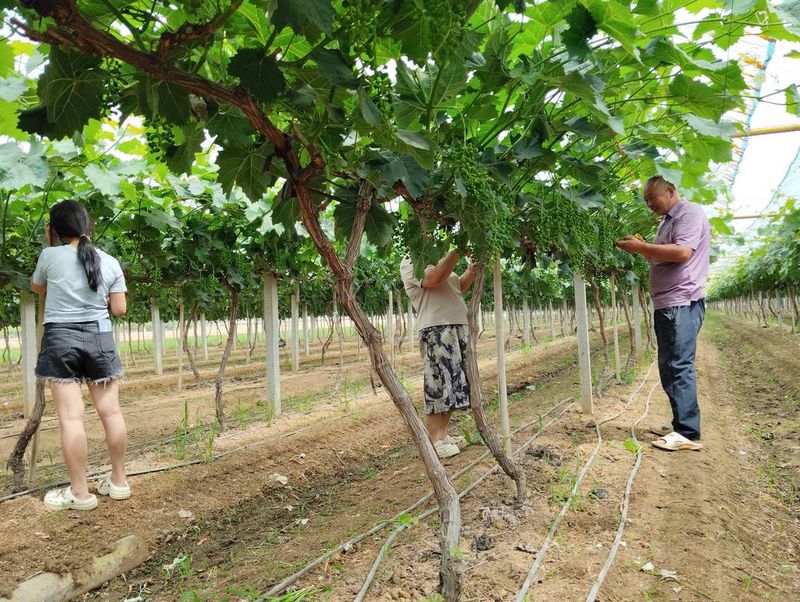
In traditional perceptions, plants grow from soil to soil, like fish from water. But with technology, a completely new form of cultivation -- soilless farming -- has broken this conventional perception. Earthless cultivation, by definition, is the cultivation of plants without natural soil. It uses media such as water, grass-chard or forest foliage, cylindrical rock as the backbone of the root system, with fixed plants, so that the roots of plants can be directly exposed to the nutrients needed for their growth. It's like creating an exclusive “nutrient nest” for plants, so that they can thrive in a de-soil environment。
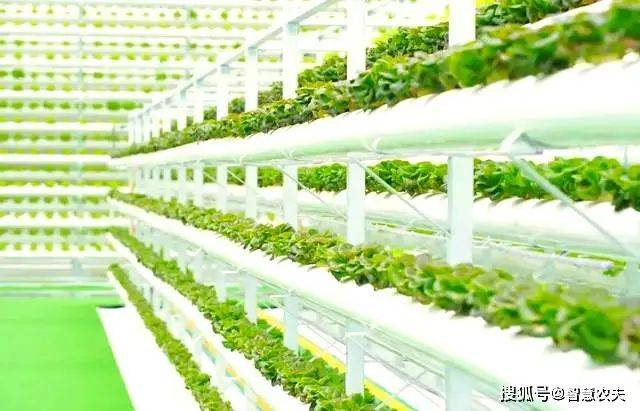
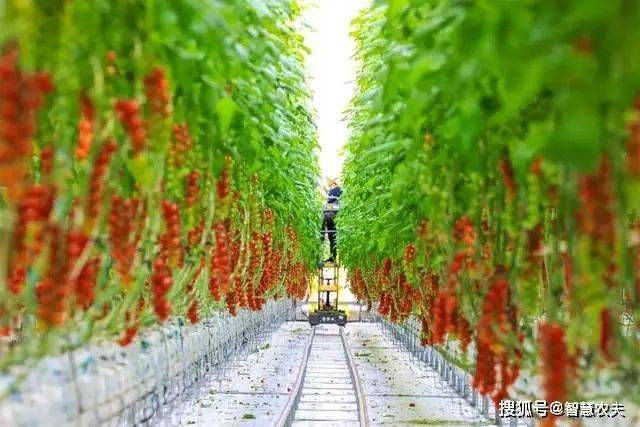
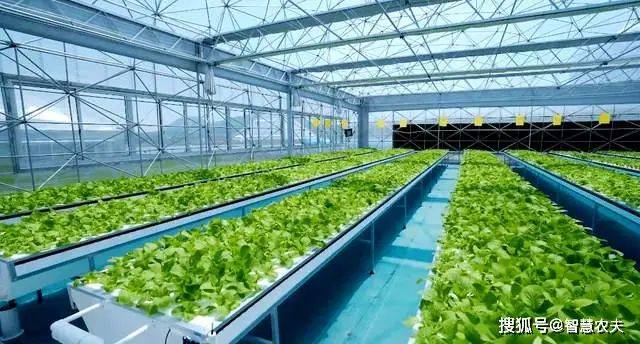
Soilless cultivation consists mainly of three main types: hydroponic, fog and matrix cultivation. Hydroponics, which allow plant roots to be in direct contact with nutrients, are completely free of the matrix. In a hydroponic environment, plants are living in a nutritious “water world” where roots are freely stretching and extracting directly from nutrient fluids the nutrients necessary for growth, and the corresponding roots are well developed and the roots are clearly less degraded than the soil cultivation. It sounds amazing. It compresses nutrient fluids into aerosols and then sprays them directly onto the roots of crops, which are like “spanning dancers”, hanging in the space of containers. It allows root systems to absorb nutrients and oxygen at the same time, as if it provided plants with a nutritious and aerobic “air restaurant”, plant-planting machines and hydroponics, as well as root system conditions. Numerical cultivation, which fixes the roots of crops in organic or inorganic matrices, such as common rock cotton, coconuts, cylindricals, etc., and then provides nutrients for crops by drip irrigation or fine-flow irrigation, is one of the ways in which the largest area is currently being promoted in soilless cultivation。
Technical principles and key elements of soilless cultivation
The core of soilless cultivation technology is to provide plants with a proportionally coordinated and adequate concentration of nutrients to meet the demand for nutrients during plant growth and development. Nutrient fluids are like plants' "genre of life," which are formulated with great knowledge。
In the preparation of nutrients, the ratio of the various nutrients must first be precisely controlled. The demand for a large number of elements, such as nitrogen, phosphorus, potassium and trace elements, such as iron, manganese and zinc, varies from plant to plant. For example, leaves and vegetable plants may have a relatively high demand for nitrogen fattening, as nitrogen fattening helps to grow leaves and makes them greener and greener; for plants with flowering results, the demand for phosphorus potassium fertilizer increases significantly during the flowering and outcome periods, and phosphorus elements contribute to thawing and flowering, while potassium elements contribute to the expansion and quality of fruit. At the same time, at different stages of plant growth, nutritional needs change, just as humans need different nutritional supplements at different ages。
In addition to the proportion of nutrients, concentrations of nutrients are also critical. Excessive concentrations can lead to water loss in plant roots, such as immersing plants in high concentrations of salt water, where plants die of “crazy”; low concentrations that do not meet plant growth needs, and slow growth and stunting due to “nutrition”. Also, the acid alkalinity (ph) of nutrients is subject to strict control, and most plants are suitable for growth in a weak acidic environment with ph values of 5. 5 - 6. 5, in which plant absorption of nutrients is optimal。
In addition to nutrients, soilless cultivation requires support media. Elektra, pearl rock, rock cotton, coconut, etc. Are common media. The cylindrical is light and porous, and contains elements such as magnesium and potassium that can be absorbed by plants; pearl rock is stable, low-quality, clean, sterile, draining and aerobic, although it is less fertile and often used intermingled with cylindrical; rock cotton is an emerging soilless, small-scale, clean and beautiful mass abroad; and coconuts are manufactured by coconut shell fibres, which are well-serving and ventilated, and contain organic substances that provide some nutrients for plant growth. These support media are like “stable seats” for plants, which not only fix plants, but also help maintain moisture and nutrients。
Visible advantages of soilless cultivation
Landless cultivation, as an innovative form of cultivation, has significant advantages over traditional soil cultivation。
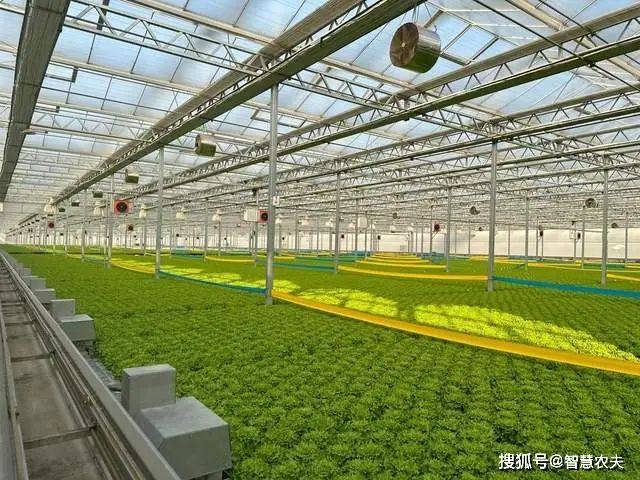
From a human and managerial point of view, soilless cultivation can be a labour-saving and easily managed process. Traditional soil cultivation, which involves heavy labour-intensive tasks such as farming, land reclamation and weeding, has been completely eliminated. Water and fattening have also become easy and simple in soilless cultivation, and time-quantifiable supplies are provided through the liquid supply system, not only to manage easily, but also to eliminate waste and significantly reduce labour intensity. It is as if, in a modern earthless production shed, staff could easily complete water fertilization by setting parameters for a liquid supply system, while in traditional sheds, farmers would have to work hard in the fields and perform farming operations frequently。
In land and space use, soilless cultivation breaks down many constraints. It frees crops from soil dependence, whether infertile deserts, wastelands or hard-to-cultivated saline lands, with appropriate facilities and conditions for soilless cultivation. This greatly expands the spatial reach of agricultural production, so that land that was originally considered a “no-go zone” of agriculture can also contribute a wealth of agricultural produce to people. Moreover, soilless cultivation can take full advantage of the space available in the city, such as abandoned factories, flat roofs of buildings, etc., for the cultivation of vegetables and flowers. Imagine the greenness of the roof in the city's high-rise buildings, which both glorified the environment and increased the food supply and made efficient use of space。
Unearthed cultivation has also performed well in pest control and food safety. As a result of the isolation from the soil environment, soilless cultivation has fundamentally cut off the transmission of endemic diseases and reduced the incidence of pests and diseases. In traditional soil cultivation, pathogens and pests in the soil are often harmful to crops and farmers are forced to use pesticides on a large scale to combat them, which not only increases production costs, but may also lead to pesticide residues in agricultural products that exceed standards and endanger human health. Landless cultivation, on the other hand, has significantly reduced pesticide use and produced greener, healthier and safer agricultural products that reassure consumers。
Soilless cultivation has also performed well in terms of production and quality. Through environmental factors such as light, temperature, humidity, nutrients, etc., required for precision control of plant growth, soilless cultivation has created near perfect conditions for plant growth, allowing the full potential for plant growth to be realized and the growth of crops to be strengthened. At the same time, this form of cultivation can be effective in improving the quality of agricultural products and in improving the taste and nutrition of vegetables and fruits. For example, soilless strawberries tend to be larger, sweeter and more colorful; soilless tomato fruits are full, juicy and smelly。
Wide application of soilless cultivation
By virtue of its unique advantages, landless cultivation technologies have been widely applied in many areas, opening new opportunities for agricultural development。
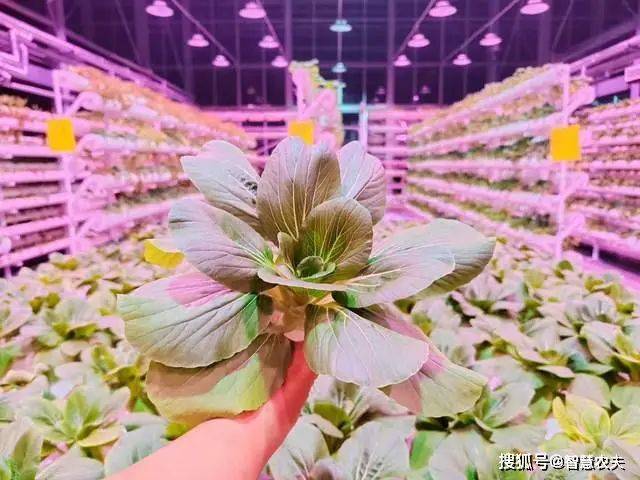
In the area of vegetable cultivation, soilless cultivation plays an important role. Through soilless cultivation, people can grow non-polluted green vegetables to meet consumer demand for healthy and safe food. The introduction of soilless farming techniques, such as in some modern vegetable plantations, not only enables the production of vegetables throughout the year, but also effectively improves their production and quality. For example, in an intelligent greenhouse plant in fatdong county, hoi-tung, anhui province, where crops such as raw vegetables, tomatoes and fruit cucumbers are grown using soilless cultivation techniques, it will take only 20 days to grow from a small vegetable to mature, which has significantly increased agricultural production。
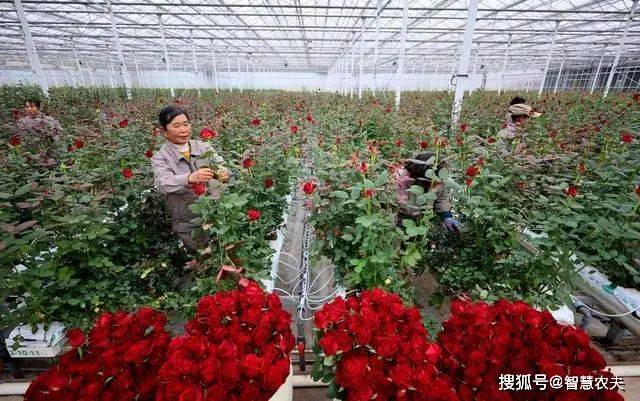
Landless cultivation is also favoured in flowers. Both cut flowers and pelvis are very suitable for soilless cultivation. Landless flowers are bigger, more colourful and more valuable. In the case of hydro-diplomatic tulips, which are nourished by well-settled nutrients, the flowers are large and very colourful, far above the flowers of their kind planted in the soil, and are more competitive in the flower market。
Many medicinal plants are roots, and root growth environments have a significant impact on their growth and efficacy. Soilless cultivation can provide a good growth environment for medicinal plants and significantly increase their productivity. For example, under conditions of soilless cultivation, the root systems of gin are more developed, have higher levels of active ingredients and have better demonstrated the value of medicines。
Landless cultivation also shows unique advantages in fruit-wood cultivation. The seedlings of fruit trees grown from soilless cultivation are growing rapidly and have a high rate of survival; the fruit trees, which are fast-growing, have a high rate of growth. Strawberries, for example, employ soilless cultivation techniques, with better quality and sweeter fruits, can also effectively reduce infestation of pests and pests。
Soilless seedlings are also important applications for soilless cultivation. Unearthed seedlings grow rapidly, are of short age, have well-developed roots and are well-developed, and have short and easy to survive. Moreover, soilless seedlings can avoid the endemic diseases and pests of soil breeding and facilitate scientific and regulatory management。
Current status and future prospects for the development of soilless cultivation
The development of soilless cultivation is marked by scientific and technological innovation. It originated from an in-depth exploration of plant growth principles, moving from laboratory to practical application as technology advances. Today, soilless techniques are widely studied and applied globally, and in some developed countries, such as the netherlands and japan, they have been highly industrialized and scaled up. In my country, landless cultivation has also flourished, and the introduction of this technology in an increasing number of agricultural parks and plantations has contributed to the transformation of agricultural production patterns。
Looking to the future, soilless cultivation technologies are expected to develop innovatively in many ways. At the technical level, planting processes will become more intelligent and accurate as new technologies, such as internet networking, artificial intelligence, and soilless cultivation become more integrated. Sensors can monitor plant growth and physiological state in real time, and smart control systems can automatically regulate the supply of nutrients, light intensity, temperature and humidity parameters based on monitoring data to provide the most appropriate conditions for plant growth. This not only increases crop yields and quality, but also reduces labour costs and increases productivity。
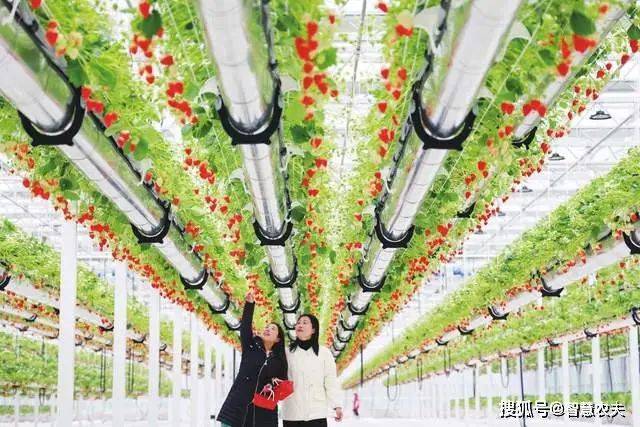
According to the director of wisdom farmer agricultural technology ltd. In beijing: in the area of applications, the development prospects for soilless cultivation are also wide. In addition to continuing deep cultivation in traditional areas such as vegetables, flowers, medicinal plants and fruit-wood cultivation, an important role will be played in emerging areas such as urban agriculture and space agriculture. In cities, soilless cultivation using space such as roofs, balconyes, etc. Of buildings can achieve “self-sufficiency” in cities, reduce losses and carbon emissions in the transportation of vegetables and provide urban residents with fresh and healthy agricultural products. In space exploration, soilless cultivation is a key technology for achieving the food self-sufficiency of astronauts and is important for future space bases and long-term space missions。
It is believed that, driven by science and technology, soilless cultivation will take a more prominent place in future agricultural development, providing new ideas and programmes to address global food security, resource shortages and ecological conservation。