Introduction
As modern agricultural technologies continue to develop, soilless cultivation as a new form of cultivation is receiving increasing attention. Landless cultivation not only improves the production and quality of vegetables, but also effectively reduces the use of fertilizers and pesticides and environmental pollution. This paper will describe in detail the methods of growing organic vegetables without soil and will help readers to better understand the technology。
Basic principles of soilless cultivation
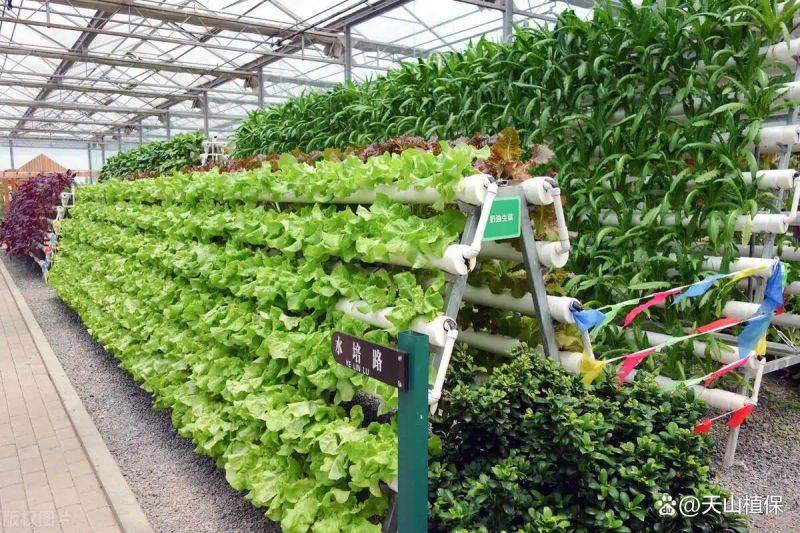
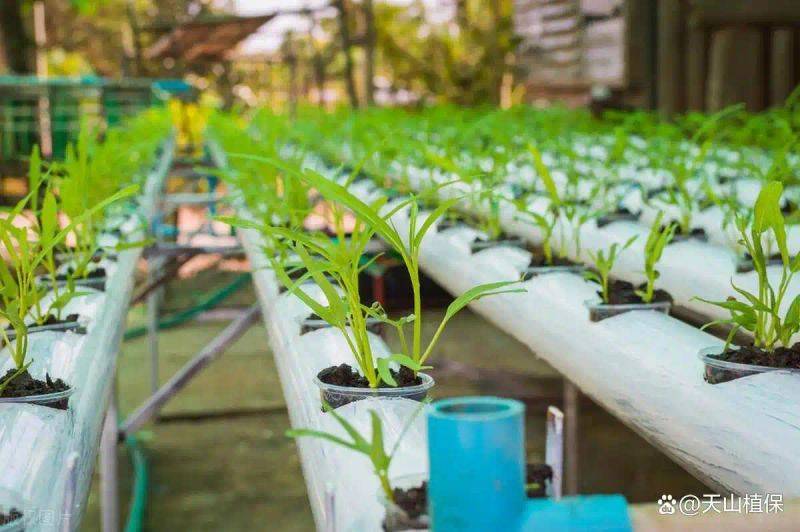
Soilless cultivation is the method of breeding plants without natural soil but using a variety of solid or liquid media. The rationale is that plants grow normally when they are removed from the soil by artificially regulating the nutrients, moisture, oxygen and light required for plant growth. The advantages of soilless cultivation include water conservation, fertilizer conservation, high productivity, quality and environmental protection。
Iii. Methodological methodologies for enforcement of obligations
1. Selection of suitable planting containers
Soilless cultivation requires the selection of suitable planting containers, which are commonly used in plastic basins, foam boxes, wooden boxes, etc. The size of the packaging is determined by the type of vegetable and the growth cycle, and generally requires good air penetration, temperature protection and durability。
Preparation for planting media
Non-earthed media can be neptunite, pearl rock, coconuts, rice shells, etc. These media are well ventilated and water-protected. When selecting the medium, care is taken of its ph, ec and other parameters to ensure that the medium is suitable for vegetable growth。
3. Configuration of nutrients
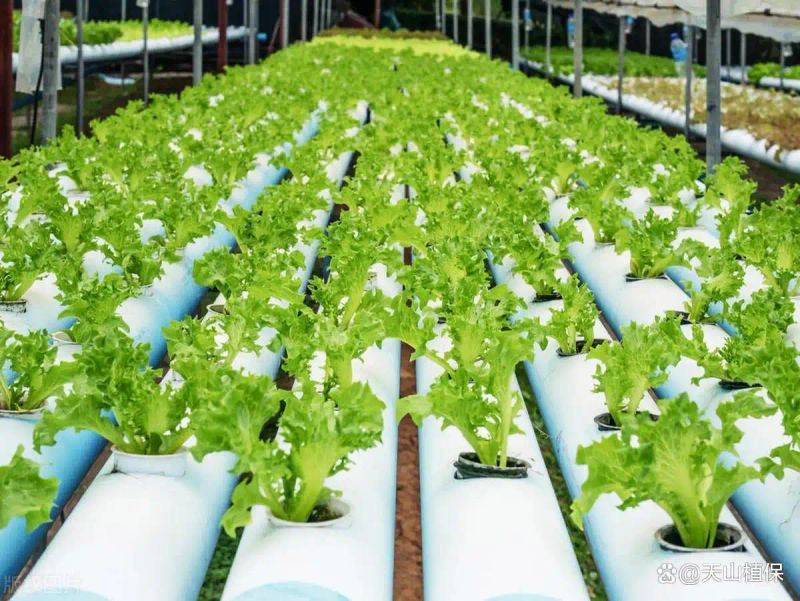
Nutrient fluids are at the heart of soilless cultivation and provide the nutrients required for vegetable growth. The distribution of nutrients needs to be adapted to the type and stage of growth of vegetables to meet their different needs. Common nutrient formulations include the hogrange formulation, the japanese garden trial formulation, etc. In the distribution of nutrient fluids, care should be taken to balance and control nutrients and avoid overnutrition or undernutrition。
4. Sowing and shifting cultivation
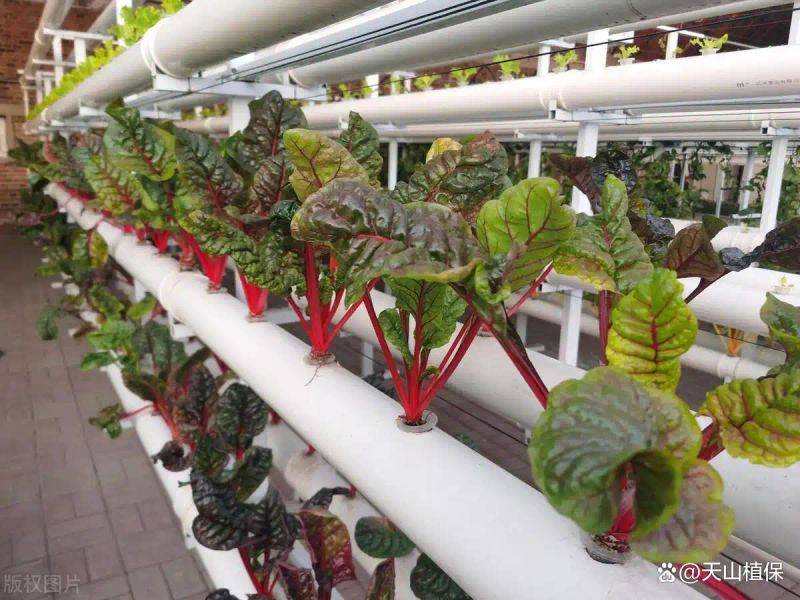
Landless seeding is broadcast live and seedlings are distributed. Live broadcasting applies to the production of long-term, short-lived and fast-growing vegetables, such as spinach, lettuce, etc., while shifting cultivation applies to the production of long-term, slow-growing vegetables, such as tomatoes and cucumbers. Seeds or seedlings are disinfected before seeding or planting to reduce the incidence of pests。
5. Daily management
Day-to-day management of soilless cultivation includes watering, fertilizer and pest control. The water should be based on the growth needs of vegetables and the humidity of the medium, which is wet but not wet. Fertilisation should be based on the stage of growth of vegetables and concentrations of nutrients, avoiding over-fertilization leading to salt. Pest and pest control requires a preventive and integrated approach, periodic monitoring of vegetable growth and timely detection and management of pests and diseases。
Attention to soilless organic vegetables
1. Maintain appropriate temperature and light
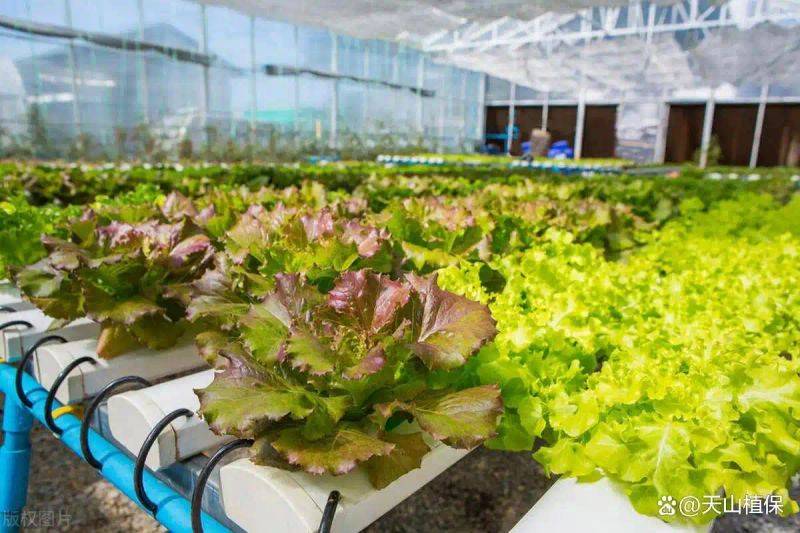
Unearthed organic vegetables require appropriate temperature and light to grow properly. In general, the growth temperature of vegetables is controlled at 20-30°c and the light time is not less than 6 hours/day. In the case of winter or insufficient light, temperature and light conditions can be increased by adding light or temperature protection facilities。
2. Pay attention to ph and ec values for trophic fluids
The ph and ec values of trophic fluids are important factors influencing vegetable growth. High or low ph can affect the absorption and use of nutrients, while high ec values can cause salt damage. Therefore, ph and ec values are regularly tested in the configuration and use of nutrients and adjusted as necessary。
3. Avoiding obstacles to association
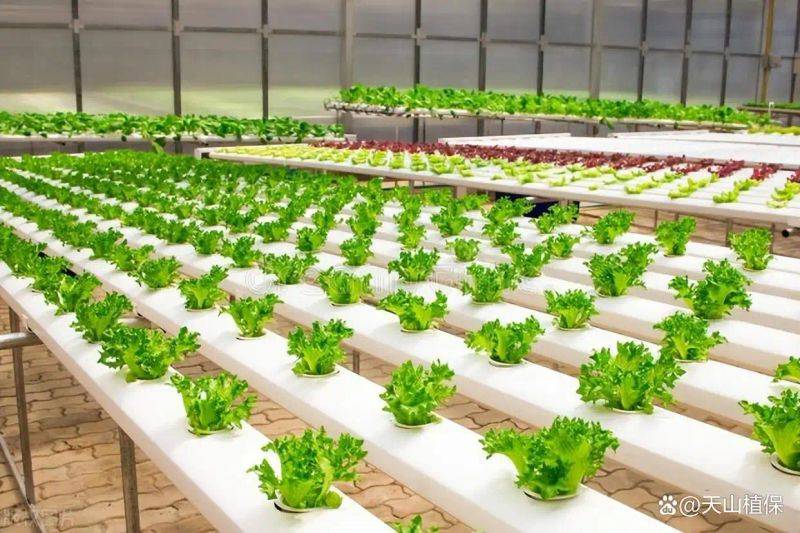
Conjunctive barriers refer to the continuous planting of the same vegetable on the same plot, resulting in reduced soil fertility and increased pests. In soilless cultivation, while problems of soil connections can be avoided, care should be taken to avoid the continuous planting of the same vegetables in the same container. In order to mitigate the effects of these obstacles, cropping can be done on a rotational basis。
4. Good pest control
Soilless organic vegetables, while reducing the use of fertilizers and pesticides, do not mean that there is no need to combat pests and diseases at all. It is therefore important to ensure the healthy growth of vegetables through a combination of biological, physical and chemical control during planting。
Concluding remarks
The soilless cultivation of organic vegetables is an efficient and environmentally friendly method of planting, which is important for improving the production and quality of vegetables and reducing environmental pollution. Through a mastery of the basic principles of soilless cultivation and methods of planting, combined with care in actual production, readers are confident that they will be able to grow healthy and delicious organic vegetables。