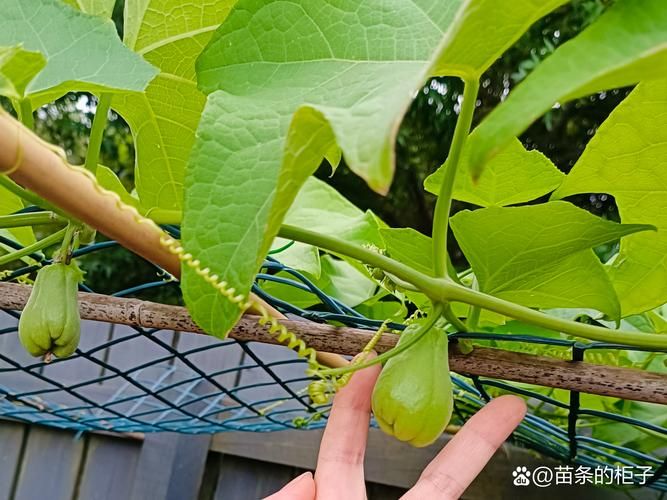
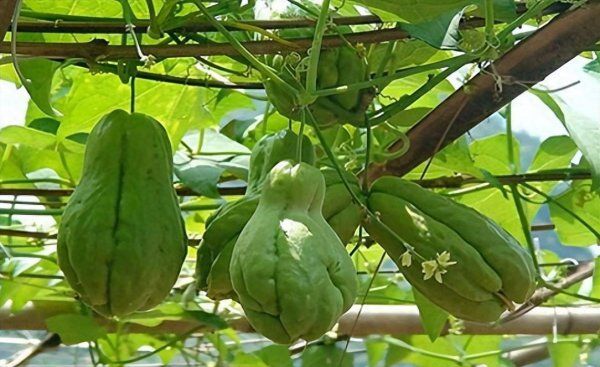
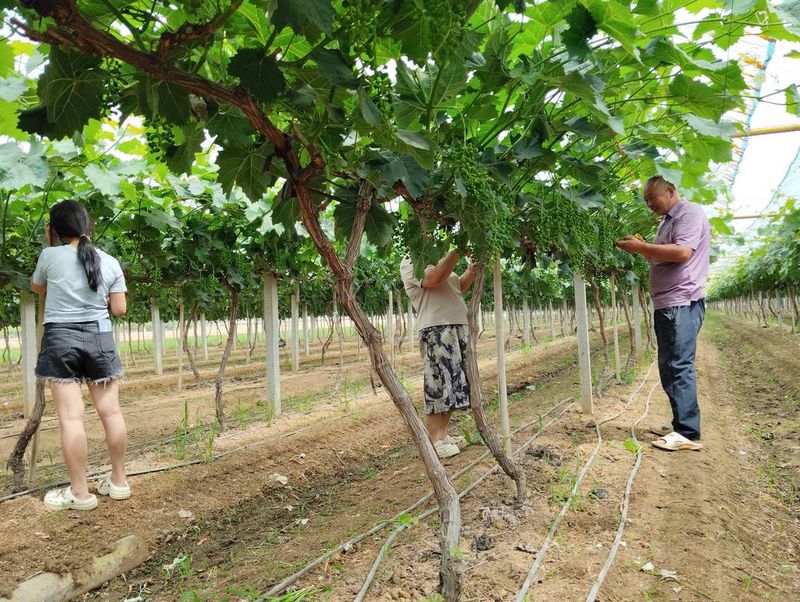
Three of the most recommended varieties under the bamboo forest are ginseng, yellow and heavy buildings. All three are expensive herbal plants, which are easy to survive under the bamboo forest and are of high economic value. Today, pharmacists planted in forests are a more popular and complex business model that not only makes efficient use of spare land to increase returns, but also sustains relatively stable ecological conservation of soil and water resources. However, when growing cash crops under forests, it is important to select the varieties of cultivation in the light of local climatic and soil conditions。
Artisan techniques:
Psychic is a common under-forest cash crop in the north-east and a valuable grassland that likes to grow in a cool and wet environment. As long as a bleak environment is maintained, most of our mountain regions are able to grow ginseng, so this plant is not as hard to plant as you would have imagined. In the process of planting ginseng, it would be preferable to use the loosely fertilized and fertilized soil as a base, to be careful to drain under the forest each year during the rainy season in order to avoid flooding, and to be able to apply some decomposition fermentation in the autumn, so as to facilitate the passage of winters and harvest three or four years of planting。
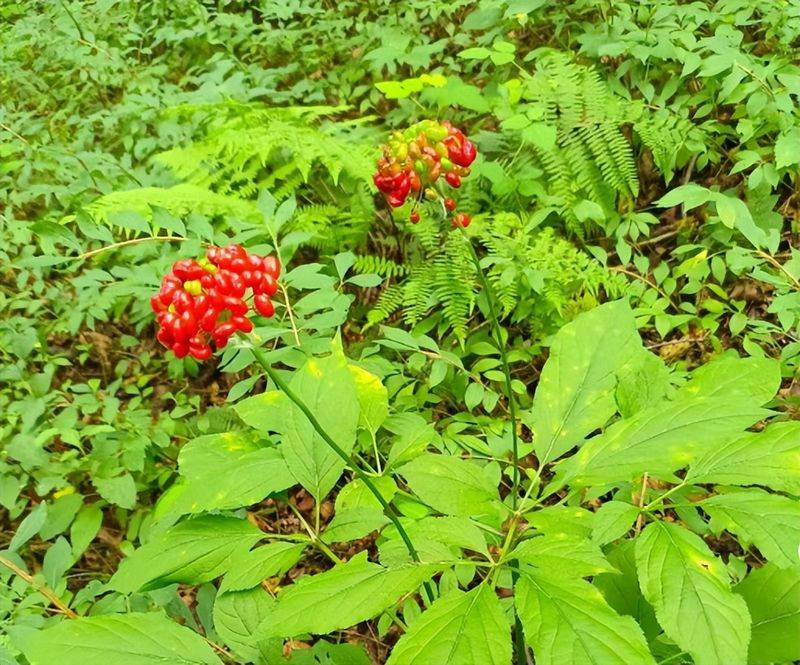
Plantation techniques under the yellow forest:
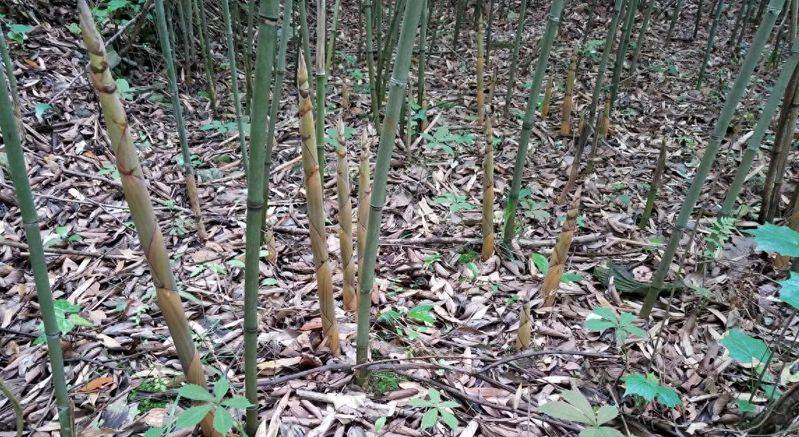
The market for yellow sperm growing under the forest, especially under the bamboo forest, is more than appropriate, because the long-accumulated bamboo leaves are very good organic fat, and the cold and lighted bamboo branches do not need any extra sunscreen, and when they collect yellow fertilizers each year, they leave their roots aside, so that they do not need to grow for the next year, so that the whole harvest cycle is similar to that of people, but they can be grown over the years。
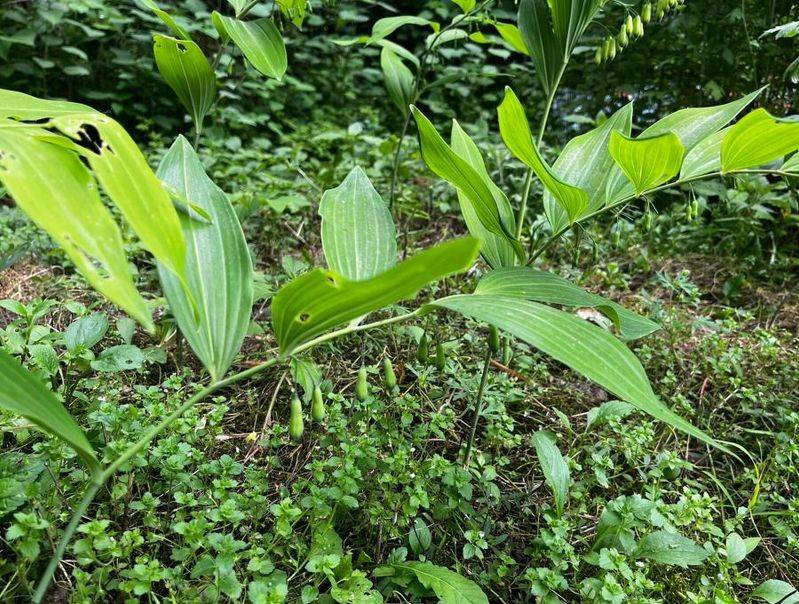
Craft under the forest:
It has always been a noble herbs plant, and now wild plants cannot be excavated, but in order to achieve optimal utilization of the buildings, people are emulating wild environments, while under the bamboo forest there is a relatively good natural growth advantage. The heavy buildings also prefer to grow in cool and humid areas, so that the northern slope of the bamboo forest is suitable for planting heavy buildings, both to keep them cool and ventilated and to avoid the direct burning of leaves from the sun. The planting methods of the heavy buildings are similar to those of ginseng and yellow. The key points are still waterproofing and morbid diseases, with special attention to ventilation in the plant growing environment。
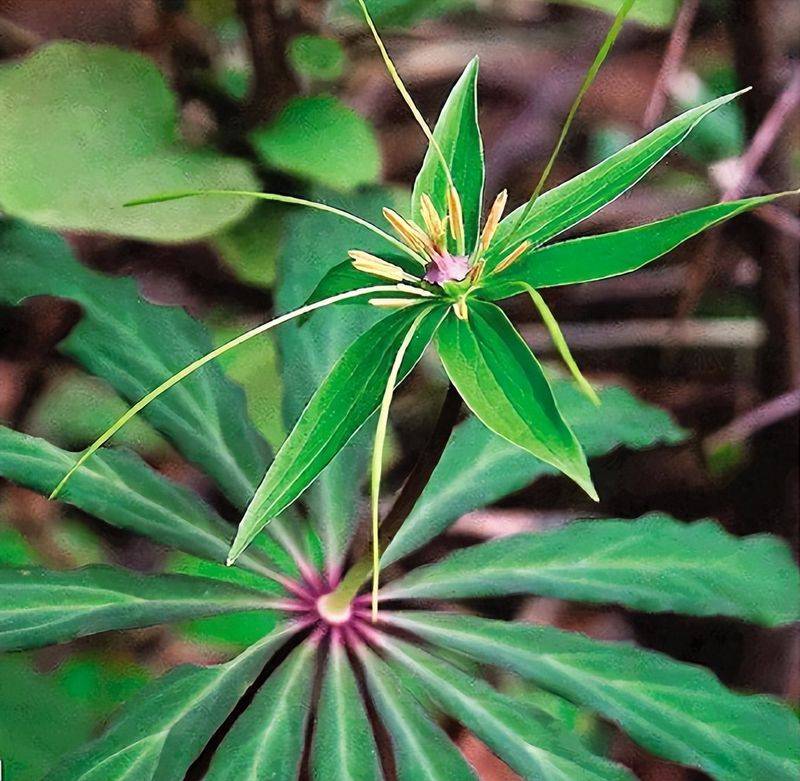
Apart from the three varieties that can be planted, yellow and heavy, there are many plants that are suitable for cultivation, such as yellow, silver and silver flowers, lilies, wood husks, pharmacists, and cybers, which are suitable for planting under the bamboo forest. Onom's proposal is still the one that begins. It is important to grow according to local climate and soil. It is best to choose native plants that can adapt locally