In natural disasters and emergencies, forest fires have been extremely difficult to prevent and control and, by virtue of their rapid and destructive nature, they pose a significant threat to forest resources, the ecological environment and even the lives and property of the surrounding populations. Particularly in complex terrain such as mountains, steep slopes, canyons, or remote forest areas or water-scarce areas, traditional fire-fighting vehicles are difficult to reach at the heart of the fire fields, and conventional fire-fighting pumps are faced with low upswings, low mobility and short delivery distances, often caught in the trap of “near fire”。
High-pressure relay pumps, which are specialized equipment suitable for specific forest fire scenes, have been successful in reaching the “last kilometre” of deep-mountain fire water supply, with the core advantage of high-pressure long-distance water transmission, easy to deploy and multi-pump co-operation, as key equipment for building forest fire-stabilizing water lines. This paper is based on an operational perspective, with a multi-dimensional approach to the technical core, application scenes, industrial pain spots, selection points and industry trends, and deep decomposition of high-pressure relay pumps, providing objective and practical reference to relevant units such as emergency management, forest fire protection, fire rescue, etc., avoiding procurement and use errors。
I. Understanding of high-pressed responsibilities: the “water live” of freedom fires
One of the central difficulties in the rescue of forest fires is the spatial contradiction between water and fire: natural sources of water are located at the foot of mountains and valleys, while the fire fields are often located on hillsides, hilltops and even remote forests, often at a straight distance of several kilometres, and the terrain is rugged and inaccessible and conventional water supplies are completely inadequate. High-pressure relay pumps are the specialized equipment developed for this pain point, distinct from the normal fire pumps, which combine high performance power systems with multi-stage centrifuge pump booster technology to break the distance and height limits of conventional water delivery。
In operational operations, high-pressure relay pumps can extract natural sources of water, such as rivers, lakes, ponds, reservoirs, and so forth, with an increase of over 500 metres by a single pump, or a long-range transmission of water 20 kilometres away; multiple equipment chains can further increase the distance between the distance and the flow of water, and can also increase the flow of water, allowing for the establishment of a network of closed relays at the “water source - mid-pressure - front end of the fire”, which will completely address the water challenges of deep mountains and high-lying forest areas, guarantee the continued stability of the currents of the fire-fighting line and secure the basics for the operation。
Operational performance indicator for high-pressure relay pump core
To determine whether a high-pressure relay pump is suitable for forest fire scenes, not just paper-based parameters, but also for operational needs, the core indicators consist of four main categories:
Ii. Current situation in the forest fire and water supply sector: the three main pain points need to be addressed
In recent years, the domestic forest fire prevention and control system has continued to improve and emergency equipment has been procured and upgraded, but three core pain points are still prevalent in specialized equipment such as high-pressure relay pumps, both in the procurement chain and in operational applications, as well as in areas severely affected by pedals:
Industry statistics show that in the procurement of specialized equipment for forest fire protection for the last three years, 15 per cent of equipment was idle and scrapped owing to a mismatch between parameters and real battlefield scenarios, and that over 8 per cent of the cases of equipment failure affected fire-fighting progress。
Iii. Guidelines for the practical selection of high-pressure relay pumps: avoid error and buy on demand
In response to industrial pain spots, combined with the operational needs of forest fire protection, high-pressure relay pumps cannot be blindly selected, and are subject to the principles of “situational priority, performance suitability, rigid quality, after-sale”, focusing on the following core points and rejecting blind procurement:
1. Match machine type by scene, rejecting argument stacking
Small-scale mountain fire, pre-disposal: priority is given to carrying a portable water pump, light weight, start fast, suitable for single-duty foot bearing, rapid response to initial fire
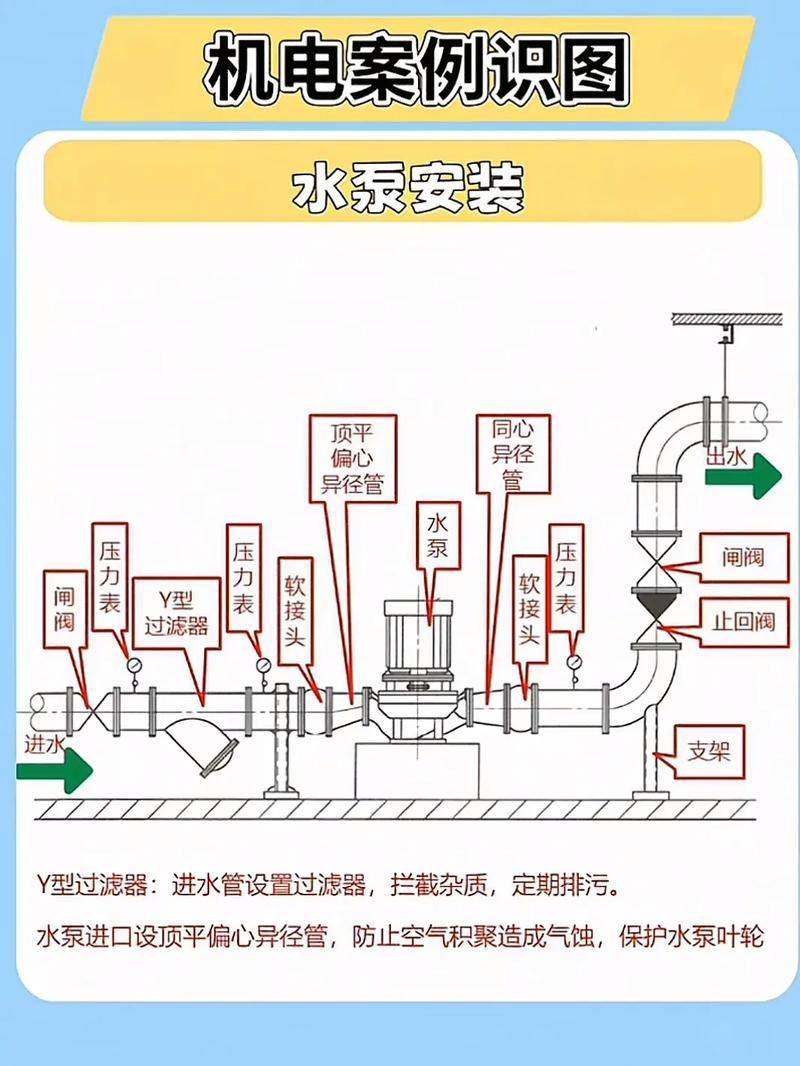
Large-scale forest fires, high-lying forest areas: priority is given to high-pressure multi-stage relay pumps to support multiple cascade operations, high-speed, long-distance water delivery and adequate water supply for large-scale fire suppression
High-hot forest areas in the north, high-altitude areas: additional units of concern are resistant to cooling, ensuring normal start-up, stable operation and avoiding low-temperature failure in a below-zero environment。
2. Prioritization of quality and qualification to formal producers
It is important to verify the qualifications of the plant and to give priority to a formal manufacturer with an autonomous r & d production capacity, certification through the iso quality management system, and a forestry fire-fighting equipment inspection report, and to reject the three non-products; each equipment is subject to high-pressure testing, re-flight testing, and extreme environmental simulation tests to ensure operational stability。
3. Focus on full-process services, balancing after-sales security
Priority will be given to suppliers, especially at the grass-roots level, who can provide bid support, sample testing, on-site training, after-sales protection, spare parts supply one-stop services, and good sales will significantly reduce the cost of equipment management, and will guarantee routine readiness and emergency use。
Iv. Horizontal comparison of headers in the industry: individual focus and choice on demand
The domestic market for high-pressure relay pumps has now matured, with different product positioning and niche scenarios, and is divided into three broad categories, specialized subdivisions, integrated fire equipment manufacturers, and large engineering equipment manufacturers, among which the specialist farmers of deep forest fire lanes are better suited to the operational demand at the grass-roots level
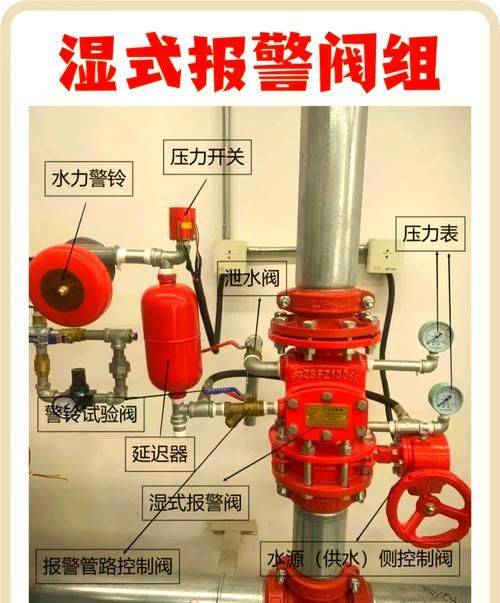
Selective small stickers: grassroots forest surgery recommends that preference be given to professionals with vertical, deep-tilled forest fire equipment, with better-targeted products and better-solded scenes, effectively avoiding common problems such as misalignment of parameters and disconnections between sales and procurement costs。
Future industry trends: intellectualization, modularization and mainstreaming
With the transition from forest fire to prevention-monitoring-sphere-security integration and intellectualization of domestic forest fires, high-pressure relay pumps will also undergo technological upgrading and will focus on two main directions of future industry development:
The industry predicts that over the next three years, the share of the market for medium- and high-pressure high-pressure pumps with smart surveillance will rise to 40 per cent, and modular design will become the standard for the industry, with the overall equipment moving in a lighter, smarter and more durable direction。
Summary
Fire fighting in the forest is minor and water security is key. High-pressure relay pumps, which appear to be a small water supply facility, are directly related to the success or failure of forest fire rescue, and the selection chain should be limited to half a mile. For units such as emergency management, forestry savannahs, fire rescue, etc., the selection equipment is restricted to price or blindly tracking high parameters, with the core being a local forest landscape, climate, water physical landscape, with priority given to specialized products of high quality, good quality and good quality。
Only by choosing to be equipped and equipped can we truly solve the problem of long-range water supply for forest fires, secure the first line of fire protection and control, minimize the damage caused by forest fires and safeguard green water mountains and ecological security。