Tomato soilless management techniques
The primary reason why tomatoes are representative of unearthed plants and are now the largest growing area in soilless farming is that they are not as pitiful as other plants, easy to grow, and more simply improve the quality of fruit, and soilless cultivation is easier to produce many varieties, high quality, safe, and healthy。
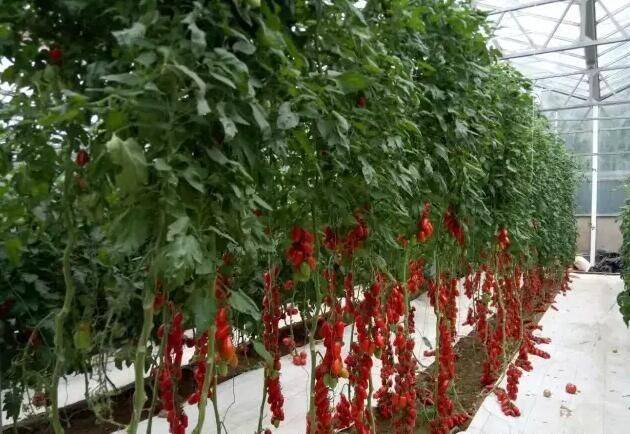
1 cultivation season and species selection
1. 1 determination of the planting season
Our country is currently growing tomatoes without soil, divided into two general vents. The first one is a year and two, the first is a spring tomato seeding in the eleventh to december, the first in the month of january to february, the second in the month of april to july, the second in july, the second in august, and the next in october to january. The other type of poaching is the one-year winter drop to plant tomatoes, suitable for hot winter temperatures and fully luminous greenhouse cultivation. Most seeded in the months of 8 to september, planted in the months of 9 to october, and collected from november to may of the following year。
1. 2 varieties selection
Tomatoes are more demanding for light, fall light is weaker and light is significantly less strong, and those who are less requiring low-temperature light should be selected for the fall and winter festival. Of particular note in recent years has been the gradual increase in the number of varieties of good-quality and sugar-rich tomatoes. Taiwan's species of saints, gold, etc。
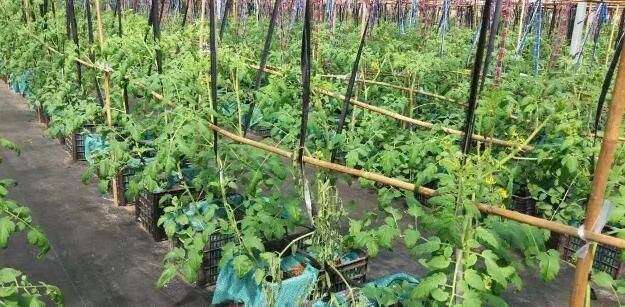
2 cultivation and planting
2 cultivation and planting
2. 1 choice of planting periods
In south china, a year and a half of a year is used for tomato cultivation in greenhouses. The tomatoes were planted between december and january of the following year, and ended in may and june; the tomatoes began planting in early august and ended in january and february。
2. 2 leaching seedlings
Five to ten minutes of immersion with 50°c water, disinfecting the seeds, cleaning the water for three to six hours, wrapping it in a thermostat of 25 to 30°c, and bulging for two to three days。
2. 3 seeding
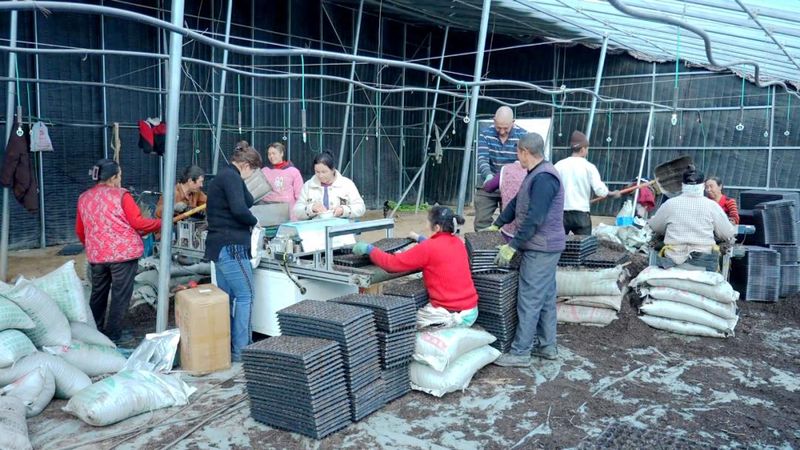
Seeds are given and then placed in a nutrition bowl, or in a basket with a foundation, with two to three seed grains (per cup), covering a matrix, covering the sunnet, and clear water. Slept beds are selected for ventilated water and are not susceptible to disease. 5d under 20-30°c。
2. 4 shrimp management
After that, the seedlings begin to grow, leaving a healthy seedling and eutrophication in each sap。
2. 5 plantation
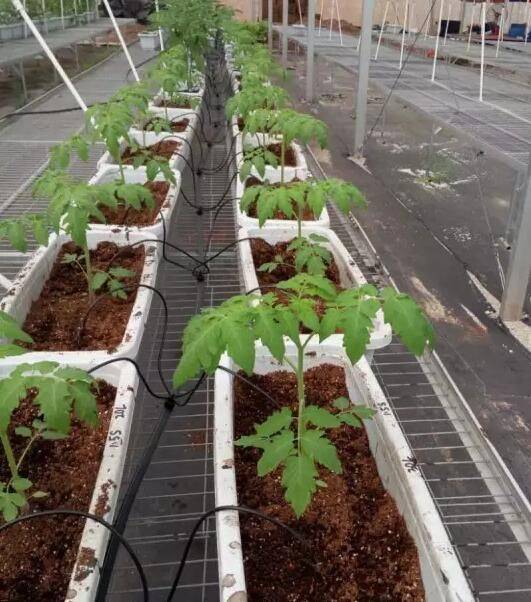
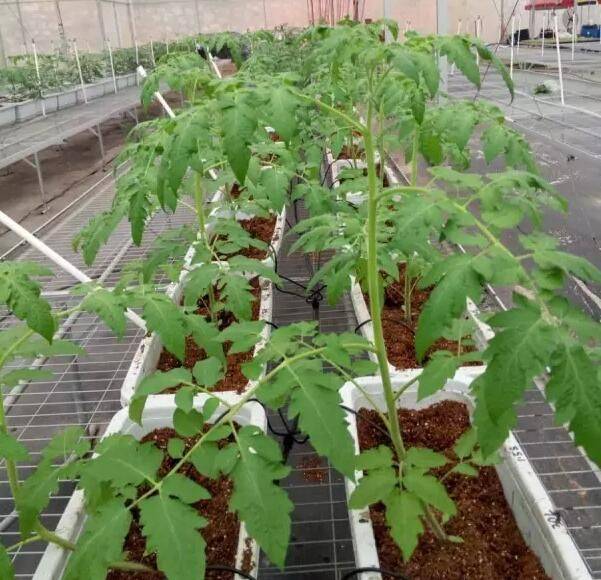
When the seedlings grow between six and seven leaves, they are planted on a planting bed。
4 whole branch and pollination
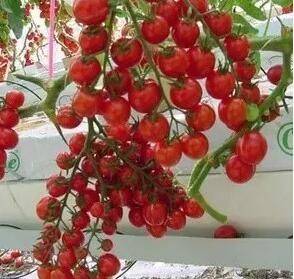
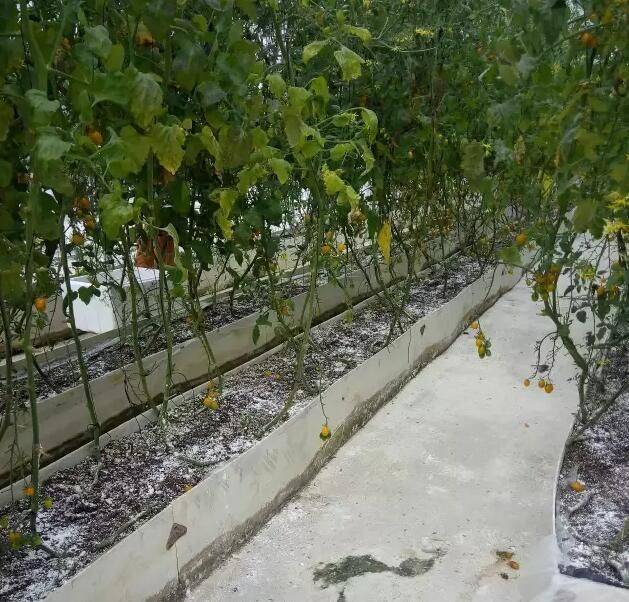
When the tomato grows to a certain height, it needs to be tied to the foundation of the tomato, and on the other side to the top of the wire, the tomato grows around the rope. The whole branch was carried out during the day, thus facilitating the healing of the tomato wound. The first layer of the medium fruit is four, the second and third layer is five, and the large fruit varieties are three, ensuring rational use of nutrients to grow upwards and remove deformed fruit in time. The cherry tomato layer will leave everything
For more information on soilless farming technologies, please focus on the science and order greenhouse www. Sdkcws. Com