A few days ago, journalists arrived at the 361-neighborhood-neighborhood pavilion on the north road of chongchang, jiangxi province, where there was hot air, people came and everything was well-being。
"the waiter, three more large quinoons, and the quinoons are selling too much meat, and we're going to have to get more quinoons tomorrow from nanchang county, go-hyun county, the new district." the hotel manager said。
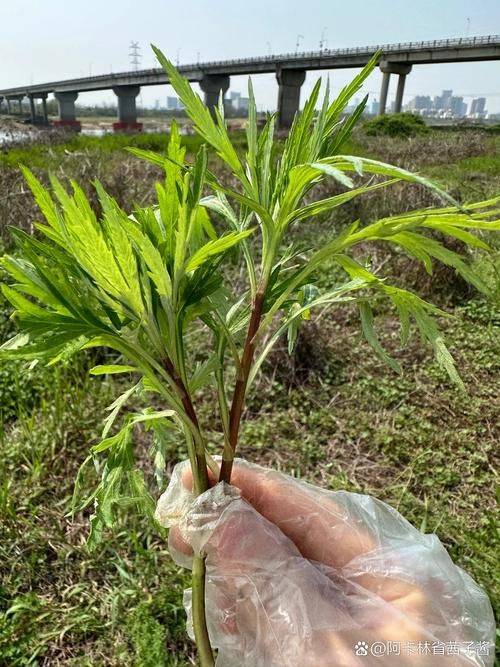
“it is now the season of quinoa artemis sale, and the deliveries are around 8,000 pounds a day.” in the village of takeyama, nanchang county, the quino-agriculture quino plant was planted on the side of a car-loading station。
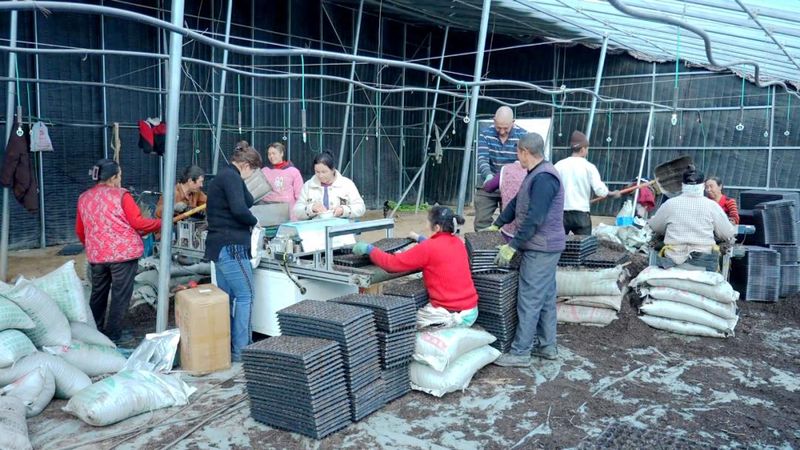
With the limited, seasonally strong production of quinoa on the lake, which does not meet market demand, in 2004 thousands of small-scale farmers in their villages began “to domesticate” wild quinoa on dozens of acres of land and to find market-appropriate quinoa artemisinin varieties by cutting off the branches of quinoa. After three years of exploratory work, the quino-photo breeds “fruity, warm” seedlings, while actively promoting green cultivation patterns and reducing the use of fertilizers and pesticides, making quinoa quino-acoustics attractive。
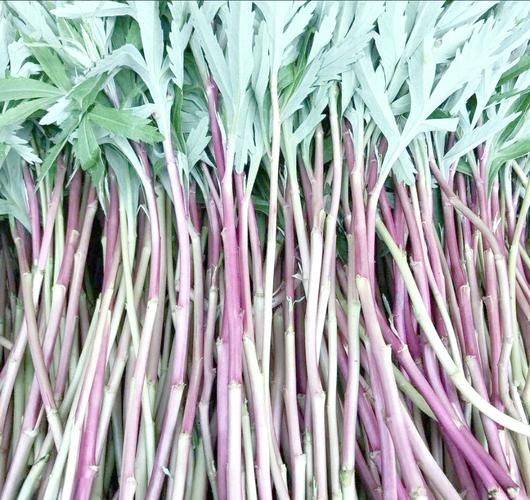
To be rich is to be remembered. As a result of the active teaching of artificial farming techniques to others, more and more people are growing quinoa artemisinin in nanchang county and the brand of quinoa artemisinin has grown in size. In nanchang county alone, nearly 100 farmers worked with him to grow quinoa artemisinin. In 2021, 70 acres of agricultural land were contracted to grow quinoa artemisinin, eliminating seedlings, manual inputs, etc., in the town's village of takelin, and earned a net income of more than $210,000。
Through the harmonization of land transfer, construction and division of households, and management of households, the quinoa community has made a significant contribution to the construction and development of the quinoa artemisinin industry. In addition, a process monitoring and guidance service has been introduced for rural households, and industrial chains and socialization services have been established. Currently, there are 20 community-wide quinoa artemisinin-growing sites with an area of more than 8,000 acres and an annual production of 20,000 tons and an annual production value of 160 million yuan, covering more than 300 people in local employment. In 2023, quinoa was ranked among the country's best agricultural products。
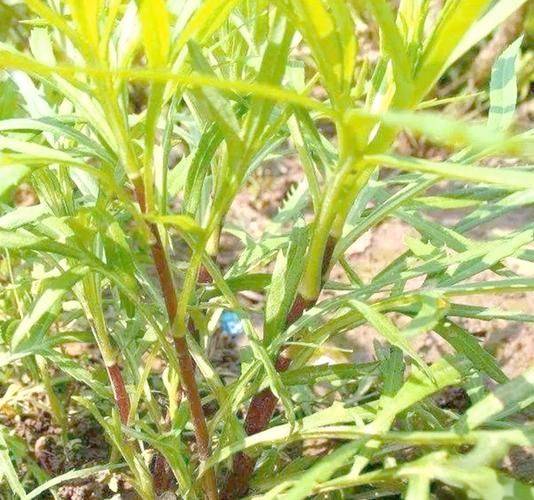
Quinoa, once the “weeds” in the lake, became “rich food” for the local villagers. Daily people's journal (21/024, 13th edition)