Garlic is a very popular vegetable in our country, mainly for various dishes. Garlic has many effects, and its contribution to human health is significant, and has been welcomed by many. And when we grow garlic in the early spring, we need to manage the field. So how exactly do we do this? Let's give you a brief introduction to the early spring garlic field management。
1. Increasing temperature
Early spring, although the temperature has gradually recovered, is still relatively low and prone to the onset of winterization. So we have to warm up in time as the early spring garlic enters its youthful years. First, covering membranes is to be removed and the membrane is to be more luminous and can effectively increase the temperature. The membranes are then carefully examined and if they are found to be damaged, they are repaired in a timely manner. Avoiding membrane damage leads to cold wind intrusion, increasing the hypothermia of the membrane and ensuring normal growth of garlic。
2. Fertilizer water management
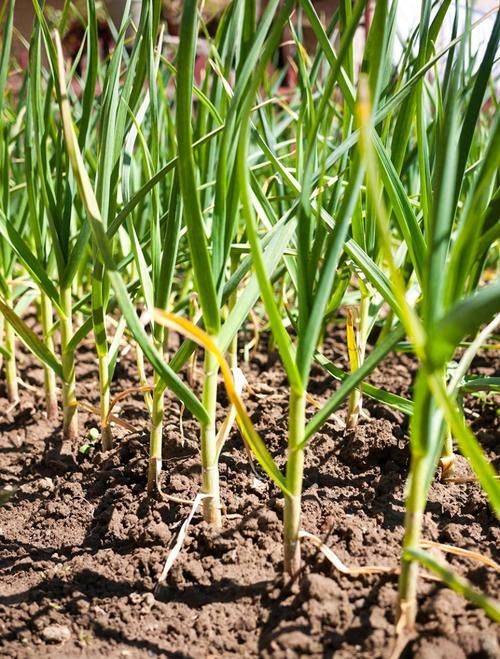
Early spring management of fatty water is very important. There are more mornings and mornings, and we should do water and fertilizing over four days in a row. Fertilizers, which are dominated by flushing and potassium nitrous phosphorus fertilizer, are kept at around 20:15 kg and are combined with water. If the soil is too dry, the water should be poured in time for late march. However, it is not generally premature to water the timing of the water, otherwise it is likely to cause disease at the root and there may be secondary growth in garlic。
Every time we have water, we must be careful to cultivate it properly. Increase soil permeability and ensure regular water penetration. It can both raise the temperature and ensure that garlic can grow properly. At the beginning of april, garlic growth is regularly checked. If yellow spots are found in garlic blades, then fertilization should be done again in time. Fertilizers are generally dominated by fast-acting nitrogen fertilizer, with application at around 20 kg per acre。
3. Disease prevention and treatment
Early spring garlic, if poorly managed, is highly susceptible to diseases. Of these, leaf deadness and asymptomatic disease are common. So, in the early spring, we should also focus on the management of disease prevention and treatment. Garlic is prone to white dots on the tip of the leaf, or light brown dots on the side. In serious cases, it causes the entire leaf to die, the base to be examined for decay and the plant to fall. It is therefore necessary to combat it in a timely manner by using agents such as polybacterials or rustics。