I. What is psychodynamics
There may be many friends who are very interested in psychology and who know a little about it, such as general psychology, development psychology and social psychology. But many friends may not know and have never heard of “psychological dynamics” and feel a little strange, but it is an important sub-scientific。
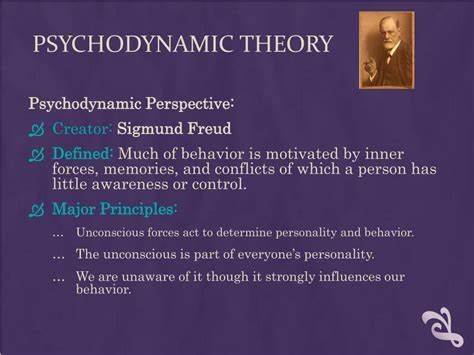
In short, psychodynamics is an important branch of psychology, which is derived from freud's psychoanalytical theory and focuses on the psychological processes within the individual body, especially how unconscious factors affect human behaviour, emotions and ideas。
The psychodynamic theory assumes that human psychological activity is driven by a variety of psychological dynamics, which can be unintentional conflicts, desires, motivations and emotions. In addition to this, psychodynamics focuses on how factors such as personal history, early experience and family environment influence individual psychological development and behaviour。
Ii. Development history of psychodynamics
The origin of psychodynamics dates back to the end of the nineteenth century and the beginning of the twentieth century. The most representative figure is the austrian psychologist, sigmund freud, whose psychoanalytical doctrine provides an important basis for psychodynamics. He believes that the mental activities of the human person are not only dominated by consciousness, but that more in-depth psychological content stems from unconsciousness, which can be revealed through dreams of the patient, free association, etc., and its effects on behaviour。
In freud's theory, individual behaviour, emotions and ideas are often manifestations of unconscious desires and potential conflicts, often stemming from early family circumstances, childhood experience and individual instincts。
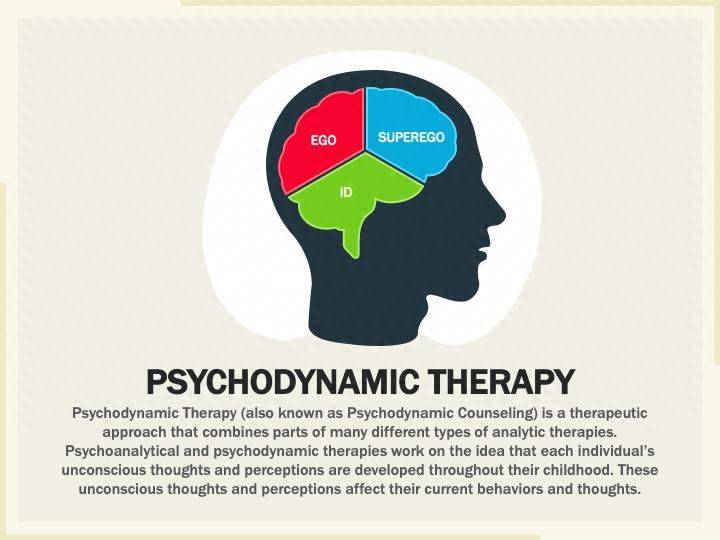
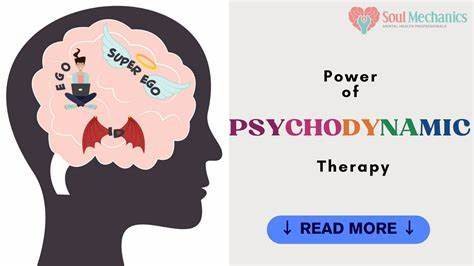
One of its core theories is that the human personality consists of three parts: me (id), self (ego) and superego. I am the primitive instinct of human beings, seeking instant satisfaction; self-regulating in the real life of individuals, balancing the contradictions between myself and the super-me; beyond me, representing moral and social norms, emphasizing adherence to rules and responsibilities。
Iii. Core concepts of psychodynamics
1. Unconscious
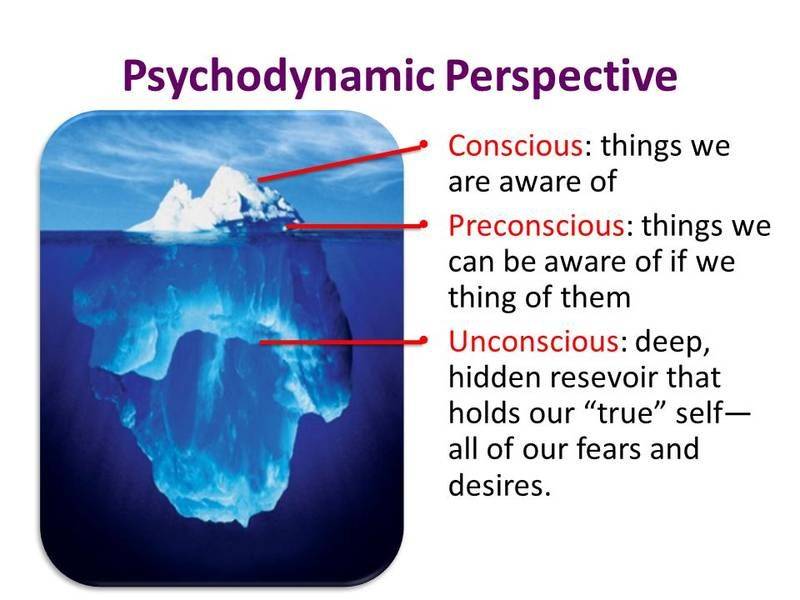
Ignorance is one of the core concepts of psychodynamics. Freud believes that most of the psychological activity of human beings is unconscious and that individuals are not able to contact them directly through the normal process of consciousness. Ignorance encompasses individual repressed desires, memories, conflicts and emotions, which profoundly influence individual behaviour, emotional responses and interpersonal relationships。
Defence mechanisms
The defence mechanism is an unconscious psychological strategy adopted by individuals to avoid anxiety and internal conflict. For example, depression refers to the forcible exclusion of painful memories or feelings from consciousness; denial refers to the refusal to acknowledge the pain or threat in reality; and projection refers to the attribution of feelings or conflicts to others that they do not want to face. These mechanisms help to reduce individual psychological stress, but overuse of defensive mechanisms can lead to mental health problems。
Three, ben, myself and beyond
Freud's triple model emphasizes conflicts in the psychological fabric of human beings, in which i am the most primitive and basic part of the human personality, representing unconscious physical needs and desires and the pursuit of instant satisfaction. The self is part of the individual reality that regulates the conflict between me and the super-me, seeking to strike a balance in the real world. I am the representative of moral and social norms, internalizing the values of parents and societies and constraining my impulses。
4. Subconscious conflict and psychological symptoms
Psychodynamics suggests that deep-seated conflicts among individuals often take the form of psychological symptoms such as anxiety, depression, coercion, etc. These conflicts may stem from early experiences, unresolved emotional problems or unmet needs. By analysing these conflicts, therapists can better help individuals better understand and address their psychological distress。
Psychodynamic therapy
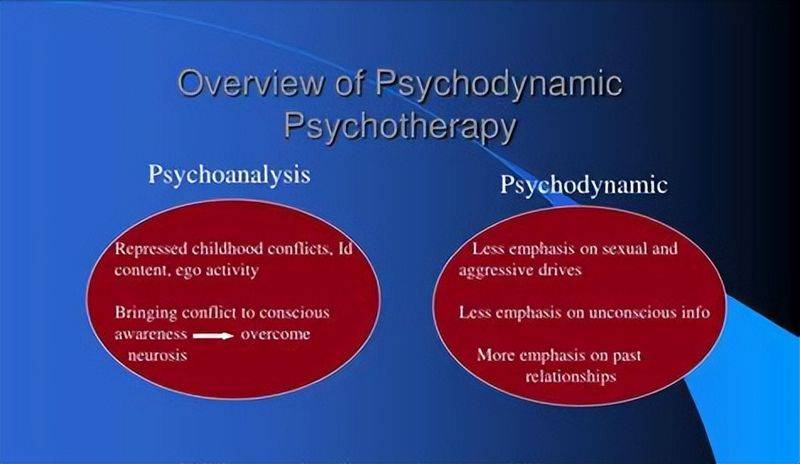
The main objective of psychodynamic therapy is to achieve psychological integration and healing by exploring the unconscious content of individuals and helping them to become aware of the underlying conflicts and motives. Psychodynamic therapy usually focuses on individual history, emotional and inner conflict, helping patients understand themselves and their relationship with others and society。
V. Application and impact of psychography
Psychodynamic therapy is now widely used in clinical practice, especially for individuals with deep psychological conflicts or more serious emotional problems. By helping individuals to explore unconscious conflicts, psychodynamic therapy can promote self-awareness, emotional rehabilitation and recovery of mental health。
In addition, psychodynamic theory has many applications in education and child psychology and interpersonal relations and leadership。
Vi. Conclusions
In general, psychodynamics is an important psychological theory system that provides a unique perspective on the individual's inner world, unconscious motivations and reactions to their behaviour, with important and far-reaching implications for psychotherapy, clinical psychology and research into personality theory。