Some of the black hats that old seo technology used to use
The following is a brief explanation of the terms related to seo, covering its rationale and purpose:
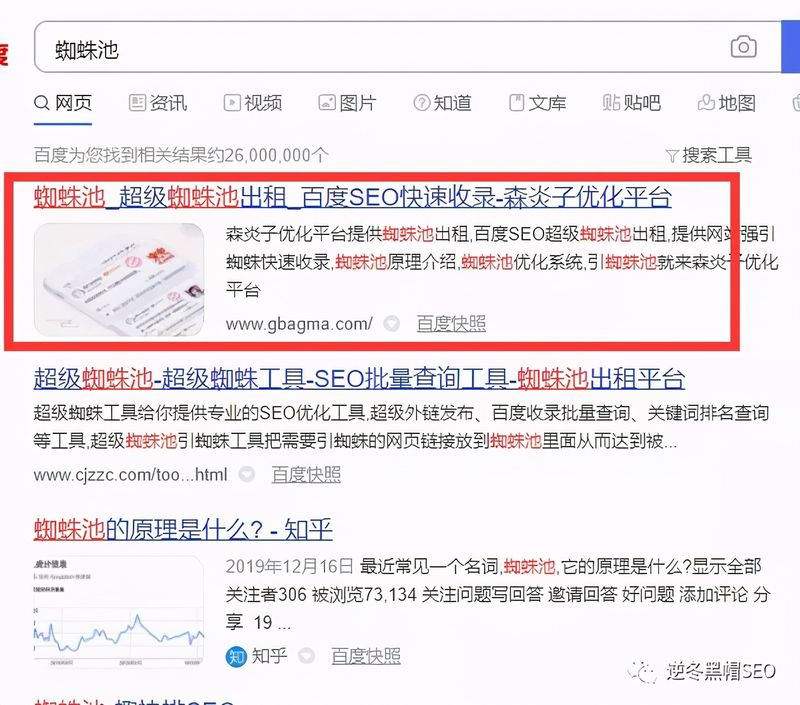
Spider pool
Principle: create automated content and set up internal links through the construction of a large number of stations (domain names or sub-catalogues), attract search engine spiders to capture frequently, and form a “cycle crawling” structure. The core of the spider pool is to update the number and frequency of domain names to allow spiders to leap through the community and increase the exposure of target pages。
Purpose: rapidly increase the speed and ranking of target sites, especially for new stations or low weight stations. For example, the creation of subsites through a pan-domain name generation tool, the embedding of the target link into the station cluster page, and the use of the spider's high-frequency capture to achieve weight transfer。
Risk: if detected by a search engine, the site may be subject to de-authorization or closure。
Spider farm (link farm)
Rationale: similar to spider ponds, but with greater emphasis on “low-quality station chains”. By creating hundreds to thousands of empty content websites, there is an intensive exchange of outer chains between them, creating false “authorities”。

Purpose: to increase the external chain weight and ranking of the target station in the short term, using cross-referenced deceptive search engines between stations. For example, wastebin communities generate a large number of interconnected pages through automated tools that simulate natural link structures。
Risk: as a result of the upgrade of the search engine algorithm, such operations are easily identified as cheating, leading to punishment of the entire site。
3. Link exchange
Rationale: bulk acquisition of external chains through non-natural means (e. G. Garbage forums, low-quality catalogue stations) or exchange of links with other black hat sites. Some of the black hat technology combines a “chain wheel” structure with layers of transfer power to target stations。
Purpose: to rapidly increase the number of external chains, bypassing the filtering of low-quality external chains by search engines. For example, a parasite program is used to automatically generate pages with external chains, or to purchase forum signature links。
Risk: if the outer chain is of too low quality (e. G., a refuse station link), it may trigger an anti-waste algorithm for the search engine。
4. Press release outlinks
Rationale: the mass distribution of false original content containing links to targets on low-quality press release platforms (e. G., the automated distribution system) and indirect ranking of target stations using the platform's seo weights。

Purpose: low-cost access to large external chains is particularly appropriate for short-term replication. For example, hundreds of press releases with keywords were generated through scripts and embedded in the outer chain。
Risks: the low quality of the content of such platforms and their ease of being labelled as garbage by the search engine, leading to ineffective and even reverse punishment of the outer chain。
5. Delineation of government/medical websites heavy
Principle: to increase the credibility of the target station by using the weight of the main station, by means of technical means (e. G. Pan-area name resolution or mirror) tied to a sub-director of high-weight gratuity domain names (e. G. Government, medical category domain names)。
Purpose: to gain the trust of the search engine quickly, taking advantage of the natural advantages of high-weight domain names. For example, by copying templates for high-weight websites and replacing key messages, traffic is hijacked through mirror sites。
Risk: replicating content that is identified as copying or malicious hijacking may trigger legal risk and a search engine ban。
Secondary domain name analysis of a university college website, pr-7
6. Browser simulation of search click

Principle: simulate real user searches and click on target links using automated tools (e. G. A chicken computer or proxy ip pool) to create high-flow images to deceive search engines。
Purpose: to increase the number of hits and time spent on pages in the short term, affecting the ranking algorithm of the search engine. For example, the use of scripts to control multiple ip devices to access target pages and simulate natural user behaviour。
Risk: search engines can automatically identify hits through ip fingerprints, behaviour analysis, etc., resulting in sites being marked as cheating。
I've dialed a letter from a third-line city
Summary
The above technology is a high-risk, black hat seo instrument that, while able to raise its ranking in the short term, may face long-term reliance on search engine penalties, legal disputes and reputation losses. In practice, benefits and risks need to be carefully weighed and white hat optimization strategies preferred。
You can't do the seo in your own country now. You have to do the sem, the site pulls out the seo