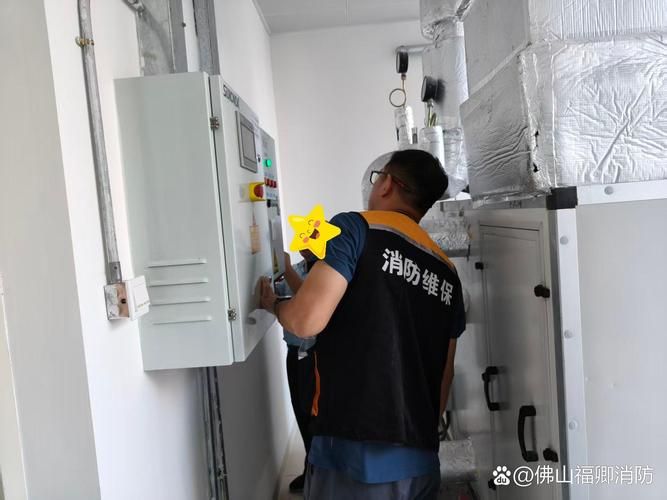
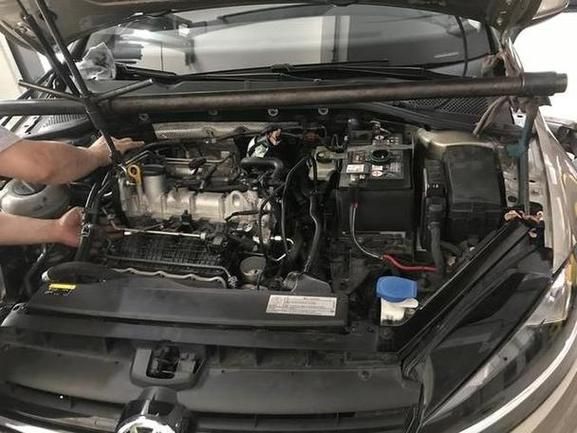
The technical standards for air conditioning maintenance, which specifically address failure diagnosis and maintenance operations for air conditioning equipment, elaborate on pre-maintenance preparedness, failure diagnostic processes, common failure maintenance, spare parts replacement maintenance, refrigeration system maintenance, post-repair commissioning, safety codes, service specifications, etc., and are suitable for training and operational guidance for the air conditioning maintenance team in riyadh。
- internal information
Chapter i general provisions
1. 1 purpose of preparation
This standard is developed to regulate the air conditioning maintenance operations of the riyadh cleaning company, to clarify technical requirements and safety regulations for fault diagnosis, maintenance operations, replacement of components, system commissioning, to ensure quality of maintenance, restoration of equipment performance and proper user usage。
1. 2 scope of application
This standard applies to the various types of air conditioner maintenance services performed by the leyade cleaning company, including domestic sub-body air conditioning, commercial central air conditioning, multi-line systems, windpipes, smallpox, etc. Covers common issues such as non-refrigeration, non-heating, leaks, acoustics, circuit failure, system failure, etc。
1. 3 basis of preparation
This standard is based on the safety of room air conditioners, appliances for domestic and similar uses, the maintenance specifications for refrigeration air-conditioning equipment, the technical specifications for refrigerant recycling, the engineering specifications for installation of electrical installations and national standards and industry regulations for the air-conditioning maintenance industry。
Chapter ii. Preparation for maintenance
2. 1 information gathering
The user describes the details of the user's description, the malfunction, the time, the use environment and the historical maintenance。
The types confirm the air conditioner brand, model, number, date of production, time of installation, technical information and common malfunctions。
Pre-qualification is prepared for possible failure based on the description, with corresponding tools, spare parts, detectors。
2. 2 tools
The detection tool is a universal meter, a plating current meter, an electronic leak detector, a pressure gauge group, a thermometer, a wind speedometer。
Maintenance tools wrench, screwdriver, plier, cutter, mouth amplifier, vacuum pump, welding equipment。
Common spare parts such as spare parts materials electrical capacitors, sensors, circuit boards, compressors, winders, refrigerants, etc。
Safe insulation gloves, protective glasses, seat belts, refrigerant recovery tanks。
2. 3 entry norms
Appointments confirm arrival at the door, arrive on time and be notified in advance。
The entrance protocol introduced itself, presented work cards, put on shoes, and placed mattresses in kits。
On-site communication hears user details, looks at malfunctions, describes inspection steps and cost estimates。
Chapter iii: fault diagnostic process
3. 1 visual inspection
Appearance check for deformation of outer casings, panel break-ups, wind vents, display screen failure codes。
Installation to check installation levels, fixed, piped connections, drainage paths。
Contaminated filters are blocked, evaporates are blocked, condensers are blocked and wind wheel dust is collected。
3. 2 operation detection
Electro-testers observe start-up processes, running sound, venting state, display screen information。
Model tests for refrigeration, heat-making, wind delivery and de-wetting。
Parameter measurements measure power voltage, running current, vent temperature, wind return temperature, pipe pressure。
3. 3 system testing
Refrigeration systems detect high pressure pressure, compressor currents, condenser temperature, evaporation temperature, refrigerant flow。
Electrical systems detect power voltage, control signals, sensor resistance values, circuit board output, electrical insulation。
The ventilation system detects wind speed, wind speed, wind resistance, and filter resistance。
3. 4 fault location
The code interprets the meaning of the failure code, consults the technical manual and locates the fault areas。
Sub-segregation check to identify faults in outdoor or indoor aircraft, electrical or refrigeration systems。
Validation to confirm replacement or adjustment of suspected malfunctioning components and to verify that failure has been removed and not blindly replaced。
Chapter iv maintenance of common malfunctions
4. 1 non-refrigeration failure
The causes of the failure were refrigerant leakage, compressor failure, condenser blackout, evaporation blackout, cavity blockage, four valves, sensor failure, circuit board failure。
The diagnostic method measures high pressure pressure, low pressure is fluorine deficiency or congestion, and high pressure is less than compressor or four valve problems. Measuring compressor currents, which are too small for compressor failure or fluorine deficiency, and too large for mechanical failure or voltage problems. Check the evaporation of the condensers and clean up the mess. Check sensor resistance values and deviate from normal value replacement。
Maintenance measures lack fluorine detection and welding, and vacuum filled refrigerants. Compressors fail to replace compressors, recycle refrigerants, weld new compressors, vacuum filling. Scrap the condenser evaporater. Block drying systems and replace dry filters. Four valve failure to replace four valves. Sensor circuit board failure to replace corresponding components。
4. 2 no heat failure
Four valves are not diverted, fluorine is missing, compressor failure, electrically supported heat failure, sensor failure and frost failure。
The diagnostic method irrigates normal heat and focuses on the four valves and the frosting system. Four valve-ring voltages are measured, normally at 220 volts, with no voltage review circuit boards. Forced frost to see if the four valves are shifting. Screening of frosting sensors and frosting circuits。
The four valves of the maintenance measures are broken and the cores of the valves are broken. Frost sensors are broken to replace sensors and frost circuit failure repairs circuits. Electro-heat failure to replace electro-heat tubes or fuses。
4. 3 leakage failure
The reason for the failure was the congestion of the drainage pipes, the rupture of the pipes, the installation of tilts, poor temperature condensation, and the evaporation unit, which was dirty and frozen。
The diagnostic method is to observe leaking locations, with drainage problems under the interior aircraft and condensation problems around the body. Check the drains and connect them. Check the level of installation, the temperature layer is intact. Check evaporation cleaner, airflow normal。
Maintenance measures include plugging or replacing drainage pipes and patching or replacing pipes. Installs a tilt readjustment level. The temperature is not good enough to reset the temperature, and the interface is sealed. The evaporater is dirty and cleans the evaporater。
4. 4 insight failure
The causes of failure are wind wheel deformation, wind wheel dust, axle bearing wear, compressor vibrations, pipe collisions and installation relaxation。
The diagnostic method hears the acoustic location and determines the mechanical or air flow. Check the wind wheel deformation dust, the bearing gap. Check the compressor for tremors and fix the pipes. Check that the installation rack is loose。
Maintenance measures for wind wheel transformation to change wind wheel, dust cleaning, axle bearing to replace bearings or electric generators. Compressor vibrate adjustment shock reduction or replacement compressor. Plumbing collisions adjust the position of the piping and load the tremors. Installation of loose and tight support racks。
4. 5 circuit failure
Reasons for failure are electrical voltage anomalies, circuit board failure, sensor failure, electrical failure, electrical failure, electrical failure, loose connection。
The diagnostic method measures power voltage, with a normal range of 198 to 242 volts. Measurement of sensor resistance and comparison of temperature resistance curves. Measurement of electrical circuits and insulation. Check the capacity. Check the end of the line for loose oxidation。
The maintenance measure voltage abnormalities suggest that users install pressurers or contact the power supply department. The circuit boards are repaired or replaced, and procedures are matched. Sensor failure to replace the same type of sensor. Electrical failure repairing circuits or replacing electrical units. Capability failure replaces the same size. Wires are loose and tight。
Chapter v. Spare parts replacement maintenance
5. 1 compressors replacement
Recycle refrigerants connected to recycling tanks, initiate compressors to recover refrigerants or use liquid recovery methods。
Dismantling old compressors to cut connections, removing electrical connections, removing fixed bolts and removing old compressors。
New compressor installed to check the appearance and confirm model specifications. Installation of fixed, seismic pads intact. Weld connections, nitrogen protection, protection against oxidation. Connect electrical lines。
The system handles vacuums to minus 0. 1 mpa, and the pressure check leaks. Charged to refrigerant dose, liquid charge or gas charge。
Test operation to check current, pressure, temperature, noise normal and no leakage。
5. 2 replacement of circuit boards
Confirms that the model confirms the circuit board model, the software version, matches the machine type, and the procedure is correct。
Power outage operations remove power and discharge the capacitor to prevent electrical exposure。
Dismantling old boards to record the location of the link, removing the connector and removing the fixed screw。
Installation of a new plate to connect lines by log, fixed screws, correct check。
Electron debugging the tester, all functions are normal, failure code is cleared。
5. 3 sensor replacement
Identification of location confirms the location of the sensor, temperature sensor, pipe temperature sensor, ring temperature sensor。
Dismantling old sensors to insert connectors and extract old sensors。
The specifications of the same type for the installation of new sensors are in place and have good access。
The debugging of the resistance values is normal and the temperature is accurate。
5. 4 electrical replacement
Dismantling the old power plant from the power source, dismantling the wind turbines, removing the fixed screws of the power plant and removing the old power plant。
Installation of new power-to-power specifications, robust installation and flexibility in rotation。
Electrical connections are connected by the original line and sequence correctly。
The test runs the tester, the speed is normal, the direction is correct and there is no abnormal noise。
Chapter vi refrigeration system maintenance
6. 1 refrigerant recovery
Recovery ready for recycling tanks, connections, pressure sheets, protective equipment。
The recovery operation closes the pressure valve, activates the compressor, connects the low pressure valve to the recovery tank, and recovers the gas to negative pressure。
If necessary, liquid recovery, control speed and prevent hydraulic shocks。
Recoverage records the recovery of cooling doses and assess system leakage。
6. 2 system leakage
Pressure detection leaks nitrogen gas or refrigerants up to high pressure and is protected for 24 hours with a pressure reduction of not more than 0. 02 mpa。
The electronic leak detectors detect connections, welds, valves, alarm points, leaks。
Soap detection leaks soap water with suspected areas and bubbles as spill points。
Refurbishment of leaks, vacuum and refilling。
6. 3 vacuum extraction
The vacuum pump connects to a high and low pressure and draws a vacuum at the same time, accelerating speed。
Vacuum level up to minus 0. 1 mpa, continued for more than two hours to remove water and air。
Pressure verification to close the vacuum pump valve for one hour, and the vacuum level does not rise to a satisfactory level。
6. 4 filling refrigerants
The charge is measured by the stamp note or combined by pressure current。
The charge method is liquid charge from high pressure side, gas charge from low pressure side, control speed。
Operating adjusted post-operational observation pressure, current, temperature, micro-altitude。
Chapter 7 - post-maintenance debugging
7. 1 functional tests
Refrigeration tests run a cooling pattern of 30 minutes with a vent temperature below 15°c normal。
The heating test runs the heat mode for 30 minutes and the vent temperature above 35°c is normal。
The pattern switch to the cooling heat-delivery wind-wetting mode to normal, and the four valves to normal。
The protective function is tested for overload protection, high pressure protection, low pressure protection, normal anti-frozen protection。
7. 2 parameter testing
Electrical parameter voltage, current, power factor in normal range。
Pressure parameters with high and low pressure pressure matched to temperature, load and no abnormal fluctuations。
Temperature parameters enter and leave the wind temperature, condenser temperature and evaporation temperature。
Noise parameters run without a significant increase in noise and no abnormal noise。
7. 3 leak review
The leak detector reviews the points of connection, valves, welds, and no leak alerts。
Soap review of key areas, soap review, no bubbles。
The observation operation operated for 72 hours, with steady pressure and no reduction in refrigerants。
Chapter viii security norms
8. 1 electrical security
The power was cut before the operation was repaired, and the inspection confirmed that the warning signs were mounted。
Insulation protection tools, insulation gloves, not operated by wet hands。
Capable discharges are discharged and re-operate to prevent electric shocks。
Local protection equipment is well located and electrical leakage protection is effective。
8. 2 refrigerant safety
Protective equipment for glasses, gloves to prevent freezing of liquid refrigerants。
Ventilating in case of refrigerant leakage to prevent asphyxiation。
Recovering regulates refrigerant recovery to dedicated tanks and does not release at will。
Environmental protection requires compliance with environmental regulations and that refrigerants are not released into the atmosphere。
8. 3 high altitude operations
The ladder is solid, smooth, and not too far。
The seatbelts are equipped with high operational seatbelts, which are mounted to low utility。
(c) the tools to prevent the loss of human life。
8. 4 weld safety
Fire protection measures welded areas to clear flammable materials and equipped them with fire extinguishers。
Welding measures to prevent poisoning。
Protective equipment welded masks, gloves, protective clothing。
Chapter ix: service norms
9. 1 maintenance quotations
The reason for the failure, the maintenance programme and the material requirements are explained to the user。
Detailed quotations for detailed labour, materials, door-to-door fees and high-altitude charges。
Users confirm the user's approval of the offer, sign confirmation and start maintenance。
9. 2 maintenance process
The normative operation operates in a standard process and does not break down in a brutal manner and does not increase failure。
(c) keep the cleaning tools in place and remove the parts in an orderly manner so that they are not dirty to the user environment。
The user communication key steps explain to the user the need for replacement by showing the damaged components。
9. 3 maintenance delivery
The functionality demonstration, after maintenance, demonstrates normal functionality and describes the use of caution。
The warranty description describes the duration of the warranty, the scope of the warranty and the contact information。
The signature confirms the user's receipt and inspection of the signature, the payment of fees and the issuance of receipts or invoices。
Clean up the site, clean up the garbage, and restore the status quo ante。
Chapter x
10. 1 standard interpretation
This criterion is interpreted by the leyad cleaning technology department。
10. 2 standard revision
The criteria are reviewed and revised annually and are continuously refined in the light of technological developments, product upgrading and maintenance experience。
10. 3 implementation date
These standards are in force from the date of publication。
Reyald's cleaning
Version number: lyd-js-2026-034
Statement: this standard is a technical document within the leyad purge company and may not be made available without permission. Maintenance staff should strictly enforce to ensure quality, safety and user satisfaction of air conditioning maintenance。

Lead's cleaning