In today's era of information explosions, knowledge has become an important resource for enterprises and individuals to gain a competitive advantage. However, it is not enough to have the vast body of knowledge to manage and apply it effectively, which is an urgent problem. Knowledge management, as a systematic management approach, is being recognized and applied by a growing number of enterprises and individuals. This paper will explore the definition, importance and application of knowledge management。
Definition of km
Knowledge management is a management approach that translates knowledge into value and makes effective use of it. It covers the acquisition, organization, storage, sharing and application of knowledge and aims to enhance the value and efficiency of knowledge through systematic management processes and tools。
Ii. Importance of knowledge management
Improving organizational competitiveness
Knowledge is one of the most important assets of an enterprise, and effective knowledge management can help enterprises better use and use their own knowledge resources to improve innovation and market competitiveness。
2. Promoting organizational learning and innovation
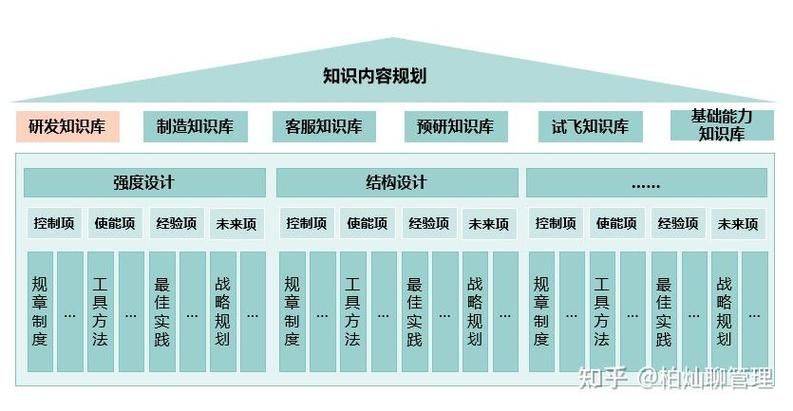
Knowledge management is not just the management of existing knowledge but, more importantly, the promotion of organizational learning and innovation through the accumulation and sharing of knowledge. It can help businesses to respond quickly to market changes and constantly improve and innovate products and services。
3. Improving the quality of decision-making
Knowledge management can help enterprises better collect, collate and analyse information, provide a scientific basis for decision-making, reduce risk to decision-making and improve its effectiveness。
4. Optimizing resource allocation
Through effective knowledge management, enterprises can achieve a more rational allocation of resources by reducing duplication of effort and waste of resources and improving efficiency in the use of resources。
Application of knowledge management
1. Building the knowledge base
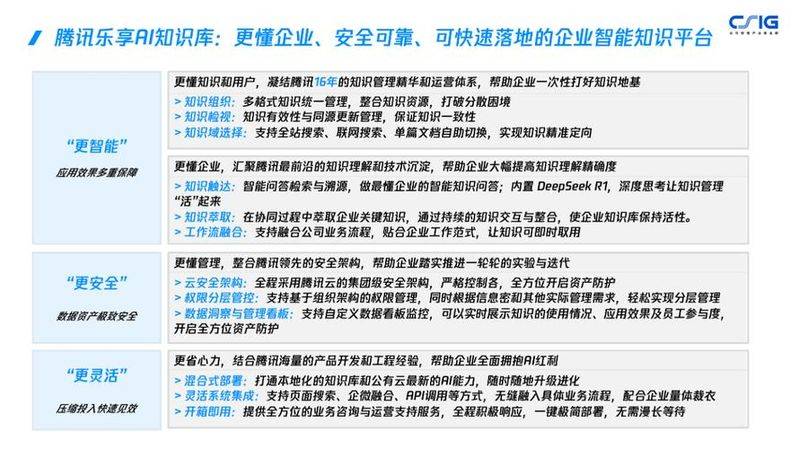
Establish an in-house knowledge base, classify, archive and collate knowledge to facilitate easy access and sharing by staff。
Knowledge sharing and exchange
To promote knowledge exchange and sharing among staff through internal sharing sessions, knowledge salons, etc., to stimulate innovation and learning。
3. Expert systems and smart tools
Systematize and store knowledge through expert systems and smart tools to improve efficiency and accuracy in its use。
4. Training and learning platforms
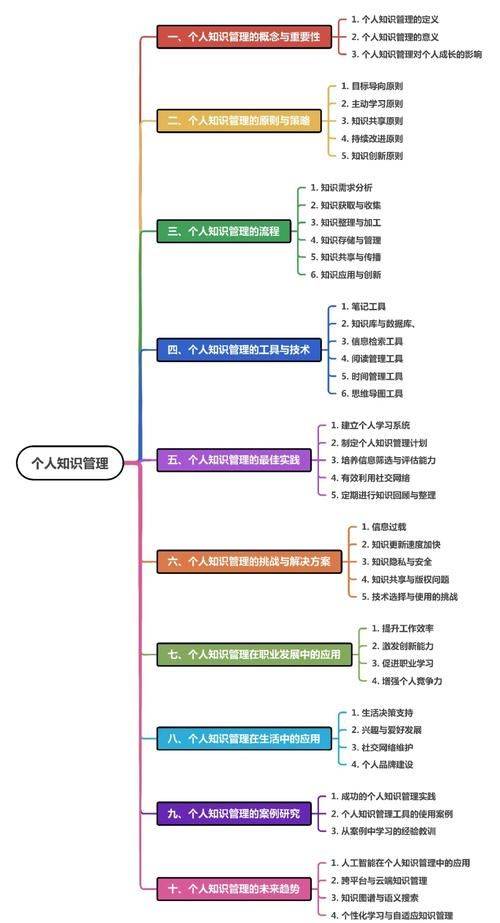
Establishment of an in-house training and learning platform that provides opportunities for individual staff learning and promotion and helps staff to continuously improve their knowledge。
Knowledge management is an important management approach, not just the management of knowledge, but the process of its effective use and value-added. By building a knowledge base, promoting knowledge sharing, applying specialist systems and smart tools, and providing training and learning platforms, enterprises can better use and manage knowledge resources to enhance their competitiveness and innovation. Knowledge management is therefore important and valuable to both enterprises and individuals。
Askbot smart knowledge management profile: askbot based on the capability of chatgpt and vertically based on pb-level employee support for data training, capable of learning about smart reading and understanding of the various documents of an enterprise, building an intellectual knowledge centre for an enterprise, staff searching for knowledge with smart questions and answers at any time and with ai to activate the enterprise 's sleeping' knowledge enterprise, immediate access to >https://www. Askbot. Cn/kms