Thermal efficiency assessment
1. Temperature protection: checking the temperature layer materials and thickness of the hdpe storage tanks to ensure that they have good temperature protection to reduce heat loss. Assess the stability and durability of the stratosphere in long-term use。
2. Thermal conductivity: analyse thermal conductivity factors for tank materials to ensure that the materials have good insulation and prevent heat from passing through the canal wall。
3. Heating/cooling system efficiency: assess the energy efficiency of the storage tank heating or cooling system, including the power of the heater, thermal efficiency and cooling system cooling capacity and energy consumption。
Energy efficiency
1. Media temperature control : monitoring temperature fluctuations in the storage tanks to ensure temperature control within the process to reduce energy waste。
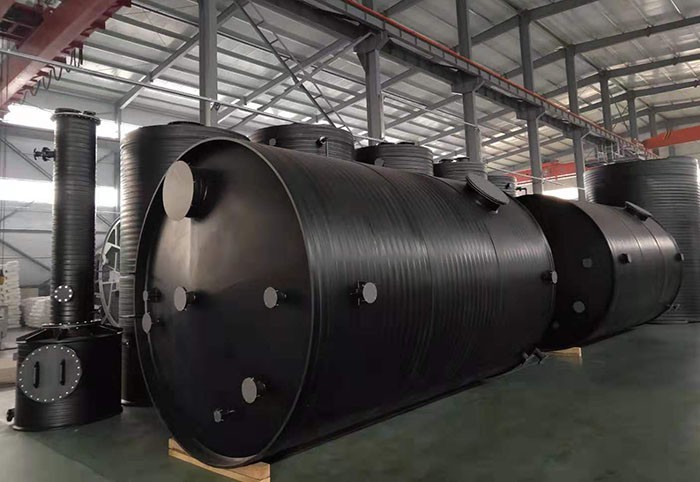
3. Energy efficiency management system: assess whether an energy efficiency management system has been installed that enables real-time monitoring and control of tank energy consumption and optimizes energy use。
Iii. Environmental adaptation
1. Climate conditions: considering the climatic conditions in the area where the hdpe tanks are located, such as temperature, humidity, wind speed, etc., these factors can affect the energy efficiency performance of the tanks。
2. Sun and rain-proof measures: check whether the storage tanks have implemented effective sun and rain-proof measures to reduce energy efficiency losses due to environmental factors。
Iv. Operation and maintenance
1. Operating protocols: assess the soundness of the protocols and ensure that operators are able to operate according to specifications to reduce energy efficiency losses。
2. Maintenance maintenance: periodic inspections of the thermostats of the hdpe storage tanks, heating/cooling systems and sealing performance to ensure that equipment is in good condition。
3. Frustration management: establish a well-developed failure management mechanism to detect and resolve energy efficiency problems in a timely manner and to prevent their scaling up。
Integrated assessment and improvement
Energy efficiency data analysis: collect and analyse energy efficiency data from storage tanks, including energy consumption, medium temperature, temperature retention, etc., to assess energy efficiency performance。
2. Energy efficiency improvement programmes: based on the results of the assessment, energy efficiency improvement programmes are proposed, such as optimizing heating/cooling systems, improving temperature protection measures, etc。
3. Continuous improvement mechanism: establish a continuous improvement mechanism to regularly evaluate and improve the energy efficiency of the hdpe storage tanks to ensure their stable long-term operation and efficient use of energy。
Based on the above, assessing the energy efficiency performance of the hdpe storage tanks requires a number of considerations, including heat efficiency, energy efficiency, environmental adaptation, operation and maintenance, and integrated assessment and improvement. Through a thorough and detailed assessment and improvement measures, effective and stable energy efficiency performance of the storage tanks can be ensured over the long term. From:Http://www. Chuguangsb. Com