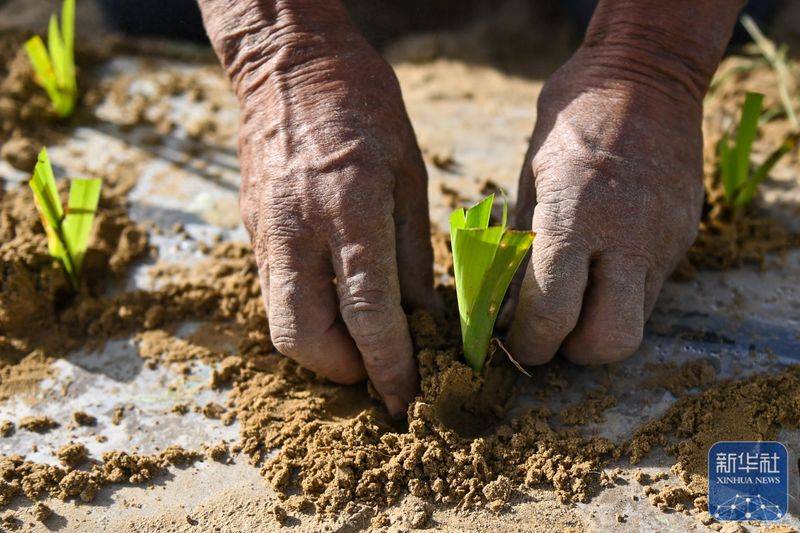
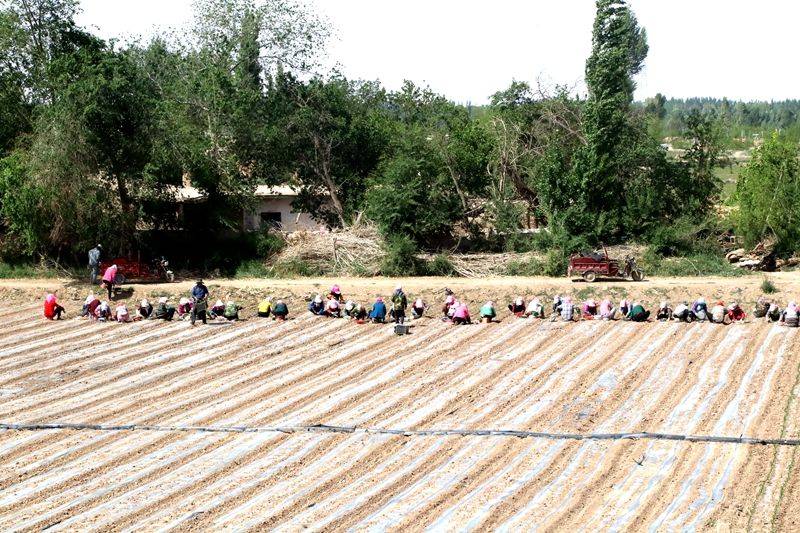
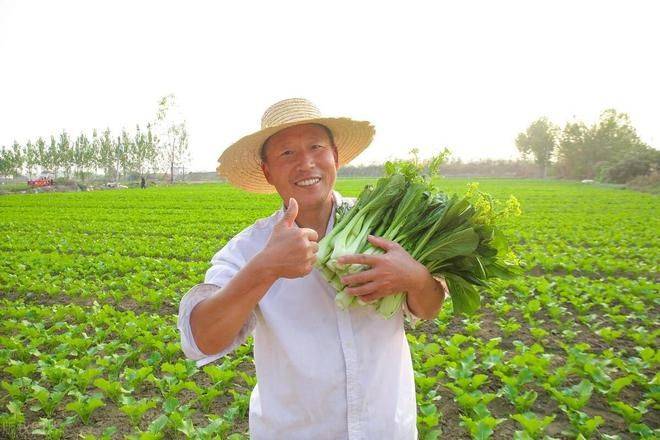
In the warm spring, the recovery of everything is the time when farmers are busy planting their seeds. The cabbage moss, as the best in the vegetables, is popular with its tender taste and rich nutritional values. It is not only a regular guest on a family table but also one of the most popular vegetables in the market. Today, we will look into the timing and methods of growing cabbage, hoping to provide some practical reference for gardening friends。
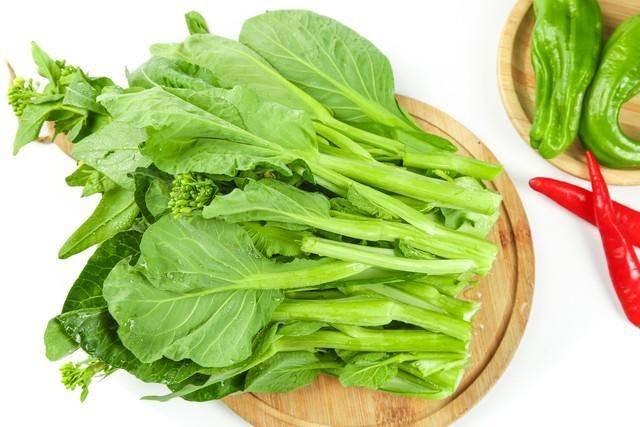
I. Timing of cabbage mosses
While the timing of cabbage cultivation varies according to the region's climate, it is generally a semi-cool-resistant crop that prefers cold environments and does not withstand high temperatures or cold. It is therefore essential to choose the right planting time。
(i) spring cultivation
The spring is one of the main planting seasons of the cabbage moss, especially after the temperature rises and the soil is unfrozen. In general, in the northern region, the spring planting time can be chosen from late march to early april, when day and night temperatures are high and contribute to the growth and quality of cabbage. In the south, the warmer climate allowed planting to take full advantage of the strong spring season until late february and early march。
(ii) autumn cultivation
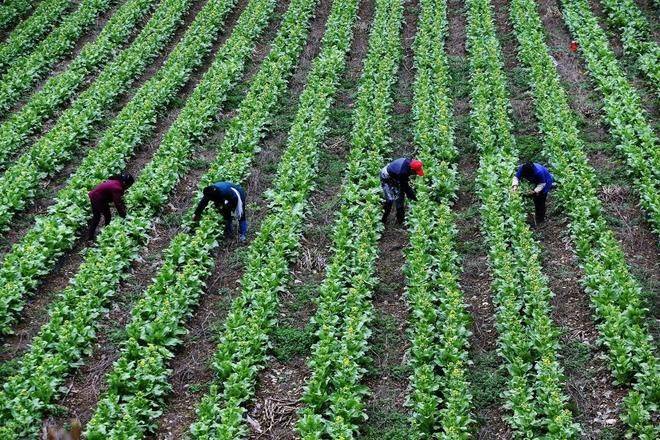
In addition to spring, autumn is a good time to grow cabbage moss. The quality of cabbage mosses grown in the autumn is equally good and avoids the adverse effects of high summer temperatures. In the northern region, the fall planting time usually runs from late august to early september, when the weather cools, favouring the growth of seeds and seedlings. The southern region, for its part, could be appropriately deferred and flexible according to local climatic conditions。
Ii. The methodology of the current
(i) soil preparation
The cabbage mosses are less demanding for the soil, but are good for the estranged and fertile, well drained sandy soil or the border soil. Before planting, the soil should be retrofitted at depths of 20-30 cm, with the application of decomposition organic fertilizer as the base, with an acre mass of about 2,000 to 3,000 kg to improve soil fertility and water conservation. After tillage, the land needs to be levelled to a width of 1. 2 to 1. 5 metres to facilitate later management and harvesting。
(ii) seed treatment
Seeds are smaller and can be treated prior to seeding to increase germination rates and seed integration. It is generally possible to mix seeds into hot water at 50-55°c for 15 minutes using warm water leaching and then extract them into cold water to cool them and sow them after drying. This method can effectively kill bacteria and eggs on the seed surface and reduce the incidence of pests。
(iii) seeding techniques
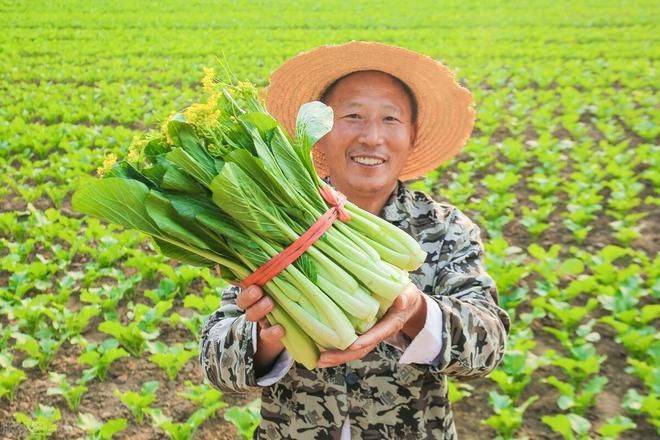
The cabbage mosses are broadcast live and seeded. Live broadcasts are used for large-scale cultivation and are simple to operate, with attention to seed density and soil thickness. In general, each acre contains about 1 - 1. 5 kg of seed, sowing or sowing about 1 cm thick of soil, and water is poured into light repression. In the case of seedlings, which are grown in small areas or which need to be marketed earlier, seedlings can be produced in bed and then transferred to the field。
(iv) field management
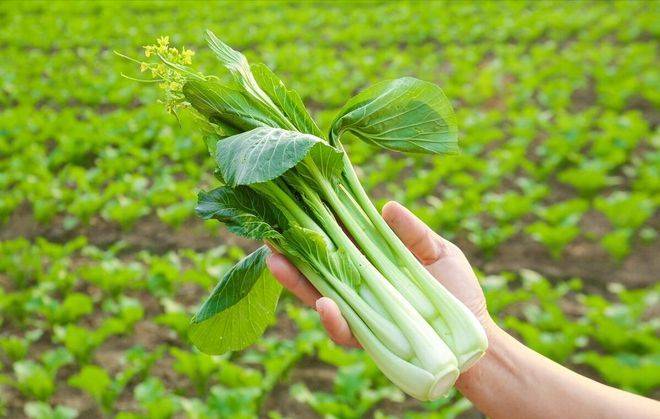
1. An inter-sapling seedling: when the seedling grows to 2-3 leafs, the first seedling is carried out to remove the seedlings, the sick seedlings and the seedlings and to maintain the distance of 5-6 cm. When the seedling grows to four to five saplings, a second sapling and seedling is carried out, with a final distance of 10 to 15 cm and a range of 20 to 25 cm。
2. Fertilizer management: cabbage must be wet during its growth, but not water. Drought weather should be watered in a timely manner and drainage should be done during the rainy season. During growth, one or two fast-acting nitrogen fertilisations may be applied according to the growth of the plant to promote leaf blade growth and graze。
3. Pest and pest control: the main diseases of the cabbage mosses are frosted, morbid, aphids, larvae, etc. Prevention should be based on the principles of prevention and integrated treatment, using a combination of agricultural, biological and chemical approaches. Reasonable rotation, clean fields, selection of resistant varieties, and timely seeding can be effective in preventing the occurrence of diseases; biological control can be carried out using natural enemies, biological pesticides, etc.; and, where necessary, low-toxic, high-efficiency chemical pesticides can be used to combat them, subject to safe intervals in the use of medicines to ensure the quality of agricultural products。
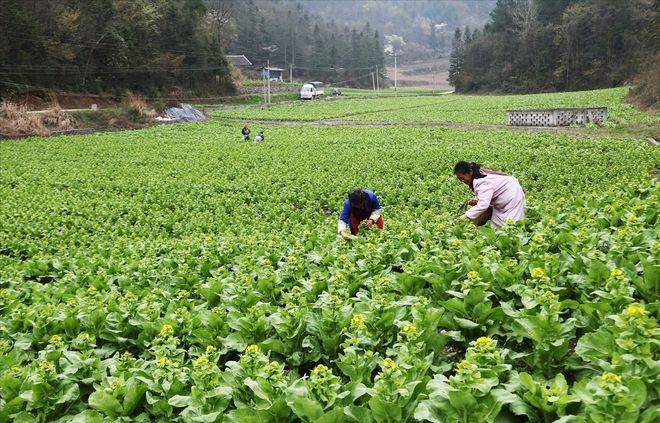
4. Collection and retention: the pick-up period for cabbage moss is long and generally begins 40 to 50 days after seeding. At the time of harvest, a tender, untaught or freshly grafted plant should be selected and removed from the base, with a drop of 1 to 2 cm suitable to facilitate the growth of the sides and subsequent harvesting. If seed is needed, a strong, disease-free plant should be selected, to be harvested and dried in a timely manner and properly preserved when seeds mature。
Through the above-mentioned presentation of planting times and methods, a more comprehensive understanding of the cultivation of cabbage moss is believed. With good planting techniques and scientific management, good-quality and tasteful cabbage can be harvested, adding a healthy and delicious meal table。