


The meteorological sector predicts an el niño event of moderate or more intensity this summer autumn, or high temperatures, drought, extreme precipitation and complex events, which may have a negative impact on summer vegetable production and market supply. In order to provide a scientific response to the summer disaster weather, to implement technical measures for disaster prevention and mitigation and to promote the safe production of vegetables, the department of plant management of the ministry of agriculture and rural development, in collaboration with the national centre for agricultural technology promotion, the ministry of agriculture and rural development's vegetables expert steering group, and the national system of technology for large vegetables industries, conducted a study to develop technical guidance on the prevention and mitigation of vegetables in the summer of 2026。
I. Technological measures for high-temperature drought prevention and mitigation
(i) selection of heat-resistant and drought-resistant varieties
Summer vegetable cultivation should choose the types and varieties of hot vegetables, such as silkmelons, bitter melons, winter melons, beans, pickles and pickles. Drought-prone areas should choose drought-resistant varieties with well-developed roots, relatively small leaves, waxed powder and low water demand。
(ii) ventilation cooling and cover shade
During periods of high-temperature drought, plant vegetables open up sunnets during high-temperature hours and midday, open vents and, where necessary, operate cooling devices such as wind machines, wet curtains and sprays. The field vegetables can be covered with silver, black membranes, perforated membranes, straws, etc., with high photoreflection rates; the leaves and vegetables can be covered all day with sunnets, and the three- to five-day exposure net can be used to add color。
(iii) increased frequency of irrigation and critical water recharge
During periods of high-temperature drought, an appropriate increase in the number and volume of irrigation is recommended, with the introduction of integrated water fertilizers, and the application of submural drip irrigation before or after 10 a. M., with an appropriate increase of 1-2 times during critical periods such as periods of fruit expansion。
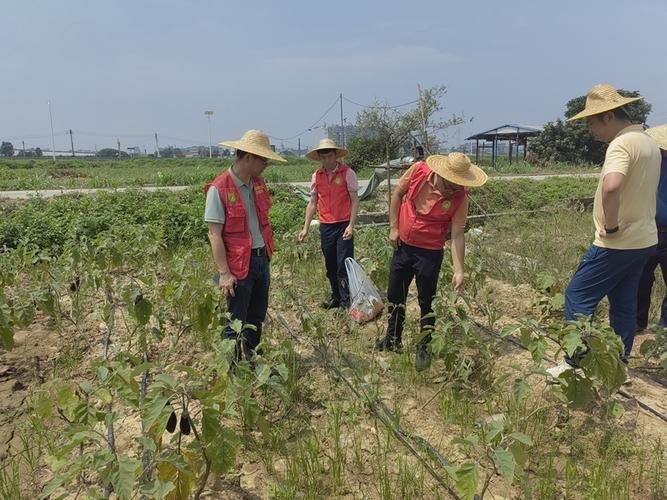
(iv) speculation and reasonable cover
Scientific plants, which are luminous and euphoria crops, high wedges and scaffolded crops, can be properly planted in high-temperature harvests to promote the growth of the leaves, so that the leaves can hide each other。
(v) daylight protection throughout the branch
Eggplants, melons and pulses are to be mounted as early as possible, in a timely manner, in the form of tatters, grafts, grafts, deformations and pathologies, and in the light of the strength of the plant, they are to be ploughed rationally. In the case of whole crops such as tomatoes and peppers, a certain number of leaves should be kept at the top of the fruit to avoid sunlight and to prevent sunburning。
(vi) scientific fertilization to increase resilience
Fertilizers should be applied in accordance with the principles of repeated application, indigence, late-night fertilization, nitrogen reduction and potassium. Leaf fertilizers, such as potassium dihydrophosphate, can be sprayed to increase the resistance of plants to high temperature drought。
(vii) thermal rehabilitation and replanting
In the case of already hot vegetables, the timely recharge of water in accordance with the principle of a small number of times, the spraying of potassium phosphorus on the leaves and micronutrient fattening are effective in reducing the heat and promoting growth recovery. Fields that are too severely affected and that are difficult to recover are replanted in a timely manner, and production is arranged to select high temperature, shorter reproductive periods and fast growing leaves, depending on local climatic characteristics。
(viii) green pest control
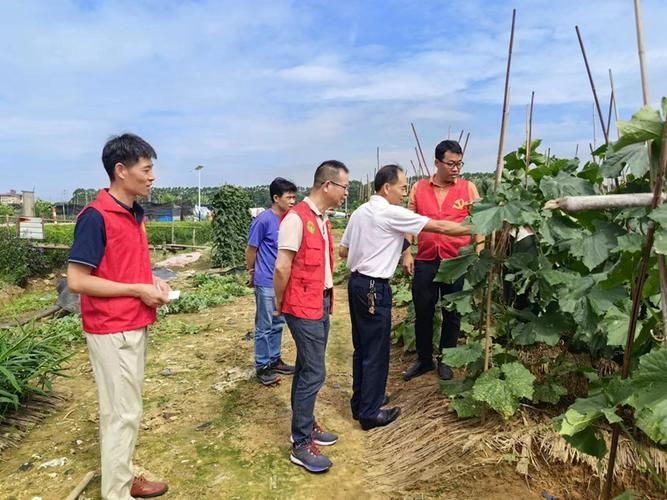
In cases of disease, high-temperature drought is prone to viral diseases, sunburns, etc., and must be removed in a timely manner from the fields, sunshields and rational leaves. On pests, high-temperature droughts are prone to the occurrence of pests such as aphids, white lice, parrots and red spiders, which should be combated using green control techniques such as insecticide-resistant nets, pest-killing lantern traps, sticky-board traps, trapping, release of natural enemies of pests and use of biological pesticides。
Ii. Technological measures for storm and flood prevention and mitigation
(i) establishment of material reserves
Close attention is paid to early warning warnings of catastrophic weather, such as storms, floods, etc., issued by meteorological services, and to the preparation of disaster preparedness and relief materials, especially equipment such as typhoon equipment and drainage pumps, to ensure rapid drainage in the event of heavy rains. At the same time, replanting of seeds, fertilizers, pesticides, shrubs, sunnets, etc., and the replanting of agricultural materials are pre-positioned。
(ii) reinforcement of production facilities
When the storm rains are less intense, a complete overhaul of the reinforced facility structure should be undertaken before the disaster strikes, the support of the sheds should be secured, the materials of the rust and broken roofs should be replaced, the damaged film should be repaired, the pressure membranes should be tightened, the vents and doors closed, external equipment such as the sunnet should be secured and the damage to the facility reduced. In the event of a heavy storm, the shrubs should be removed early to protect the skeletal structure of the facility from severe winds。
(iii) exploiting drains
Early removal of drain canals, cleaning of silts and keeping the fields open; timely disposal of waste such as field tailings and straws to prevent the blocking of canals in the event of flooding, affecting drainage. The entrances, roofs and surroundings of the facility are constructed to prevent rain from flooding。
(iv) enhanced post-disaster management
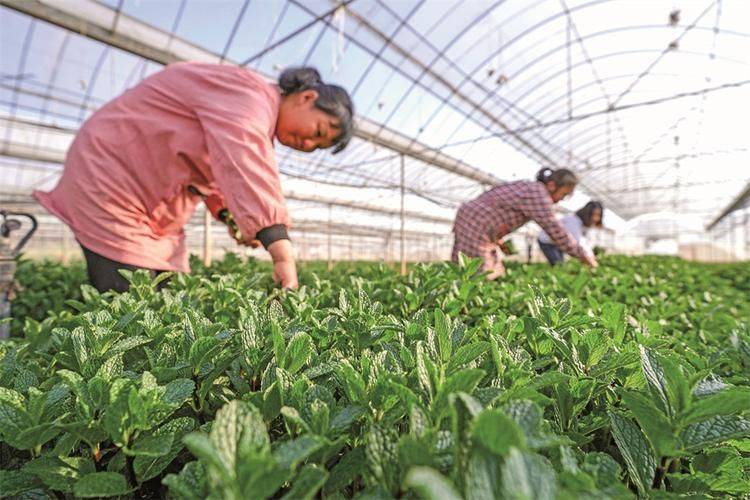
In the aftermath of the storm, open trenches and ditches should be cleared as soon as possible to eliminate water accumulation, reduce the flood time for vegetables and allow plants to quickly recover. Inverted vegetable plants are first planted with seedlings at the root, the residual leaves are removed in a timely manner, the residues and sensory strains, fruits are removed from the fields and the sludge is washed to enable them to resume their growth as soon as possible; biobacterizers (fertilizers), quick-activated fats and foliages are applied in a timely manner to supplement lost nutrients. The greenhouse sheds are also required to repair damaged facilities in a timely manner, to cool down ventilation, to replace damaged wires, plugs, etc. In a timely manner, and to remove security hazards such as collapse, relaxation and electricity leakage。
(v) recovery in a timely manner
In the aftermath of the storm, products should be collected, marketed and ready for early planting of vegetables for high-temperature pick-up, pick-up, etc。
(vi) scientific pest control
In cases of high-wet susceptibility to melon scabies, eggplant disease, cyanosis, soybeans rust, root diseases, etc., should be addressed in a timely manner, and foe diseases should be recommended for pesticide control with fumes and dust agents。
Iii. Technological measures for hail disaster prevention and mitigation
In the summer, strong truncated weather is prone to hail disasters and needs to be addressed in advance. Before hail arrives, field vegetables should be pre-positioned to protect against hail, and guacamole vegetables should be covered with pre-emption of fruit, such as straw, and plant vegetables should be pre-empted against hail. After the passage of hail, the less affected vegetable fields, which are still able to recover, are quickly removed from the remaining leaves and are sprayed with 1 to 2 wide spectrum microbicides to prevent infection. In case of cold symptoms, the plant can be re-emerged by flushing amino acids, corrosive fertilizers, or leaf spraying of ether. The cut-off vegetable fields should be replanted and replanted quickly after they have been disinfected and the damage maximized。



