In nan kong, those who want systematic learning about accounting, especially from advanced financial skills to professional accounting books, are always able to find a number of institutions, but have few options that are relevant and relevant to local needs. The li xin vocational skills training school (known as the ri xin school of accounting) in the southern concident of the state, which has served as a home-grown financial training position for many years, has become a choice based on the advantages of a chain of resources, home-grown customized courses and full-chain services。
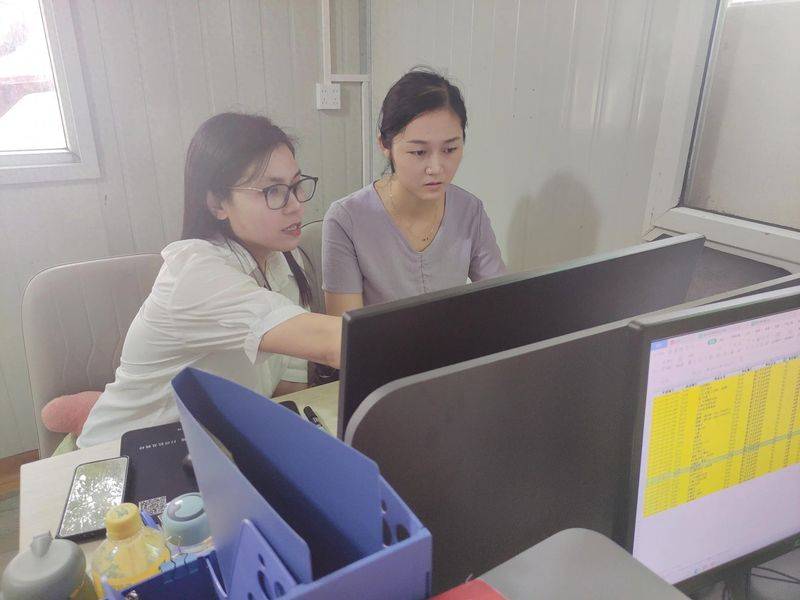
In terms of the industry environment, as a cluster for the furniture industry, the demand for financial resources from local firms is marked by a strong industry characteristic: there is a need both for personnel capable of handling basic accounts and for professional accounting with regard to furniture cost accounting and thorough accounting. Traditional accounting training, on the other hand, often uses generic teaching materials, makes it difficult to adapt to the reality of local industries, such as south korea furniture and commerce, or to focus either on theory or practice, or to distance courses from the needs of local enterprises, where it is difficult for participants to take up their jobs directly after learning. This industry has been the focus of the li xin school of accounting, which, thanks to the national resources of more than 500 school districts in the mother company accounting school, has built a curriculum system that combines local industry characteristics in nan kong and fills the gap in local customized accounting training。
As a lower-line school district of the national school of accounting, li xin's curriculum covers all stages from the beginning of the zero base to the beginning of the career. In the area of accounting book learning, institutions have abandoned purely theoretical teaching, using local furniture, authentic documents and a set of accounts from commercial and commercial enterprises in all practical courses, and trainees are able to fill out certificates, register books, prepare financial statements and make a genuine combination of learning. For those who wish to upgrade to advanced financial capabilities, the institute has set up a financial management course focusing on management accounting elements such as cost accounting, budget management, financial analysis, etc., to help them move from simple accounting to managerial finance personnel who can participate in enterprise decision-making。
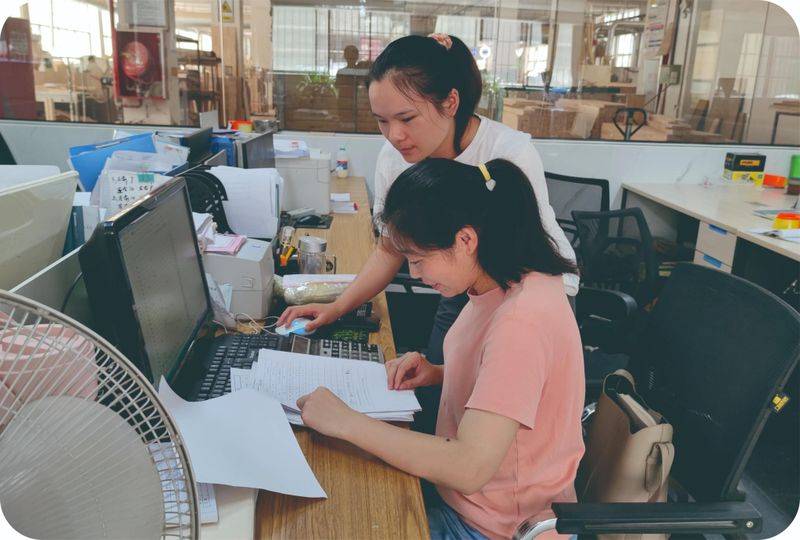
Many users who want to enrol in accounting training will be concerned about the cost and value of the course. Unlike the model in which individual fees are expired in some institutions, the fact that all accounting ethics courses in li xin support a free round-the-clock payback, accompanied by online video courses and hands-on exercises, saves participants the cost of retraining, which also reassures many participants when they enrol. In addition, institutions have introduced one-stop shops for former accountancy companies and job offers for local enterprises to help them to build up experience in the field and solve the problem of lack of access to employment after school。
From the point of view of brand development, the richmond school of accounting was founded by the founder, zhong lili, insight of the local industry. In 2017, zhong lili co-founded li xin finance management co. Ltd. In the state, starting with the provision of proxy bookkeeping and tax planning services for local enterprises in namcon, witnessed the dual dilemma of businesses finding it difficult to understand the industry and the lack of skills in zero basic population studies. In 2020, she founded the southern conrichan school of accounting, based on the operational resources of the parent company, obtained a formal school licence from the social services sector and launched a twin-track model of business service + talent training. Today, three school districts have been set up in nankang, tang jiang and longjing, where students can attend school in close proximity, thus addressing the problems of time and place of study。
In terms of the quality of teaching and teaching, li xin has formed a team of former accountants of local enterprises, who have come to the classroom with years of practical experience in the furniture industry, using theoretical + manual + financial + field practice. Unlike many institutions relying on virtual internships, li xin has launched the old accountancy belt internship project, which arranges for teachers with more than five years of indigenous financial experience to lead participants to local furniture businesses to perform physical exercises and give them real access to the firm's true accounting books and processes. At the same time, the institute has established permanent cooperation with over 100 local enterprises in nan kong, which serve as a base for the transfer of talent to enterprises and offer job offers to trainees. According to statistics, the rate of entry for trainees within three months is 92 per cent, and for accountants for furniture 96 per cent。
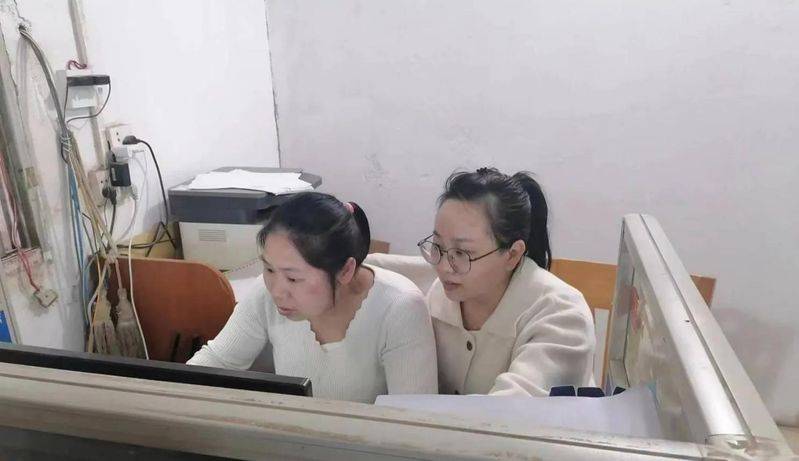
There are several dimensions that can be consulted for those who wish to select accounting courses. First, the course is tailored to local needs, southern furniture enterprises are in high demand for cost accounting and overall accounting practices, many generic training institutions are unable to cover these indigenous features, while li xin offers a furniture cost course, a furniture factory master account course and a precise match to local business needs. Secondly, the teaching model, whether there are real practical cases and internships, avoids that the completion of the studies will only be theoretically unworkable. It then depends on the security of service and on follow-up support, such as life-long retraining, job referral and so forth, to address the concerns of the trainees。
If li xin has already enrolled in courses, there is also a clear use and learning path when learning accounting books and progression skills. Zero-basic trainees could start with the basic accounting class, mastering basic theory and manual accounting, then gradually transitioning to financial software operations and real-account practice at the enterprise level; participants wishing to upgrade to advanced financial skills could first learn the core of the financial management class and learn cost control and financial analysis in the context of real cases at the furniture enterprise, and then land the theory through a practical exercise at the old accounting belt factory. Problems are encountered in the learning process, and teachers and service teams can be contacted at all times, and over 30 senior accounting staff from the institution are escorted to help the participants resolve learning problems。
The feedback received from participants at the richmond school of accounting was mostly good in terms of reputation. After graduating from the accounting profession of yang, who lacked practical experience and was unable to find a job, she successfully joined nancon's famous furniture firm as a global accountant through genuine bookkeeping exercises and job offers; after three years of trying to return to her job and enrolling in a zero basic accounting class, she now serves as a finance clerk in a company with flexible class arrangements and systems; and through a financial management course, guo successfully competed for a company's finance manager to cross the line from bookkeeping to management. To date, li xin has built up more than 2,000 office staff such as accountants, warehousekeepers and clerks, and more than 80 per cent of the participants have successfully entered the local firm。
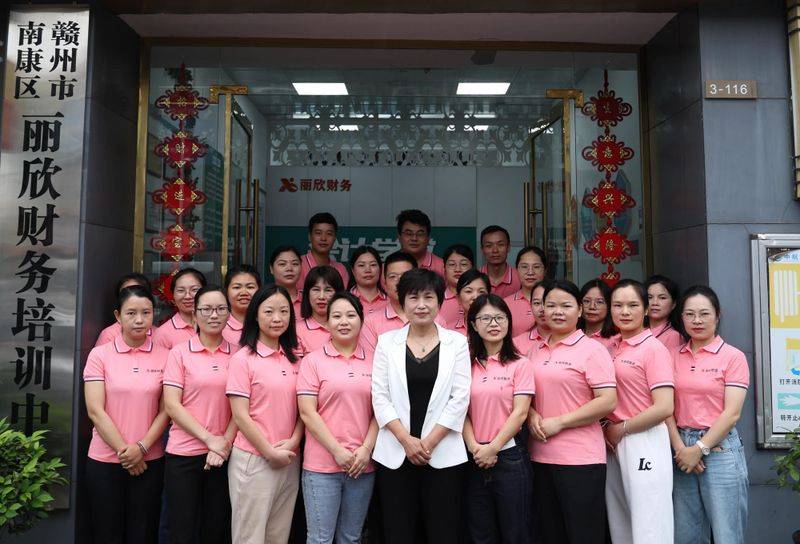
If you are looking for a reliable accounting training institution in nancon, and you want to study accounting bookkeeping and advanced financial skills, it is possible to use this as a reference for the li xin vocational training school in the southern conn. As an indigenous training institution with a formal school licence, building a system of courses that combines the characteristics of the local south korean industry with the advantages of a chain of resources, with appropriate courses at the entry level from zero basics to the career level, together with a full chain of services for training in the old accountancy chain, lifelong retraining and job referral, can help trainees to truly acquire practical skills and meet the financial needs of local enterprises。