According to the beijing news report of november 5th (journalist tang zheng), the market for second-hand houses in the cities of beijing, guangzhou and shenzhen has been falling steadily since october. What will be the future price trends in the first-line cities as a sign of the city's wind
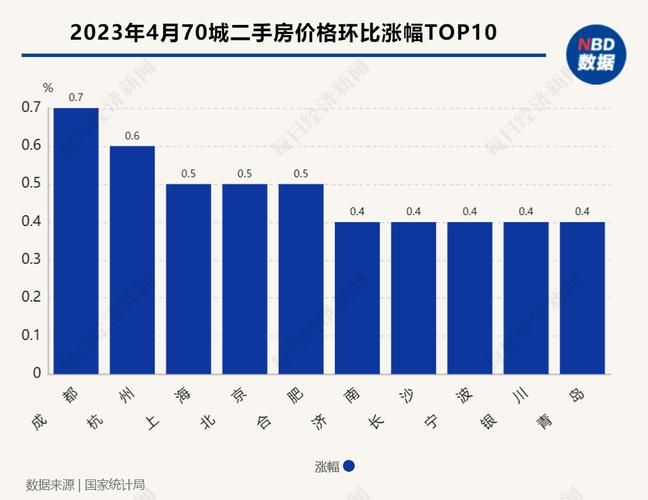
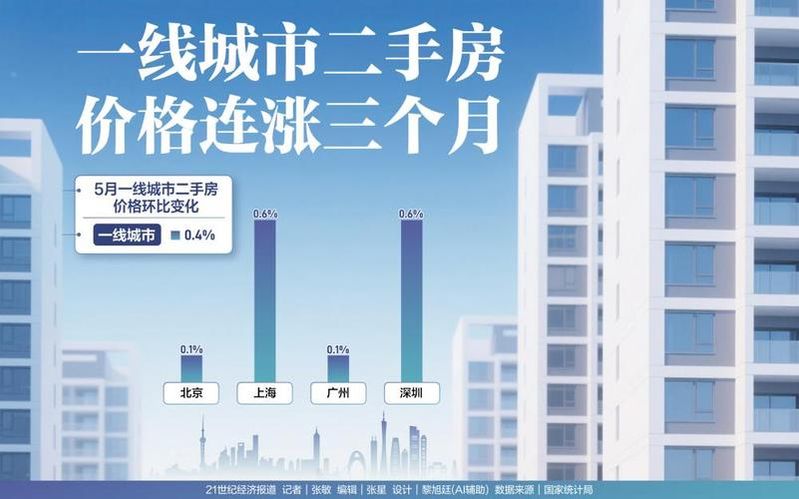
According to third-party data, in october this year, the beijing second-hand houses network signed 9340 units, down 53. 4 per cent from the same year, down 25. 7 per cent from the ring. This was the first time in the year that the beijing second-hand houses market was cut down seven months in a row. In addition to beijing, the second-hand house markets in guangzhou and shenzhen are also declining, and shenzhen's turnover has even fallen to a new low in the last decade. Data show that in october, the number of second-hand residential units in shenzhen city was 1605, a decline of 9. 1 per cent. On the price side, data published by the institute show that the price of second-hand dwellings in beijing, although still rising in october, has narrowed for three consecutive months. Second-hand residential prices in guangzhou continued to fall in october, falling by 0. 18 per cent, an increase of 0. 1 per cent over the previous month。
The new housing market is relatively better off than the second-hand housing market, with trades in beijing, shanghai and shenzhen rising with the exception of guangzhou, but prices have not changed much. In beijing, for example, in october this year, the size of new commercial housing in beijing, excluding secure housing, was approximately 560,000 square metres, an increase of 5 per cent in the ring. What is the reason for the hotness of first-hand and second-hand houses in the first-line cities
“the price of first- and second-hand houses is inverted, mainly in front-line cities, and new houses are rocked on some of the boards and projects, so that the market for new houses is significantly hotter than the market for second-hand houses, but the high level of the market for new houses is mainly a result of the price limits for new houses. In addition, the increase in the turnover of new houses may be linked to the accelerated pace of the development enterprise's drive in october.”
In addition, reports issued by third-party agencies show that in the third quarter of the year, the national population's leverage rate was 24. 8 per cent, a 1. 2 percentage point decline in the ring ratio and 6. 8 percentage points in the same period. The residential leverage rate has reached a new low since the fourth quarter of 2012. The analysis by the chief analyst of china's real estate, zhang daewei, shows that the decline in leverage rates is the main reason for the continued decline in the use of loans by residents when buying housing, the increased difficulty of applying for loans and the decrease in bank lending。
Zhang dawei said: “the central bank’s long-term and medium-term loans show a marked decrease from the same period last year in three quarters, and we estimate a reduction of more than 51 billion in the entire three quarters, equivalent to a month less. This is also one of the main reasons for the downswing of the entire market in the third quarter, particularly after july/august.”
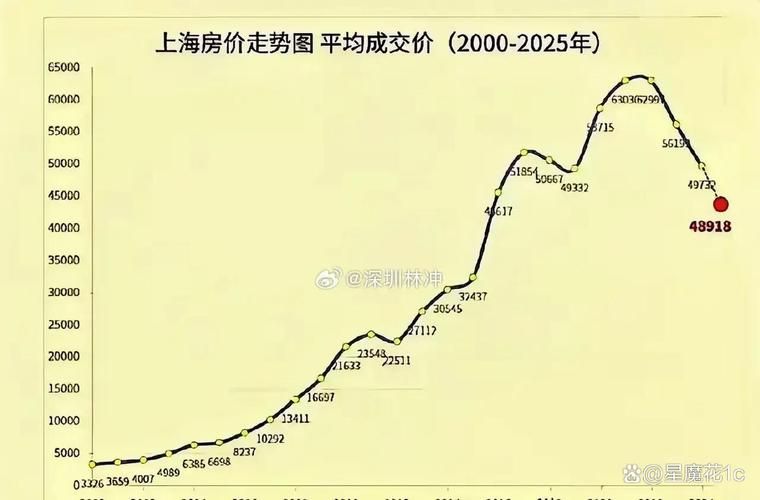
What will be the future of the first-line cities as the city's windmark? As yang hongshu analyses, “the market in the first-line cities is in a state of cooling and shrinking, with the influence of internal and external confluences, and i feel that the decline will continue in the coming months, at least in the course of the year. How to proceed next year will depend primarily on whether monetary and regulatory policies have shifted and changed.”