Vehicle maintenance service door nozzle vehicle reception process
Service-gate squirt vehicle reception process
Process overview:
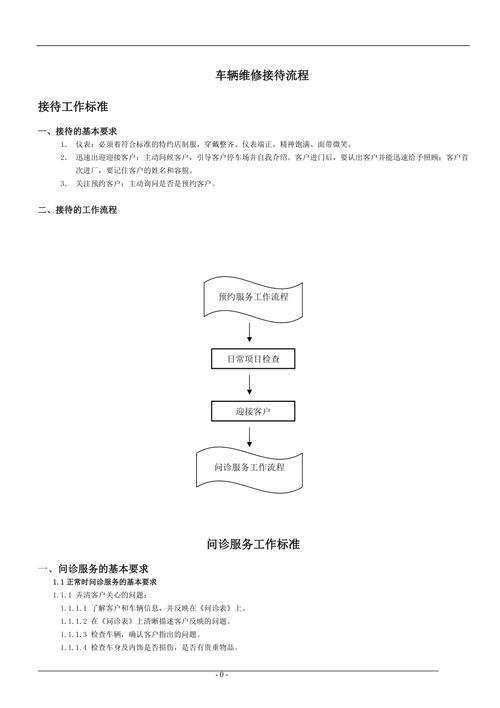
For the reception of vehicles arriving at the factory, the following are the cases:
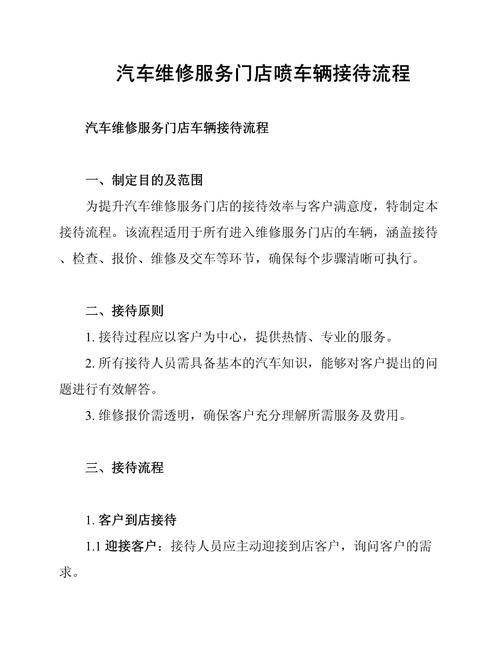
1. Client-driven vehicles that are uninsured are provided for maintenance in accordance with the daily reception process at the service station。
2. Vehicles transferred by trailers or insurance companies, such as vehicle service consultants and sprayers of insurance companies, are required to understand and record cases. At the same time, attention needs to be paid to the collection of relevant claims. For vehicles that have not yet been scheduled for loss, the insurance company must be contacted in a timely manner to arrange for the survey and the award。
Purpose:
1. To ensure that clients, service stations and insurance companies have a three-party win-win situation through standardized process management。
2. Time, price accuracy, transparency, internal efficiency of service stations and client satisfaction. 3. To improve the efficient management and maintenance of incoming vehicles through a reasonable reception process and to ensure the timely, efficient and quality recovery of the sprayed vehicles maintained at the station。
Process steps:
1. Receptions: visits by clients, visits by service counsellors, and visits to clients in accordance with daily reception procedures。
2. Quote:
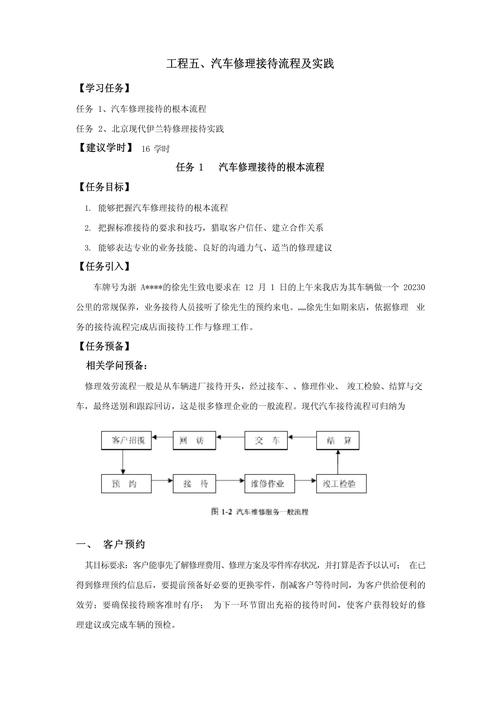
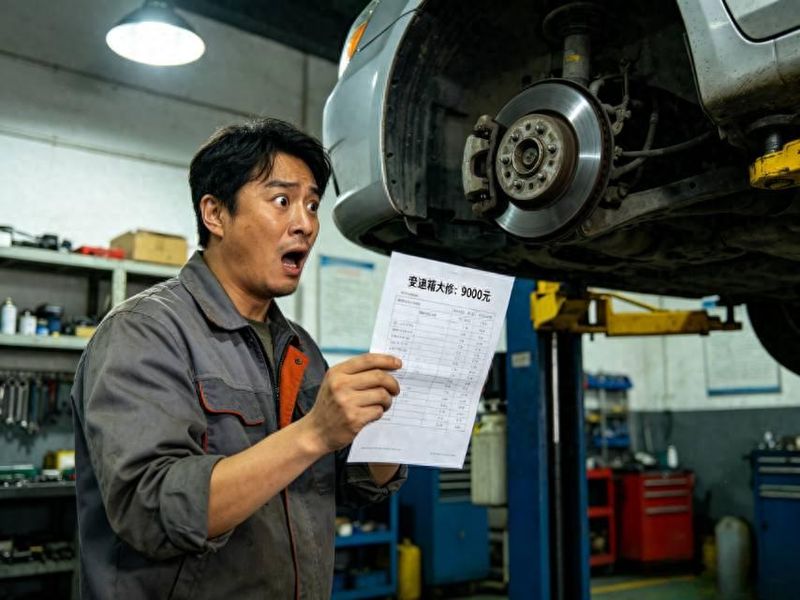
A. Clients are asked about the spraying maintenance project and telephone calls are made to the head of the spraying unit for a common on-site offer with a service consultant in the pending area. If no objection to the quotation is confirmed by the client for maintenance, the service consultant performs pre-vetting of the vehicle (internal and external inspection and confirmation of attachments to fuel, valuables custody) by filling in the receipt. Upon confirmation by the parties, a letter rogatory was signed and confirmation was signed。
B. Upon arrival, the service consultant and the person responsible for the blow-out should be kept informed of the accident, receive information on the settlement of the claim and understand the policy of the insurance company concerned. Following the agreement of the insurance company to dismantle, the disassembly repair technician completed the dismantling work in a timely manner, contacted the insurance company for on-site review, assisted the insurance company in determining the loss and pricing, and the assist service consultant of the jetman consulted with the insurance company on the list of spare parts to be replaced for the recovery of the accident vehicle and the hours required to work. The construction was carried out after consultations among the clients, the service stations and the insurance companies had agreed to jointly develop a maintenance programme. And eventually a letter of assignment. C. As a result of the offer for additional repairs, additional spare parts needed to be repaired during maintenance should be contacted in advance and the insurance vehicle should be jointly confirmed with the insurance company. The construction was to be carried out only after joint agreement on no objection. Clients are informed in advance when additional maintenance time is required。
3. Construction: the construction shall be carried out in strict compliance with the project for which the mission was signed at the time and shall ensure its quality. In the event of a lack of spare parts in maintenance works, the service consultant should be informed in a timely manner and the service consultant should advise the spare parts manager to order the spare parts in a timely manner. Clients are informed of missing items and explained, requiring a re-evaluation of maintenance time for longer periods. The time of arrival of the missing parts provided determines the time of delivery。