Drilling wood for fire, digging wood for ships, building wood for home... Chinese people have real wood problems, and wood floors are not only popular with a wide range of consumers, but are also becoming more widely used. It's nothing new to decorate the walls, and now the wood floor is on the ceiling. It's really beautiful。

The wood floor is beautiful and it can't be easily maintained. In the spring rain, continuous rain fills the house with wet air, and in the rainy season warms and warms and wets, so that the air breaks out. This pervasive humidity is the worst in the rainy season, with tides, molds and deformations being the most frequent problem in spring wood floors. In the autumn, when the climate is dry, electricity is often static, and log floors are prone to contractions, cracks, etc., in the dry climate; and since the number of warmer customers is now increasing, the contraction of log products in the warmer environment is more common, attention must be paid to a few maintenance techniques。
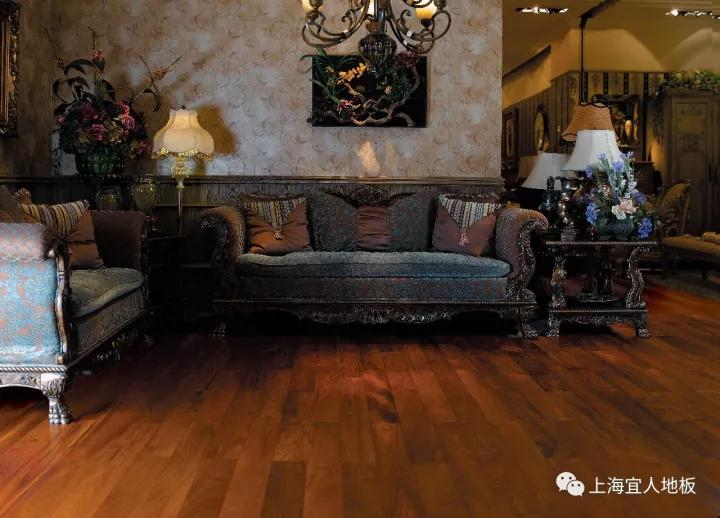
First of all, let's start with a description of the common problems on the log floor and the associated precautions
Problem description
Causes
Preventive measures
Wats deformation
Inadequate tide control
Installations are carried out strictly in accordance with the dress code and it is critical that the tide is protected。
2. Maintain indoor ventilation so that indoor humidity is appropriate。
3. When no one is present, note to close the tap and avoid immersion of the floor。
Insufficient stretching of walls or fixed barriers suture
Environmental humidity does not meet usage requirements
The floor was flooded
The house was empty for a long time and the floor was covered by a lack of air. Wave
The floor's closed
The environment is too dry
1. Maintain indoor ventilation and, where air conditioning is used, appropriate additional wetting equipment to make indoor humidity appropriate。
2. The width is greater than 6 m and the length is greater than 15 m, which requires a condensation。
It's too big
The floors sound (no visible sound in the main walk area)
Unquantifiable water in wooden bones (or fur floors)
1. Selection of wooden bones with a water content, with cross-section specifications of not less than 35 x 25 mm and a medium intensity。
2. Search for flatwood bones (or fur floors) and ground。
3. Keep the indoor temperature appropriate and do not flood the floor。
4. Gross floors have high water content or insufficient density (soft)。
5. Poor maintenance and poor floor oil。
The ground is flat, the wooden bones (or the fur floor) are flat
The floor is deformed
There's not enough nails on the floor
Painted membrane
Man-made
1. Avoiding the cutting of floors by hard objects such as metal sharps, glass, tiles, shoe nails, etc。
2. Avoid dragging on floor surfaces when moving furniture and weights。
3. The soles of the shoes shall not move around the floor with sand。
The floor worm
Wood dragon bones have eggs
1. Insecticides should be used for floor installation。
2. To maintain indoor hygiene and not to leave a dead end。
3. Select qualified furniture or furnishings。
Insects of other wood products in the interior
The paint's cracking
The floor's dry
Maintain indoor ventilation so that indoor humidity is appropriate。
The floor's broken
The floor is cracking
The floor is cracking
Maintaining the temperature and humidity of the indoor environment。
2. Avoid watering the floor。
3. No wet mops tow the floor。
4. Provide for appropriate stretching。
It's wet enough to dry up
The floors are watered, the tide is breaking
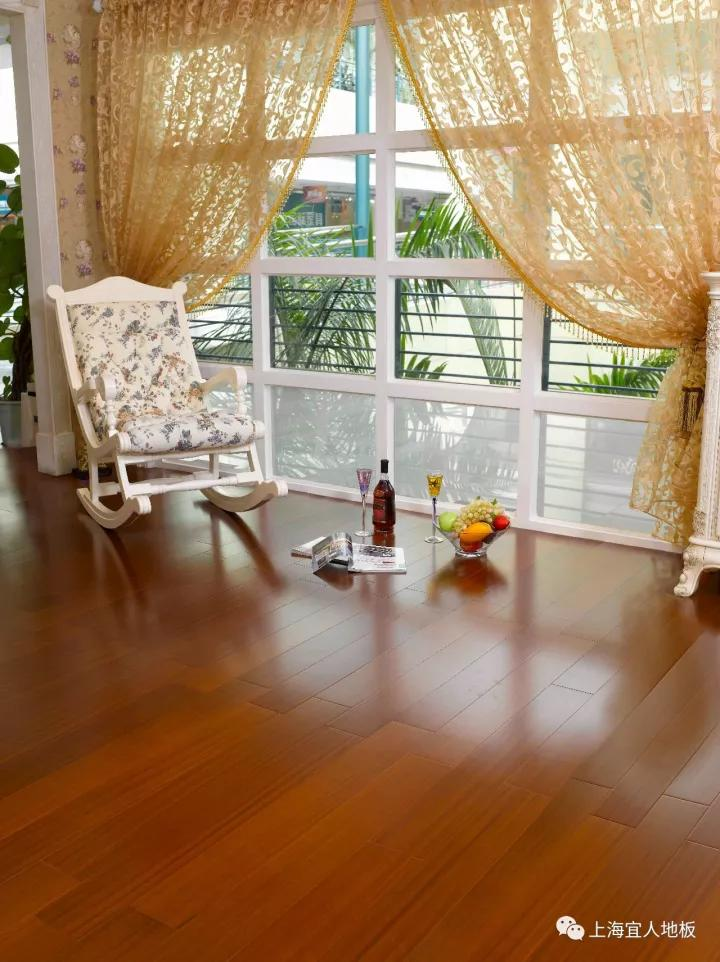
Conservation during rainy season:
Keep an eye on the amount of water when floor cleaning
When cleaning floors, care is taken to control the amount of water used and cleaning is necessary in the daily maintenance of the floors。
In particular, the heavy humidity of the rain, the inappropriate use of water or wet tugs to drag the ground, the avoidance of heavy wetness of floors, the treatment of general stains by soft dry rags, the exposure to stains that must be cleaned with water, and the proposed use of rags that are dryed to no drop。
Cleaned floors with water-contaminated rags can be rinsed again with dry cloths and then dehumidified with air conditioning. Indoor ventilation also needs to be performed in a timely manner, and air moisture at noon is at its highest level and it is not appropriate to open windows, which are generally chosen for drying in the afternoon。

Autumn conservation:
Keep it wet and crack
The floor entered the autumn after the spring damp and summer hot. In the autumn, the air was dry, and wood fibres in wood floors were easily constricted, resulting in wood floors being broken up. Therefore, in the autumn, indoor humidity is maintained and can be rinsed two to three times a week to a water-free wet rag, or a few small humidifiers are used to keep the rooms wet。
Move furniture against deformation
In the autumn, when air moisture is low and wood floors are susceptible to condensation, furniture should be avoided, and it would be preferable to move often to swing positions, both to prevent heavy pressure from causing a lack of smooth stretching of the floor and to avoid a dry and wet imbalance in wood floors due to the lack of ventilation of the furniture。
Regular cleanup
The fall is dry and more dusty, and if it is not removed in a timely manner, the dust will become more difficult to clean when it falls into the middle of the stitches on the floor. In addition to the regular use of brooms or vacuum cleaners for dust removal, special attention should be paid to the frequent position of foot and carpets should be duly placed at the entrance gate。
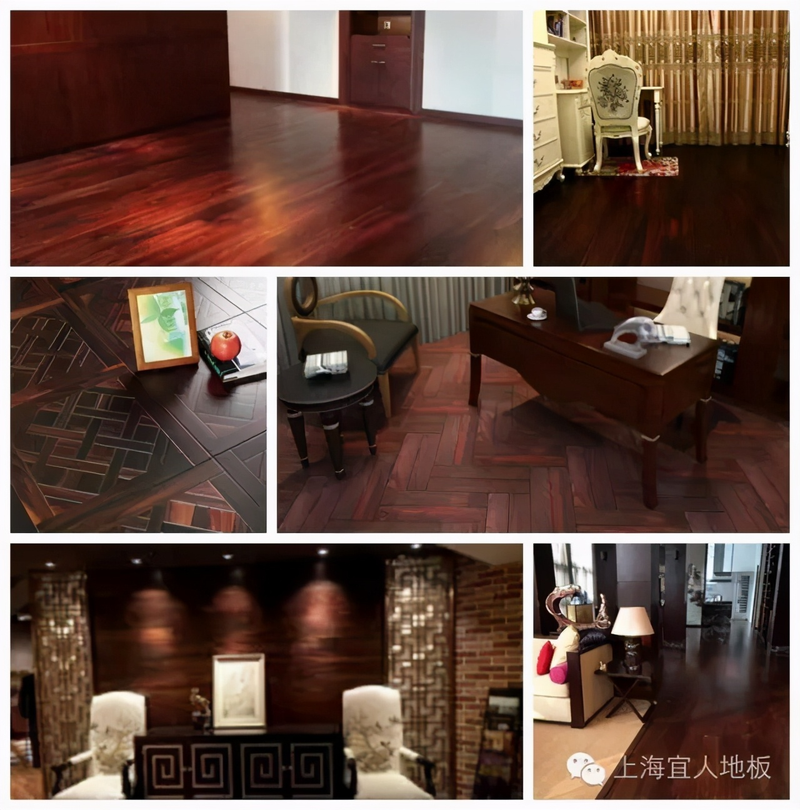
Conservation in the geothermal environment:
1. Once the ground heating floor has been laid, it will normally take 24 hours to feed, otherwise the effects of the use will be affected。
2. The heating season is temporary to check whether the heating system is permeable. In the use of the geothermal system, care should be taken to raise or cool slowly in order to prevent floor cracking; when heating is proposed, the instrument temperature starts at 19 degrees, and is then warming at 1 degree a day until the most comfortable temperature in the human body is maintained, i. E. 22-25 degrees。
3. Keep room humidity at all times to prevent floor contractions in the warmer environment due to the drying of the air。